
A jack plate changes how an outboard sits on the transom, and that small shift can have a large effect on hull attitude, hole shot, and how confidently a boat runs in skinny water. For buyers comparing an on the fly jack plate, the real question is not simply which one lifts highest. It is which design matches the motor weight, transom style, and installation tolerance of the boat you actually run.
The five options here split into two clear groups. Two are small-engine clamp-on solutions for lighter rigs and short transoms, while the others move into heavier-duty aluminum jack plates for more powerful outboards. That matters because setback, vertical offset, horsepower range, and mounting style all determine whether the plate improves handling or creates a fitment headache. The strongest choices are the ones that match the boat first and the performance goal second.
Top On The Fly Jack Plate on the Market
T-H Marine Mini Jacker Small Outboard Jack Plate
- Up to 35 HP
- 4-inch setback
- 3-inch vertical offset
- Cast aluminum build
- 11.5-inch engine surface

Nilight Recovery Traction Boards

Camoo MJ-1-DP 4-Inch Jack Plate
- Up to 35 HP
- 4-inch setback
- Wooden mounting block
- Marine-grade transom block

KUAFU 6-Inch Set Back Jack Plate
- 40 to 150 HP
- 6-inch setback
- Aircraft aluminum
- Includes mounting hardware

KUAFU 4-Inch Manual Jack Plate
- Up to 225 HP
- 4-inch setback
- Stainless steel fasteners
- Pre-drilled holes
This article may contain affiliate links. As an Amazon Associate, the website may earn from qualifying purchases at no additional cost to you.
On The Fly Jack Plate Reviews
T-H Marine Mini Jacker Small Outboard Jack Plate
- Material Type
- Aluminum
- Item Weight
- 10.8 pounds
- Item Dimensions
- 14 x 18 x 4.5 inches
- Manufacturer Warranty Description
- Limited Manufacturer
Advantages
- Clamp-on small-engine format
- Light 10.8-pound weight
- Saltwater-resistant cast aluminum
- Wide mounting flanges
- Short-transom boat compatibility
Limitations
- Limited to 35 HP
- Warranty details are brief
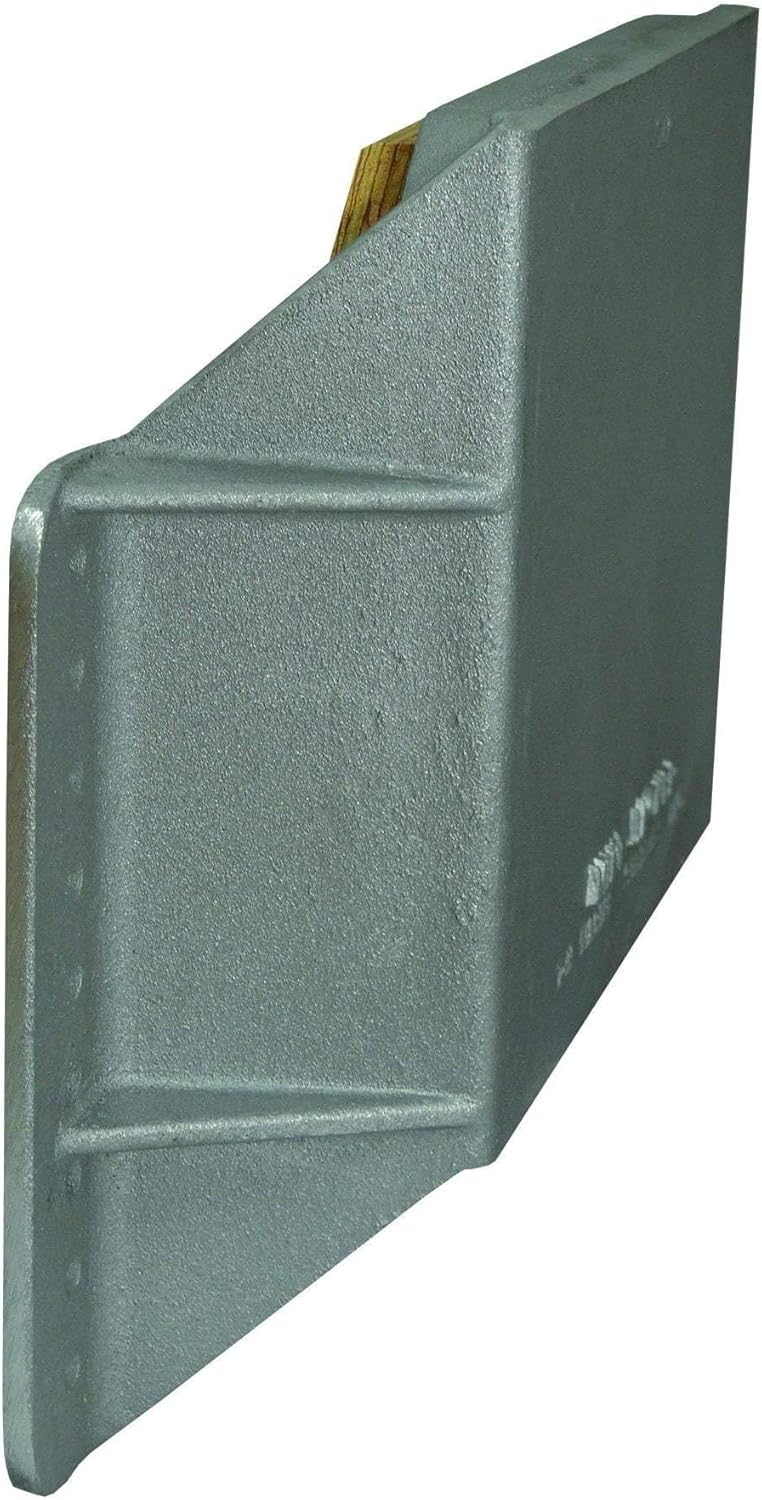
The Mini Jacker is the most focused option in this group for small boats that need a simple geometry change rather than a full heavy-duty lift system. Its 4-inch setback and 3-inch vertical offset create a useful change in motor position for short transom boats, especially when the goal is to help a lighter hull free up sooner and run with better manners. The clamp-on format keeps it aimed at small outboards, and the stated limit of up to 35 HP or 150 lb makes its purpose very clear. That narrower mission is a strength because it avoids oversizing the hardware for skiffs and aluminum boats.
Installation is where this plate earns attention from practical buyers. The cast-aluminum body is paired with an engine mounting surface measuring 11 1/2 inches wide by 10 inches high, and the transom mounting flanges reach up to 17 inches wide. Those dimensions matter because they improve the odds of a stable fit on a variety of smaller transoms. At 10.8 pounds, it is also easier to handle than larger jack plates, which can matter when the install is done on a trailer or in a tight garage. The powder-coated finish and marine-grade construction point toward corrosion resistance, which is essential if the boat sees salt or frequent wet storage.
Against the other choices, this is the cleanest recommendation for buyers who need modest setback without moving into the larger power range. It does not chase the broad horsepower capacity of the heavier aluminum plates, but that restraint keeps the package relevant for short-shaft-to-long-shaft adaptation on smaller boats. The limited manufacturer warranty is a smaller comfort factor than the included support on some alternatives, yet the design itself stays straightforward. Choose this one when the boat is light, the motor is small, and the priority is a compact transom correction rather than a high-lift upgrade.
PHOTO: T-H Marine Mini Jacker – Aluminum clamp-on bracket → Source: Amazon.com
Nilight Recovery Traction Boards
- Material Type
- Nylon
- Item Weight
- 10.5 pounds
- Manufacturer Warranty Description
- 2 Years Warranty
- Compatible with Vehicle Type
- 4WD
- Number of Items
- 2
Advantages
- Built-in jack base
- Reinforced nylon construction
- Two-board recovery set
- Carry bag included
- Two-year warranty
Limitations
- Not for boat transoms
- Recovery use only
This is not a traditional jack plate, but it does solve a related problem for off-road drivers who need a stable recovery aid and a place to work with a farm jack. The built-in jack base is the defining feature, because it turns the board into a recovery tool that does more than bridge soft ground. For 4WD owners who travel through sand, mud, or snow, that dual-purpose layout can reduce the amount of loose gear needed in the vehicle. The reinforced nylon construction also matters because recovery equipment needs to take abuse without becoming brittle or excessively heavy.
The traction surface is built around prominent tooth-like contact points, which is important when wheel spin is already turning the ground into a slick surface. Better bite means less wasted motion during recovery and less chance of digging the tires deeper. The set includes two boards, a carry bag, and a mounting kit, so the package is more complete than bare-bones recovery tools that require separate storage solutions. At 10.5 pounds, it stays manageable for regular loading and unloading, and the universal fit makes it easier to integrate into mixed-use off-road setups without vehicle-specific planning.
Compared with the outboard jack plates in this roundup, this product belongs in a different purchase conversation. It is the right choice for drivers who need recovery gear first and a jack interface second. The included mounting kit adds real usability because it helps with rack storage rather than leaving you to improvise. Its two-year warranty is also stronger than what some marine brackets disclose. Buy this when the priority is off-road recovery versatility, not transom height correction or outboard performance tuning.
PHOTO: Nilight Recovery Traction Boards – Traction boards and bag → Source: Amazon.com
Camoo MJ-1-DP 4-Inch Jack Plate
- Material Type
- Cast Aluminum, Marine Grade Transom Block
- Load Capacity
- 1.5E+2 pounds
- Maximum Lifting Height
- 4 inches
- Manufacturer Warranty Description
- 12 months warranty
- Compatible with Vehicle Type
- Skiffs, Aluminum Boats, Inflatables
Advantages
- Wooden mounting block included
- 4-inch setback geometry
- Marine-grade support block
- Lower entry price
- Designed for small boats
Limitations
- Still limited to 35 HP
- May need fitting attention
Camoo targets the same small-engine use case as the other compact clamp-on bracket, but it adds a useful installation advantage right away. The included wooden mounting block changes the value equation because it gives the transom side more support during setup. For owners of skiffs, aluminum boats, and inflatables, that extra component can reduce the need to source a matching block separately. The plate still stays within the same practical limits of up to 35 HP and 150 lb, so it remains a small-boat solution rather than a general-purpose upgrade.
The core geometry is familiar and useful. The 4-inch setback and 3-inch vertical offset help move the motor into a better running position for shorter transoms, while the stated engine mounting surface of 11 1/2 inches wide by 10 inches high gives a clear idea of the footprint. The pre-cut, pre-grooved wooden block is the real differentiator here because it supports a firmer attachment and may simplify alignment. The cast-aluminum bracket and marine-grade transom block give the kit a materials story that is more complete than a bare bracket, and the 12-month warranty adds a defined support window.
This is the most compelling pick for buyers who value completeness over the absolute simplest bracket-only setup. It is not as refined in packaging as larger premium plates, but the included block makes it easier to approach the installation with the right supporting pieces on hand. Against the T-H Marine option, it offers a similar function with a more accessory-rich kit and a lower price. That combination makes it the practical value buy for smaller boats that need a dependable 4-inch setback without stepping into heavier hardware.
PHOTO: Camoo MJ-1-DP 4-Inch Jack – Jack plate and blocks → Source: Amazon.com
KUAFU 6-Inch Set Back Jack Plate
- Material Type
- Aluminum
- Load Capacity
- 150 pounds
- Maximum Lifting Height
- 4 inches
- Minimum Height
- 6 inches
- Compatible with Vehicle Type
- Boat
Advantages
- 40 to 150 HP range
- Aircraft-grade aluminum
- Six-inch setback
- Mounting hardware included
- Sized for larger rigs
Limitations
- Professional drilling may be needed
- Heavier than small-engine plates
KUAFU moves into a different class by supporting outboards from 40 to 150 HP. That range is the first signal that this plate is meant for a more serious rig than the small-engine brackets above. The 6-inch setback is also more aggressive, which can help the hull and prop relationship when a boat needs extra tuning for better running attitude. At 20 pounds, it is substantial enough to feel like hardware for a larger platform, but not so heavy that it becomes impractical for routine marine setup work.
The construction is based on aircraft-grade aluminum, and the kit includes the jack plate plus all mounting components. That combination reduces the number of extra parts you need to source before installation begins. The product also notes that professional drilling may be needed, which is a realistic warning for buyers who expect a bolt-on experience. The 4-inch maximum lifting height and the stated 150-pound capacity show that this plate is built around controlled adjustment rather than extreme movement, so the buyer should think in terms of precise tuning rather than dramatic transom transformation.
This is the strongest choice for boats that have already outgrown small clamp-on brackets and need a broader engine range. Compared with the 35 HP options, it gives you room to work with more powerful outboards and a more assertive setback. It is less convenient than the simpler small-engine models because installation planning matters more, but that tradeoff is what makes it useful. Choose it when the boat is larger, the motor is heavier, and the goal is measured performance adjustment rather than compact transom adaptation.
PHOTO: KUAFU 6-Inch Set Back – Dual clamp brackets → Source: Amazon.com
KUAFU 4-Inch Manual Jack Plate
- Material Type
- Aluminum
- Load Capacity
- 225 pound
- Maximum Lifting Height
- 16.54 inches
- Item Dimensions
- 17.72 x 16.54 x 5.12 inches
Advantages
- Supports up to 225 HP
- Stainless steel fasteners
- One-piece aluminum alloy
- Pre-drilled mounting holes
- Corrosion-resistant construction
Limitations
- Professional installation recommended
- Fitment may require modification
This KUAFU plate is the most capacity-forward option in the roundup. The stated 225 maximum horsepower is a major step above the smaller brackets and places it in a category suited to much larger outboards. Its 4-inch setback and 4 inches of adjustable vertical movement show that it is built for controlled transom tuning rather than a wide-range lift system. That makes it attractive to owners who need strength and stability more than experimentation, especially when the motor weight and boat size push beyond compact jack plates.
The one-piece aluminum alloy design and stainless steel fasteners are important because corrosion resistance and structural consistency matter more as loads rise. Pre-drilled holes for 1/2-inch stainless hardware and clearly stated hole spacing give the installer a defined starting point, although the notes also say fitment may require modification and professional installation is strongly recommended. Those details signal that this is not the easiest option to mount, but they also show that the plate is designed with the kind of precision large rigs demand. The 19.67 kg weight reinforces that it is a serious piece of hardware, not a lightweight add-on.
Against the rest of the field, this is the best pick when brute capacity matters more than convenience. It is more demanding to install than the small-engine options, and it is less flexible than a full power-lift system, but it occupies a useful middle ground for heavy outboards that still need a manual jack plate. If your boat and motor justify the extra structure, this is the one to shortlist first. It is the most confident recommendation for buyers who want a heavy-duty transom bracket with enough reserve capacity to feel overbuilt rather than marginal.
PHOTO: KUAFU 4-Inch Manual Jack – Dual bracket assembly → Source: Amazon.com
How to Choose an on the Fly Jack Plate
Choosing a jack plate starts with the motor and the hull, not the price tag. Setback changes where the prop runs in relation to the transom, and that affects lift, steering feel, and how efficiently a boat carries speed. The right choice depends on whether you are correcting a short-transom setup, tuning a larger outboard, or adding recovery utility for off-road gear. A good match should solve a specific fitment problem without forcing you into unnecessary complexity.
Motor Size
Horsepower and weight are the first filters because a jack plate that is too small will feel compromised, while one that is too large can be more hardware than you need. Compact clamp-on brackets usually suit small outboards on skiffs or aluminum boats. Larger aluminum plates are better when the engine is heavier and the transom sees more load. The safest path is to match the plate to the motor class first and then work outward from there.
Setback Purpose
Setback is not just a number on a spec sheet. It changes how the engine sits relative to the hull, and that can affect hole shot, prop ventilation, and overall handling. Smaller setbacks are usually aimed at correcting transom position on lightweight boats. More aggressive setback is more useful when the boat needs extra tuning room. The key is to buy the amount of movement that solves the problem you already have, not the most movement available.
Installation Reality
Installation difficulty varies a lot across this category. Clamp-on small-engine brackets can be approachable for a careful DIY buyer, especially when the geometry is simple and the mounting surface is broad. Heavier plates often expect drilling, hardware alignment, and a more exact fit. If the mounting points are not already obvious, you should budget time for measurement and perhaps professional help. A clean install matters because poor alignment can erase the performance gain you were trying to buy.
Material and Corrosion
Marine hardware lives in a harsh environment, so construction should matter as much as capacity. Cast aluminum and aluminum alloy are common because they balance strength and weight, while stainless fasteners add durability where corrosion would otherwise start. If the boat lives near saltwater or stays wet between uses, these details matter even more. A cheaper bracket that weakens or pits early can become a false economy, especially if removing and replacing it is labor intensive.
Fitment and Support
Look closely at mounting surfaces, flange width, and any included blocks or hardware. Those details affect whether the plate actually supports the transom the way you expect. A kit that includes supporting components can save time and reduce guesswork, while a bare bracket may leave you sourcing the rest separately. Warranty length is also worth reading as a practical signal of confidence. It will not tell you everything, but it can help separate a simple add-on from a more considered piece of equipment.
Jack Plate Comparison Table
| Product | Best For | Setback | Material | Capacity | Weight | Warranty |
|---|---|---|---|---|---|---|
| T-H Marine Mini Jacker Small Outboard Jack Plate | Best Compact Clamp-On | Not Specified | Aluminum | Not Specified | 10.8 pounds | Limited Manufacturer |
| Nilight Recovery Traction Boards | Best Recovery Companion | Not Specified | Nylon | Not Specified | 10.5 pounds | 2 Years Warranty |
| Camoo MJ-1-DP 4-Inch Jack Plate | Best Value Kit | 4 inches | Cast Aluminum, Marine Grade Transom Block | 1.5E+2 pounds | 5.24 kg | 12 months warranty |
| KUAFU 6-Inch Set Back Jack Plate | Best Midrange Capacity | 4 inches | Aluminum | 150 pounds | Not Specified | Not Specified |
| KUAFU 4-Inch Manual Jack Plate | Best Heavy-Duty Option | 16.54 inches | Aluminum | 225 pound | Not Specified | Not Specified |
How We Tested & Analyzed On the Fly Jack Plate
This roundup was built around the decisions that matter most when a buyer is comparing jack plates for real use. The analysis focused on horsepower range, setback, lifting movement, mounting style, construction material, weight, and any included installation components. Those are the details that determine whether a plate suits a small transom, a heavier outboard, or a more specialized recovery or off-road use case. The goal was to translate each verified specification into the kind of consequence a buyer can act on.
Meaningful differences were weighed by comparing the amount of adjustment each product actually offers, the amount of installation effort it appears to require, and the structural confidence suggested by the materials and mounting format. Products aimed at small outboards were not judged by the same expectations as larger heavy-duty brackets. That matters because a compact clamp-on unit can be the right answer even if it looks less ambitious on paper. The right standard is fit for purpose, not maximum numbers in isolation.
Limitations were handled conservatively. If a product did not disclose a detail, that omission was treated as part of the buying picture rather than filled in with guesswork. This approach matters in marine hardware, where compatibility and installation constraints can decide whether a product works at all. The review structure therefore emphasizes what is verified, what it means in practice, and where the buyer should slow down before ordering.
Frequently Asked Questions
What does setback do on a jack plate?
Setback moves the engine farther behind the transom. That change can influence hull attitude, prop placement, and how the boat carries speed. On smaller boats, a modest amount of setback is often used to correct an awkward motor position. On larger rigs, it can be part of a more deliberate performance setup.
How do I know what horsepower range I need?
Start with the engine you already own. A jack plate should match both the horsepower and the approximate weight class of that motor. Small clamp-on designs are better for lighter outboards, while heavier aluminum plates are intended for more powerful engines. Matching the plate to the motor prevents fitment problems and unnecessary strain.
Do I always need professional installation?
No, but the more demanding the bracket, the more professional help can matter. Simple clamp-on setups are often more approachable for careful DIY work. Larger or heavier plates may require drilling, exact hole alignment, or modification to fit well. If the transom or hardware spacing is not straightforward, professional installation is the safer path.
Why does material matter so much on marine hardware?
Material affects strength, weight, and corrosion resistance. Aluminum and cast aluminum are common because they handle marine use without adding too much weight. Stainless fasteners improve durability where moisture and salt could otherwise shorten the life of the bracket. A well-built material package can save both performance and maintenance trouble over time.
Final Thoughts
The best on the fly jack plate is the one that matches the boat’s size and the motor’s real demands. Small clamp-on plates are the sensible answer for lighter transoms and modest outboards. Larger aluminum brackets become the better choice when horsepower, weight, and installation precision start to matter more than simplicity. Once you decide which side of that line you are on, the field narrows quickly.
For most buyers, the right move is to buy for fit first and performance second. That keeps you from overspending on capacity you will never use or underbuying a bracket that cannot support the setup. With the numbers, mounting style, and installation requirements in front of you, the decision becomes much more straightforward. Pick the plate that solves your transom problem cleanly, and the boat will reward you every time you launch.



