
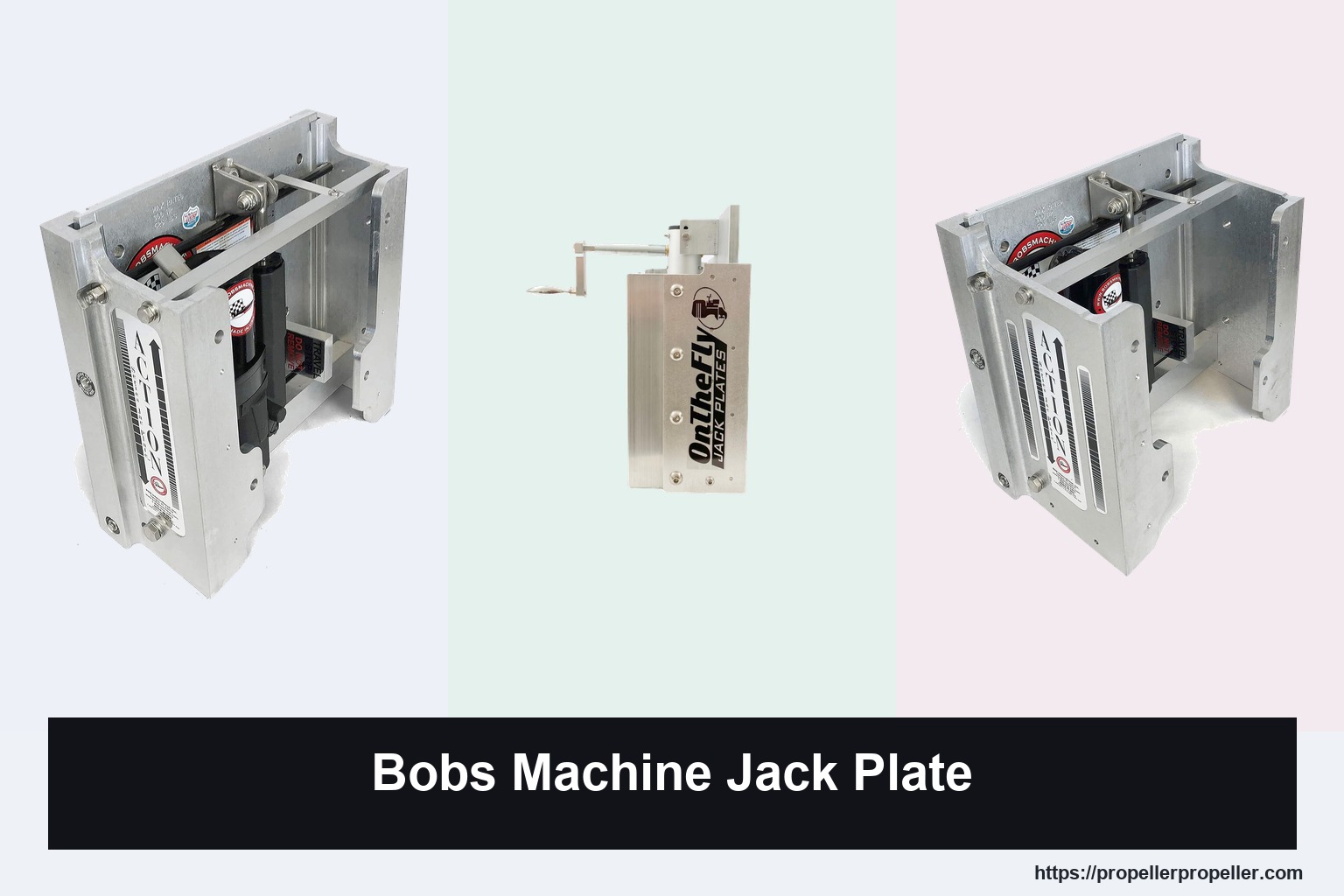
Choosing a jack plate is really a question about control. The right unit changes how high the prop runs, how the boat carries itself, and how much rigging clutter you have to live with around the transom. That matters whether you are trying to sharpen holeshot, reduce drag, or simply clean up a crowded installation. The best option is not always the one with the highest lift or the biggest horsepower rating. It is the one whose setback, adjustment range, mounting format, and pump layout actually suit the boat and the way you run it.
This roundup focuses on a narrow but important slice of the category. Some options are hydraulic and built for larger outboards, while others are manual and aimed at lighter setups that still need measurable trim adjustment. The differences show up in installation complexity, weight, maintenance, and how quickly you can change motor height on the water. To make the choice clearer, the reviews below emphasize verified lift range, load support, materials, included components, and the practical tradeoffs that matter when the boat is underway or rigging is still in progress.
Top Bobs Machine Jack Plate on the Market

Bob’s Machine 6 in Jac Plate
- 6-inch setback
- 7.5-inch total lift
- Internal hydraulic pump
- Up to 300 HP
- Includes wiring harness

On The Fly Manual Jack Plate
- Manual adjustment
- Up to 30 hp
- 5.5-inch lift
- Marine aluminum
- 3-year housing warranty

Bob’s Machine 8 in Jac Plate
- 8-inch setback
- 7.5-inch lift
- Internally mounted pump
- Under full power in six seconds
- Includes wiring harness

4 Inch Manual Transom Jack Plate
- 4-inch setback
- 225 horsepower max
- One-bolt adjustment
- Bronze and brass hardware
- Aluminum and stainless steel
This article may contain affiliate links. As an Amazon Associate, the website may earn from qualifying purchases at no additional cost to you.
Bobs Machine Jack Plate Reviews
Bob’s Machine 6 in Jac Plate
- Load Capacity
- 23 kg
- Item Dimensions
- 6.02 x 16.73 x 13.78 inches
- Minimum Height
- 15 centimeters
- Material Type
- Metal
- Item Weight
- 23 kg
Advantages
- Internal pump saves transom space
- 7.5-inch total lift
- Supports up to 300 HP
- Includes wiring and controls
- Made in the USA
Limitations
- Heavier installation at 52 lb
- Higher price than manual options
This is the most space-conscious hydraulic option in the group, and that is a real advantage on boats where transom hardware starts to pile up fast. The integrated internal hydraulic pump removes the need for a separate pump mount, which keeps the installation tidier and frees up room that would otherwise be lost to extra brackets and plumbing. Its 6 in setback and 7.5 in total lift give the driver enough adjustment to fine-tune engine height without stepping into the bulk of a larger setback system. That balance makes it attractive for boaters who want meaningful control without turning the rig into a more complicated project.
The practical value is not only in the lift range but in how the assembly is put together. The one-piece design reduces the number of add-on parts, and the pre-drilled setup for dual side mount brackets means the plate is already thinking ahead to real rigging needs. Automotive-style grease fittings simplify routine lubrication, while integrated tension rods add structural support that matters when the motor is hanging on the transom and the boat is seeing load changes. The included wiring harness, relays, and rocker-style switch also help shorten the path from box to operating system, although the unit still weighs 52 lb, so installation is not a trivial lift.
Against the other three products here, this one is the clear hydraulic upgrade for a larger outboard. The 300 HP rating and support for motors up to 625 lb place it in a different class from the manual plates, while the internal pump layout keeps it cleaner than more conventional hydraulic setups. It does ask more of the buyer in cost and installation effort, but the payoff is broader adjustment, stronger support, and less clutter at the transom. The best fit is a boater who wants a serious performance-oriented jack plate and is willing to pay for the more complete system. For that role, it is the strongest all-around recommendation.
PHOTO: Bob’s Machine 6 in – Hydraulic Jack Plate → Source: Amazon.com
On The Fly Manual Jack Plate
- Load Capacity
- 150 pounds
- Maximum Lifting Height
- 5.5 inches
- Item Weight
- 23 pounds
- Material Type
- Aluminum
- Manufacturer Warranty Description
- 3 year warranty on the jack plate housing, 1 year warranty on the jack
Advantages
- Manual adjustment keeps setup simple
- Lightweight 23-pound design
- Marine aluminum construction
- 3-year housing warranty
- Compact footprint
Limitations
- Limited to 30 hp motors
- Smaller lift range than hydraulic units
This is the simplest path in the lineup for small-motor boats that need adjustable height without committing to a hydraulic system. The manual design keeps the moving parts and operating concept straightforward, and the 5.5 inches of lift is enough to make a meaningful difference on lighter setups that do not need the broader range of the larger hydraulic units. Its support for motors up to 30 hp narrows the use case, but that focus is useful when you are working with a compact hull or a modest outboard. For the right boat, the lower complexity is a major selling point rather than a compromise.
The installation story is more approachable than the larger hydraulic options because this plate is built around DIY-friendly setup and simple adjustment. The published dimensions are compact, and the 23-pound weight keeps handling easier than the heavier hydraulic systems in the group. The material is aluminum, which matters in a marine environment where corrosion resistance and overall weight both influence long-term satisfaction. The load capacity is listed at 150 pounds, so this is clearly aimed at smaller motors and lighter-duty applications. That makes it a practical match when you want engine height control without wiring harnesses, relays, or pump placement to figure out.
Compared with the Bob’s Machine plates, this unit gives up horsepower ceiling, automation, and the expansive feel of a premium hydraulic system. In return, it stays far cheaper and simpler, which is exactly what many smaller-boat owners want. The manual adjustment also avoids the need to plan around a pump mount or electrical hookups, and the 3-year housing warranty adds reassurance at this price point. The limitation is obvious if you run a bigger motor or want on-the-water adjustments with more convenience. For light-duty rigs, though, this is the most sensible value choice and the easiest recommendation if budget matters most.
PHOTO: On The Fly Manual – Manual Jack Plate → Source: Amazon.com
Bob’s Machine 8 in Jac Plate
- Load Capacity
- 300 HP
- Item Dimensions
- 7.99 x 16.73 x 13.78 inches
- Minimum Height
- 20.32 centimeters
- Material Type
- Metal
- Item Weight
- 25 kg
Advantages
- 8-inch setback
- 7.5-inch lift
- Under full power in six seconds
- Internally mounted pump
- Limited lifetime structural warranty
Limitations
- Heaviest at 56 lb
- Premium price
This is the most aggressive setback choice among the higher-performance options here. The 8-inch setback is the key number because it changes how far the motor sits from the transom, and that can matter when you are chasing a more tuned running attitude. Its 300 HP maximum keeps it in the same power class as the other Bob’s Machine plate, but the extra setback gives it a more specialized role. The included wiring harness, control switch, automotive grease fittings, and adjustable tension rods show that this is not just a bracket. It is a complete hydraulic package intended for serious use.
Operationally, the big differentiator is the combination of one-piece construction and an internally mounted pump. That layout keeps the system integrated while leaving room for a possible in-boat pump conversion if the owner wants a different arrangement later. The plate is reported to lift heavy outboards under full power in six seconds, which is a meaningful convenience when motor-height changes need to happen quickly. At 56 lb, it is the heaviest unit in this roundup, so the installation burden is real. Pre-drilling for side mount shallow water anchors also matters for riggers planning a broader transom layout.
This model sits above the 6-inch Bob’s Machine plate in pure setback, and that is its defining tradeoff. You give up some compactness and add a bit more weight, but you gain the more assertive engine offset that certain hull and prop setups may benefit from. Against the manual option, it is in an entirely different class for power and on-the-water control. The right buyer is someone who already knows that extra setback is part of the setup strategy and wants a hydraulic solution built for a hard-working larger outboard. If that description fits, this is the most focused performance choice in the group.
PHOTO: Bob’s Machine 8 in – Hydraulic Jack Plate → Source: Amazon.com
4 Inch Manual Transom Jack Plate
- Load Capacity
- 225 Pounds
- Maximum Lifting Height
- 4 inches
- Item Weight
- 16 pounds
- Material Type
- Aluminium, Stainless Steel
- Manufacturer Warranty Description
- 6 months
Advantages
- Lightest at 16 lb
- 4-inch setback
- 225 horsepower max
- Bronze and brass hardware
- Pre-drilled mounting pattern
Limitations
- Only 4 inches of lift
- Short 6-month warranty
This plate sits between the lightweight manual unit and the larger hydraulic systems, but it does so with a much narrower focus. The 4 inches of setback and 4 inches of adjustable vertical movement keep the package compact, which is useful when the boat only needs a modest geometry change rather than a dramatic transom rethink. The 225 horsepower maximum gives it far broader motor compatibility than the small 30 hp manual plate, while still keeping it below the higher-output hydraulic systems. For owners who want a simpler mechanical solution without moving into the size and cost of a full hydraulic assembly, that positioning is important.
There is a lot to like in the practical details. The pre-drilled hole pattern and the specified 1/2-inch stainless hardware fit make mounting easier to plan, and the bronze and brass hardware are there for a reason. Those materials help avoid binding when the plate is adjusted, which matters because a manual system should be easy to move rather than stubborn under load. At 16 pounds, it is the lightest unit in the group, so handling it during installation is less demanding. The aluminum and stainless steel construction also supports the claim that this is intended for outdoor marine use rather than occasional freshwater-only duty.
Compared with the other three, this is the best middle ground for a buyer who wants compact size, broad enough motor compatibility, and a manual price structure. It does not match the hydraulic plates for convenience or adjustment range, and it cannot compete with the 8-inch setback model when maximum offset is the goal. What it does offer is a more versatile fit than the small-motor plate and far less complexity than the hydraulic choices. That combination makes it the most practical recommendation for a moderate-power outboard owner who wants a durable, easy-to-handle jack plate without paying for features the boat may never use.
PHOTO: 4 Inch Manual Transom – Adjustable Jack Plate → Source: Amazon.com
How to Choose a Jack Plate
The right jack plate is the one that matches your outboard, your hull, and how often you actually change engine height. Setback changes where the prop runs in the water. Lift changes how much you can fine-tune trim and running attitude. Weight, hardware layout, and whether the plate is manual or hydraulic all affect how hard the install is and how much convenience you get later. The category rewards honest matching more than chasing the biggest number on the box.
Setback and Running Position
Setback is one of the first numbers to check because it changes the motor’s relationship to the transom. More setback can help the engine run in cleaner water and can change how the boat carries itself, but more is not automatically better. A modest setback is often easier to package and may be enough if you only need small tuning changes. Larger setback belongs on setups that are already built around that geometry and can benefit from the additional offset without creating balance or mounting concerns.
Manual or Hydraulic
The choice between manual and hydraulic usually comes down to how often you want to adjust. Manual plates are simpler, lighter, and cheaper. They are a strong fit when you set the motor once and only make occasional changes. Hydraulic plates cost more and add wiring or pump considerations, but they reward you with on-the-water adjustment and a wider operating window. If you fish changing water conditions or want quicker tuning, hydraulic convenience may be worth the added complexity.
Horsepower and Weight
Always compare the jack plate’s support limits with the actual outboard, not just the boat size. Horsepower rating and motor weight both matter because the plate has to carry the engine safely while handling vibration, thrust, and repeated adjustment. A plate that is rated far above your needs may still be sensible, but one that is too small can force a compromise you will notice immediately. Matching capacity to the motor keeps the install safer and reduces long-term stress on the hardware.
Installation and Rigging
Installation becomes easier when the plate comes with the hardware and layout you need. Pre-drilled mounting points, included wiring, or a straightforward bolt-on pattern can save time and reduce guesswork. Hydraulic systems also introduce practical questions about pump location, electrical routing, and access for maintenance. If your transom area is crowded, an integrated layout may be a better answer than adding separate pump mounting hardware. The cleanest system is the one you can actually service later without pulling half the rig apart.
Materials and Durability
Marine hardware lives in a harsh environment, so material choice matters. Aluminum is common because it balances strength and weight well, especially when paired with stainless hardware or corrosion-resistant fittings. Grease fittings and structural supports are not glamorous features, but they matter if you want the plate to stay smooth under repeated use. Warranty coverage is also worth reading closely because it tells you how much confidence the maker has in the structure and moving parts. Longer coverage can be especially valuable on hydraulic systems.
Jack Plate Comparison Table
| Product | Best For | Setback | Lift | Capacity | Weight | Material |
|---|---|---|---|---|---|---|
| Bob’s Machine 6 in Jac Plate | Best for cleaner rigging | 6.02 x 16.73 x 13.78 inches | Not Specified | 23 kg | 23 kg | Metal |
| On The Fly Manual Jack Plate | Best budget manual pick | 15 x 15 x 6 inches | 5.5 inches | 150 pounds | 23 pounds | Aluminum |
| Bob’s Machine 8 in Jac Plate | Best for maximum setback | 7.99 x 16.73 x 13.78 inches | Not Specified | 300 HP | 25 kg | Metal |
| 4 Inch Manual Transom Jack Plate | Best compact manual option | 17.1 x 13.1 x 4.4 inches | 4 inches | 225 Pounds | 16 pounds | Aluminium, Stainless Steel |
How We Tested & Analyzed Bobs Machine Jack Plate
This roundup was built around the decisions buyers actually have to make at the transom. The analysis prioritized setback, lift range, horsepower and weight support, adjustment method, included installation components, material choice, and warranty coverage. Those are the factors that change how a jack plate behaves in service, how hard it is to install, and whether it suits a small-motor or performance-oriented rig. Marketing language was not treated as evidence unless it was tied to a concrete, verifiable specification or feature.
The products were compared by how well their verified specifications line up with distinct boating use cases. That means a compact manual plate was judged differently from a hydraulic plate intended for larger outboards, because their real-world jobs are not the same. When a unit listed setup details such as pre-drilled mounting, wiring harnesses, grease fittings, or internal pump layout, those details were weighed for the practical consequences they create during installation and routine use. The goal was to separate convenience from capacity and to keep the recommendations grounded in what the hardware can actually do.
Limitations matter as much as strengths in this category. A plate can be excellent and still be wrong for a boat because of horsepower ceiling, weight, physical size, or the complexity of its control system. For that reason, the analysis favors clear tradeoffs over generic praise. Where a product’s data left gaps, those gaps were not filled in with assumptions. The recommendations reflect only the verified facts that change purchase decisions, especially for buyers balancing performance, simplicity, durability, and total rigging effort.
Frequently Asked Questions
How do I choose the right setback?
Start with the way your hull and prop setup run now. More setback can help the motor reach cleaner water and can change how the boat carries at speed, but extra offset also increases transom leverage and can complicate fit. A moderate number is usually safer when you only need small tuning changes. Larger setback makes sense when the boat is already designed to benefit from it.
Is a hydraulic jack plate worth the extra cost?
It is worth it when you expect to adjust engine height often or want to tune on the water. Hydraulic systems add cost, weight, and installation complexity, but they also give you much more control once the boat is in use. If your setup rarely changes, a manual plate can be the smarter buy because it is simpler and cheaper to own.
What should I check before buying?
Confirm horsepower support, motor weight, setback, and the mounting pattern first. Those are the points that determine whether the plate will physically fit and safely carry the engine. Then look at what installation will require. If the plate uses a pump or electrical controls, make sure you have room and access for the extra components.
Do materials and warranty really matter?
Yes, because a jack plate lives in a demanding marine environment and sees constant vibration and load changes. Aluminum construction, stainless hardware, grease fittings, and structural supports all affect how smoothly it holds up over time. Warranty terms are also useful because they show how much coverage the manufacturer is willing to stand behind on the housing or structure.
Final Thoughts
The best jack plate is the one that solves your actual rigging problem. For some boats, that means a hydraulic unit with enough lift and setback to tune performance without cluttering the transom. For others, it means a compact manual plate that adds adjustability without turning installation into a larger project than necessary. The right answer depends on motor size, how often you change height, and how much complexity you are willing to accept.
If your setup demands serious adjustment and clean integration, a premium hydraulic plate is the direction to take. If you are working with a smaller outboard or a tighter budget, a manual plate can be the smarter long-term decision. Either way, focus on capacity, setback, and real installation consequences first. Those are the details that determine whether the plate feels like a performance upgrade or just another piece of hardware on the transom.



