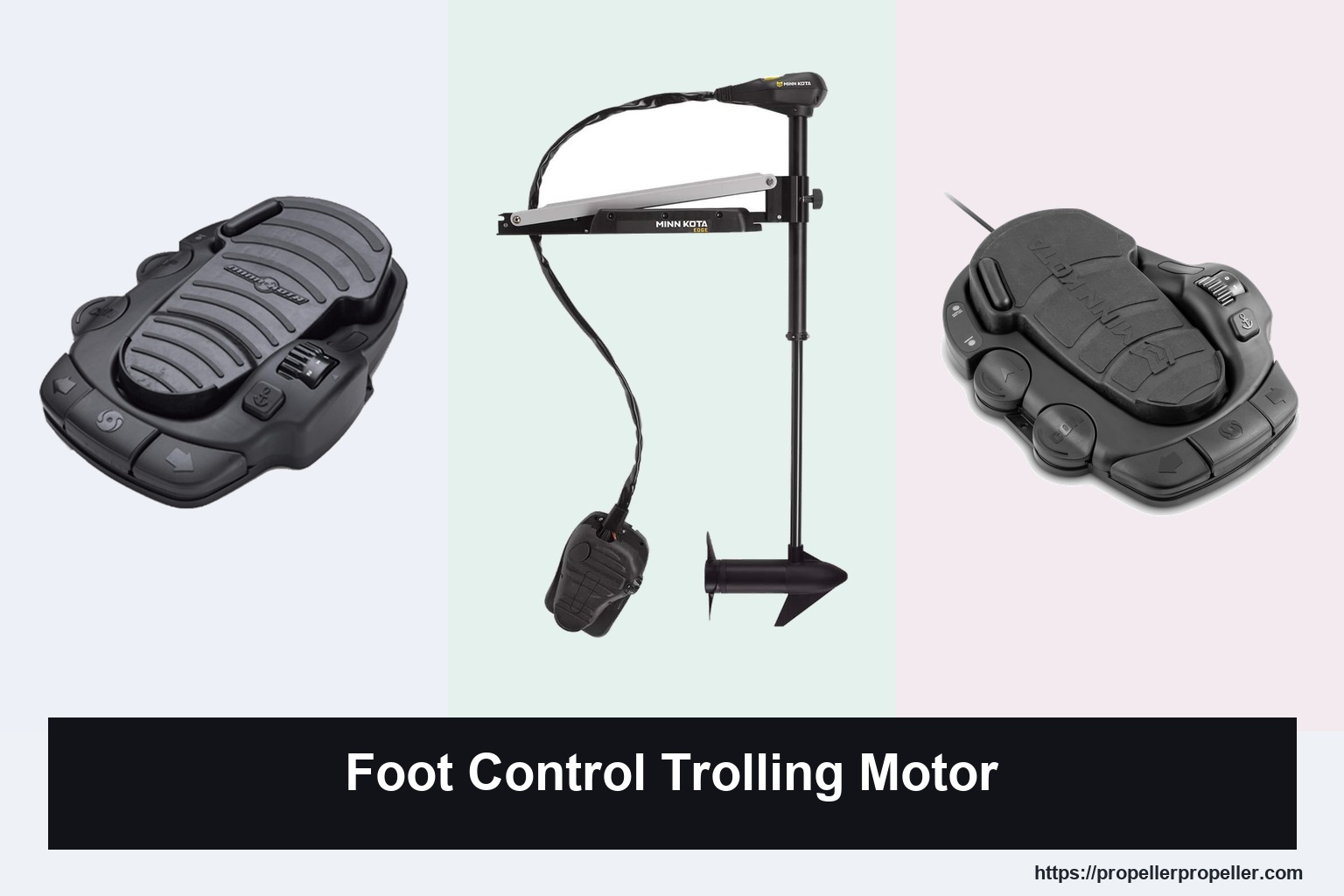
A foot control trolling motor solves a simple but important problem on the water. You want steering, speed changes, and position control without taking your hands off a rod any more than necessary. That matters most when you are holding a line in wind, working tight cover, or trying to keep the boat moving smoothly while you fish. The best options are not just responsive. They also fit the boat, the control system, and the way you actually fish.
This roundup focuses on practical differences that affect daily use. Cable length, pedal layout, compatibility with current motor systems, thrust level, mount style, and control features all change how easy a motor is to live with. Some options are straightforward pedal accessories for existing setups. Others are full bow-mount motors with GPS and deploy features built in. The right choice depends on whether you need a replacement pedal, a basic cable-steer setup, or a more automated system that reduces workload on long days.
Top Foot Control Trolling Motor on the Market

Minn Kota Terrova BT Corded Foot Pedal
- Heel/toe or button steering
- Rotary speed control dial
- 18-foot waterproof cable
- Terrova 2017+ compatibility

Minn Kota Edge Bow-Mount Motor

Minn Kota Terrova Foot Pedal
- Spot-Lock activation
- 18-foot waterproof cable
- 2017+ compatibility
- i-Pilot integration

Minn Kota Terrova GPS Trolling Motor
This article may contain affiliate links. As an Amazon Associate, the website may earn from qualifying purchases at no additional cost to you.
Foot Control Trolling Motor Reviews
Minn Kota Terrova BT Corded Foot Pedal
Advantages
- Dual steering methods
- Compact low-profile design
- Waterproof connector plug
- Works with i-Pilot systems
- Plug-and-play compatibility
Limitations
- Requires compatible Terrova platform
- No thrust or mounting hardware
This is the most focused choice in the group for boaters who already run a compatible Terrova or Riptide Terrova setup and want direct pedal control back at the bow. The low-profile layout keeps the control surface compact, while the heel/toe steering and left/right buttons give you two ways to manage direction. That flexibility matters when your stance changes during a fight or when you prefer a different steering motion for long sessions. The rotary speed control dial and momentary or constant-on toggles round out the core controls without adding complexity you do not need.
The practical advantage is how cleanly it integrates with the motor it was made for. The 18-foot cable gives workable reach for many bow layouts, and the waterproof connector reduces the nuisance of a loose or exposed connection. Compatibility with Terrova and Riptide Terrova motors from 2017 and after is the critical gating factor here. That narrower fit makes it a poor universal pick, but a strong one when you are replacing a specific pedal rather than rebuilding an entire trolling system. It also works alongside CoPilot, i-Pilot, and i-Pilot Link, so it does not force a control-system downgrade.
Compared with the full trolling motors in this roundup, this product is for the buyer who values a simple, dedicated control interface over a complete upgrade. You are not paying for thrust, mounting hardware, or GPS features you may already have. That makes it the most efficient solution for an existing compatible rig. If your setup matches, it is the cleanest way to restore familiar foot control. If your boat needs a motor rather than an accessory, choose one of the bow-mount options instead.
PHOTO: Minn Kota Terrova BT – Corded Foot Pedal → Source: Amazon.com
Minn Kota Edge Bow-Mount Motor
Advantages
- 45 lb. thrust
- 45-inch shaft
- Five speed settings
- Directional indicator built in
- Latch and door bracket
Limitations
- Freshwater use only
- No GPS positioning
This model is the most direct answer for someone who wants a traditional foot-controlled bow-mount motor without stepping into a high-automation system. The 45 lb. Thrust and 45-inch shaft put it squarely in the territory of smaller freshwater boats where manageable control matters more than headline-level electronics. The heel-toe cable-steer pedal includes speed control along with momentary and constant on/off functions, so you get the essentials in a form that is easy to understand and quick to operate.
A few details make a real difference in everyday use. The high-impact composite pedal is a useful durability cue because the foot controller tends to take more abuse than many buyers expect. The latch and door bracket simplify stowing and removal, which matters if you transport the motor after every trip. The built-in directional indicator is a subtle but valuable aid when you are trying to keep track of orientation without looking up constantly. Five speed settings keep control simple and predictable, even if this is not the most granular option in the group.
Against the more advanced Terrova-style choices, this Edge motor trades automation and GPS functions for a straightforward price-to-capability balance. That trade is sensible for anglers who want dependable physical control and do not need Spot-Lock or remote navigation. The Power Prop is also relevant if you fish around vegetation, because it is designed to push through thicker cover more confidently. For freshwater buyers who want a practical bow-mount motor first and an electronics platform second, this is the most grounded pick here.
PHOTO: Minn Kota Edge Bow-Mount – Bow-Mount Trolling Motor → Source: Amazon.com
Minn Kota Terrova Foot Pedal
- Item Weight
- 4.2 pounds
- Color
- Black
- Material Type
- Plastic
- Manufacturer Warranty Description
- 1 year Manufacturer
Advantages
- Spot-Lock activation
- AutoPilot control
- Two steering methods
- Lightweight 4.2 pounds
- Works with i-Pilot Link
Limitations
- Platform-specific compatibility
- Accessory only, not a motor
This foot pedal is aimed at owners who want more control from an existing Terrova or Riptide Terrova system without changing the motor itself. The low-profile body offers heel/toe steering and left/right buttons, which gives you two control styles in one compact accessory. Spot-Lock activation is a major advantage if you rely on precise positioning, because it keeps the most useful navigation function within pedal reach. The AutoPilot toggle and rotary speed control dial extend that usefulness by making the pedal more than a simple steering device.
Setup stays straightforward as long as your motor matches the required platform. The 18-foot cable and waterproof connector help the pedal fit real boat layouts without creating a fragile hookup at the bow. Compatibility with Terrova and Riptide Terrova motors from 2017 and later is the key limitation, but it is also what makes the integration dependable for the right owner. The 4.2-pound weight and plastic construction suggest a lightweight accessory rather than a heavy-duty standalone component, which is fine for a pedal that is meant to stay out of the way until needed.
Relative to the more basic corded pedal in this roundup, this version is the better choice for buyers who want Spot-Lock activation at their feet and a tighter tie-in with advanced control systems. Relative to a full bow-mount motor, it is far more economical because it upgrades control instead of replacing propulsion hardware. That is the deciding factor. If your current setup is already compatible and you want fuller command without overbuying, this is the smartest pedal-centric option in the group.
PHOTO: Minn Kota Terrova Foot – Foot Pedal Control → Source: Amazon.com
Minn Kota Terrova GPS Trolling Motor
- Voltage
- 12 volts
- Mounting Type
- Bow Mount
- Maximum Horsepower
- 1 hp
- Item Weight
- 48.8 pounds
- Manufacturer Warranty Description
- Three-Year Warranty with Registration
Advantages
- 55 lb. thrust
- 54-inch shaft
- Wireless LCD remote
- Spot-Lock and drift modes
- Three-year warranty
Limitations
- Highest price in the group
- Freshwater use only
This is the most capable option in the group for buyers who want the motor itself to do much more of the work. The 55 lb. Thrust and 54-inch shaft give it more reach and authority than the smaller freshwater motor here, while the bow-mount format keeps it positioned for precise front-of-boat control. The advanced GPS trolling system, Spot-Lock, and wireless remote with LCD screen are the features that separate it from a conventional foot-control setup. If your priority is staying on position, recording paths, and managing steering with less effort, this is the strongest platform in the roundup.
The operational benefits go beyond positioning alone. One-touch deploy and stow simplify the transition in and out of the water, and that convenience matters every time you launch or break down. The Weedless Wedge 2 propeller is designed to handle vegetation without constant chopping, which helps preserve battery and keeps the motor working more smoothly in cover. Digital Maximizer technology is another meaningful efficiency feature because variable speed output can stretch run time much farther than a constantly aggressive motor. Those are not abstract conveniences. They reduce fatigue, conserve power, and make long days more manageable.
This motor stands apart from the accessory pedals because it replaces the whole control stack with a much more automated one. That is a major advantage if you fish often enough to value consistency and battery management over upfront simplicity. It is also backed by a three-year warranty with registration, which is useful reassurance for a high-investment purchase. The tradeoff is straightforward: it costs far more than the pedal-only options, and it belongs in a freshwater boat that can justify the extra capability. For serious anglers who want the most complete package here, it is the clear top-tier recommendation.
PHOTO: Minn Kota Terrova GPS – Trolling Motor with Remote → Source: Amazon.com
How to Choose a Foot Control Trolling Motor
The right foot control trolling motor is the one that matches your boat, your fishing style, and the amount of automation you actually want to manage. A pedal can be a simple steering interface for an existing motor, or it can be part of a complete bow-mount package that includes GPS positioning, deploy features, and advanced speed management. That difference changes both price and complexity. It also changes what kind of boat and fishing conditions the motor is best suited for.
Match the Control System
Start by deciding whether you need a replacement pedal or a complete trolling motor. A pedal accessory is the right answer when the existing motor already fits your boat and you just want better or renewed control. A full motor makes more sense when you are changing thrust, shaft length, mounting style, or navigation capability. This single decision usually has the biggest impact on cost and installation effort, so it is the first filter worth applying.
Check Steering Layout
Foot pedals are not all operated the same way. Some give you heel/toe steering, while others add left and right buttons for a different feel underfoot. That matters more than it sounds, because comfort and muscle memory affect how quickly you can correct course while fighting wind or working shoreline cover. A layout that feels awkward will be annoying every time you fish, even if the motor itself is excellent.
Think About Shaft and Thrust
Thrust and shaft length shape where the motor works best. More thrust generally supports better control in wind, current, or heavier boats. Shaft length matters because the prop has to stay deep enough to stay effective without becoming overly exposed. Choose based on boat size, bow height, and typical water conditions rather than chasing the biggest number. Oversizing can add cost and weight without improving the experience if the boat does not need it.
Consider Positioning Features
Features such as Spot-Lock, AutoPilot, drift modes, and remote control change how much active steering you need to do. That can be a major advantage on long fishing days because the motor can help maintain position or track a path while you focus on the bait and presentation. These features are most valuable when you fish in wind or when staying on a precise spot is part of your style. If you mostly want simple directional control, basic pedal operation may be enough.
Review Installation and Stowage
Mounting style and deployment hardware affect how easy the motor is to live with after the purchase. Bow-mount motors often deliver the most control, but they also demand proper stowage space and a suitable deck layout. Pedal accessories are simpler in this regard because they connect to existing gear. If you move the boat often, a secure stow bracket and a manageable cable setup can be worth as much as an extra control feature.
Balance Efficiency and Runtime
Battery use becomes important the longer you stay on the water. Variable speed control and efficiency features can stretch runtime, which reduces the pressure to manage power constantly. That matters if you fish full days, make long runs between spots, or rely on the motor in heavy wind. A system that wastes battery may still feel strong at first, but it can become a liability later in the trip when control matters just as much as speed.
Foot Control Trolling Motors Comparison Table
| Product | Best For | Mount Type | Weight | Warranty | Color | Engine Type |
|---|---|---|---|---|---|---|
| Minn Kota Terrova BT Corded Foot Pedal | Best Replacement Pedal | Not Specified | Not Specified | Not Specified | Not Specified | Not Specified |
| Minn Kota Edge Bow-Mount Motor | Best Basic Bow Mount | Not Specified | Not Specified | Not Specified | Not Specified | Not Specified |
| Minn Kota Terrova Foot Pedal | Best Control Upgrade | Pedal | 4.2 pounds | 1 year Manufacturer | Black | electric motor |
| Minn Kota Terrova GPS Trolling Motor | Best Automated Control | Bow Mount | 48.8 pounds | Three-Year Warranty with Registration | Black | Electric |
How We Tested & Analyzed Foot Control Trolling Motor
The evaluation centered on control style, installation implications, compatibility, and practical boating consequences rather than abstract feature counts. A foot control trolling motor matters because it affects how quickly you can steer, stop, hold position, and conserve attention on the water. For that reason, the analysis favored distinctions that change real use, such as pedal layout, cable length, thrust, shaft length, mount type, and the presence or absence of positioning automation.
Comparisons also accounted for whether a product is a pedal accessory or a complete motor. Those are fundamentally different purchases, even when they sit in the same category. A buyer replacing an existing control should not be pushed toward unnecessary hardware, while a buyer changing boats or upgrading capability should not settle for an accessory that leaves major performance gaps. That distinction shaped the recommendations and the comparison criteria.
Because the available details vary by product, the article avoids overclaiming where evidence is sparse and emphasizes only verified facts that affect choice. Limitations were treated as part of the decision, not as afterthoughts. Compatibility boundaries, freshwater constraints, and higher upfront cost all matter when choosing a trolling setup, so the final guidance focuses on tradeoffs a real buyer would need to weigh before purchase.
Frequently Asked Questions
What is the biggest advantage of foot control steering?
It lets you manage direction and speed without giving up as much hand control. That is useful when you are casting, fighting a fish, or trying to stay aligned in wind. The main benefit is not just convenience. It is the ability to make small course corrections quickly while keeping your attention on the water.
How do I know whether I need a pedal accessory or a full motor?
Choose a pedal accessory when your current trolling motor already fits the boat and you mainly want better control. Choose a full motor when you need a different mounting style, more thrust, a longer shaft, or features like GPS positioning. The key question is whether you are upgrading control or replacing the entire propulsion system.
Why does shaft length matter so much?
Shaft length determines whether the prop stays deep enough to work properly. If it is too short, the motor can ventilate or lose effectiveness in rough water. If it is longer than necessary, it may be harder to manage and store. The right length depends on bow height, hull size, and the water you fish most often.
Are automated positioning features worth it?
They are worth it if you fish in wind, need to hold a precise spot, or want less constant steering input. Spot-Lock and similar functions reduce workload and can help preserve battery by avoiding unnecessary corrections. If you only want straightforward directional control, you may not need that extra complexity or cost.
Final Thoughts
A foot control trolling motor is ultimately about reducing effort while improving precision. The best choice is the one that fits your existing setup, your boat size, and the kind of control you want at the deck. Some buyers only need a replacement pedal that preserves a trusted system. Others will get far more value from a complete bow-mount motor with stronger thrust, better positioning, and easier stow-and-deploy behavior.
The safest way to decide is to separate compatibility from capability. First confirm whether you are shopping for an accessory or a full motor. Then weigh thrust, shaft length, control layout, and automation features against the way you fish. If you do that, the right choice becomes obvious. You will end up with a setup that feels natural to operate, stays reliable across the season, and gives you the level of control your boat actually needs.