Keeping a marine engine clean after use is one of the simplest ways to reduce avoidable wear, especially when salt, sand, or silt can remain in the cooling passages. A boat motor flusher is not a glamorous accessory, but it is one of the few maintenance tools that can directly affect how long an engine stays reliable. The right choice depends on engine type, intake layout, how much water flow you need, and whether you want the fastest possible setup or the broadest compatibility.
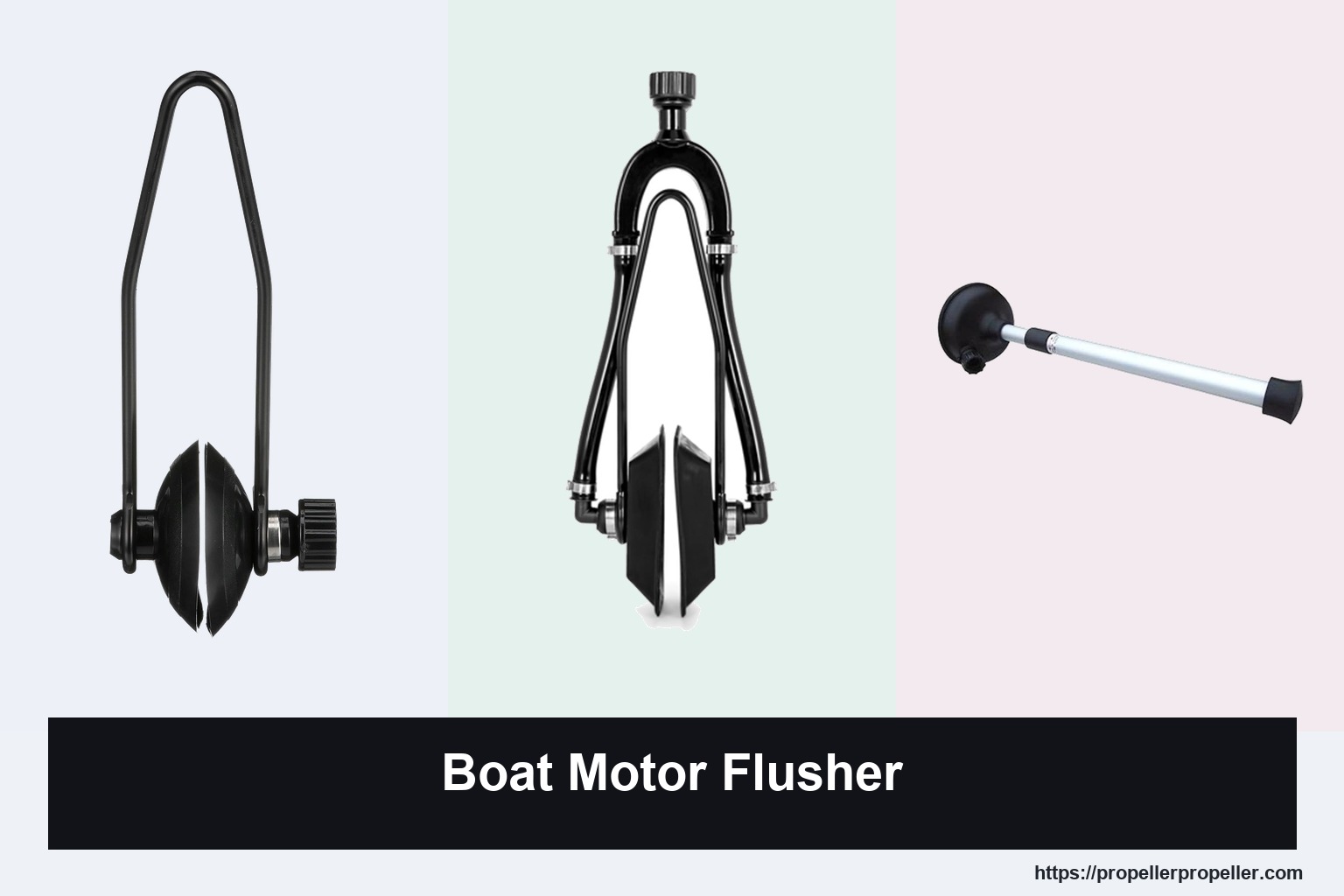
This roundup focuses on three different approaches to the same job. One uses a universal muff-style design for side water inlets, another adds a dual-feed layout for stronger water delivery, and the third is built for inboard engines with through-hull water intakes and a telescoping body. Those differences matter because a flusher has to match the way your engine takes in water before it can do its job well. The best pick is the one that fits your engine cleanly, connects without fuss, and supports the way you actually store and maintain the boat.
Top Boat Motor Flusher on the Market

Seachoice Universal Muff-Style Flusher
- Universal design
- Standard garden hose
- Flexible rubber cups
- Most outboards and I/Os
Camco Dual-Feed Motor Flusher
- Dual input design
- Standard garden hose
- Most outboards and sterndrives
- Winterization use

Fake a Lake Inboard Flusher
- Adjustable 18 to 30 inches
- Telescoping design
- No tools required
- Gas or diesel inboards
This article may contain affiliate links. As an Amazon Associate, the website may earn from qualifying purchases at no additional cost to you.
Boat Motor Flusher Reviews
Seachoice Universal Muff-Style Flusher
- Item Dimensions LxWxH
- 5.25 x 3.25 x 13.5 inches
- Item Weight
- 4.8 ounces
- Material
- Universal Proflo Motor Flusher
- Color
- Black
- Warranty Description
- http://www.seachoice.com/warranty-information
Advantages
- Lowest price in this group
- Universal side-inlet compatibility
- Connects to standard hose
- Very light at 4.8 ounces
- Flexible rubber cups
Limitations
- Not for through-hull inboard intakes
- No dual-feed design
The Seachoice Universal Boat Motor Flusher, Muff Style is the most straightforward option for owners who want a simple, low-cost way to rinse an engine after every outing. Its universal design and compatibility with most outboards and I/Os with side water inlets make it broadly useful, and the flexible rubber cups help it seat against the intake area without demanding a more complicated setup. For routine salt, silt, and sand flushing, that combination is enough to keep maintenance easy and predictable. The appeal is not sophistication. It is the ability to get the engine flushed without turning the job into a project.
The physical format reinforces that low-friction approach. At 4.8 ounces, it is light enough to keep on board or in a garage kit without taking up much space, and the 5.25 x 3.25 x 13.5 inch dimensions suggest a compact tool that should not crowd other maintenance gear. It connects to a standard garden hose, which avoids special plumbing or adapters for most users. The tradeoff is that this is a simple muff-style tool, so correct placement against the side water inlets still matters. If the cups are not seated well, water delivery and sealing can suffer, so the engine layout has to match the tool’s intended style.
Against the more specialized options in this roundup, the Seachoice is the easy everyday choice rather than the most aggressive performer. It does not advertise dual-feed delivery or an adjustable telescoping body, but it does cover the broadest, most ordinary flushing use case at the lowest price here. That makes it the strongest value for casual boaters, owners of multiple compatible engines, or anyone who wants a spare flusher ready for quick maintenance. Choose it when your priority is practicality and compatibility, not maximum flow or specialty fit.
PHOTO: Seachoice Universal Muff-Style Flusher – Muff Flusher → Source: Amazon.com
Camco Dual-Feed Motor Flusher
- Product Dimensions
- 15 x 6 x 6 inches
- Item Weight
- 1.3 pounds
- Special Features
- Adjustable
- Model
- 50141
Advantages
- Dual input water delivery
- Standard hose connection
- Fits most outboards and sterndrives
- Adjustable setup
- Useful for winterization
Limitations
- Bulkier than simpler muffs
- Not for through-hull inboards
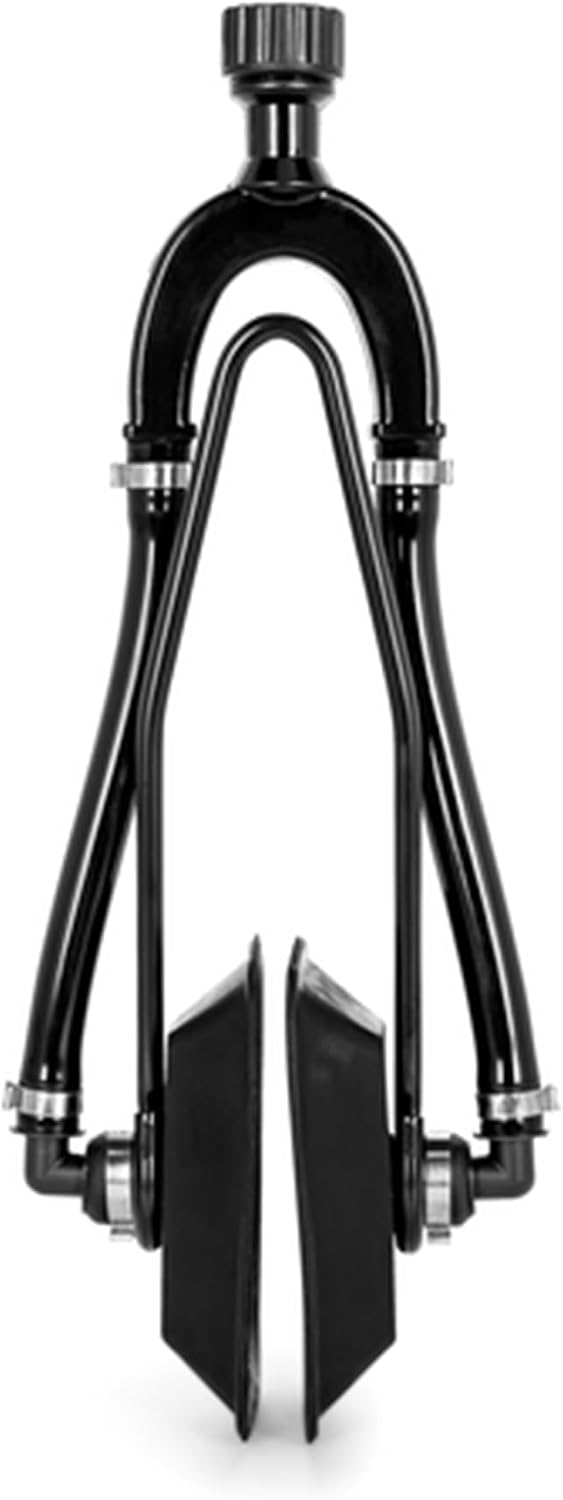
The Camco Boat Dual Water Feed Motor Flusher is the strongest option here for buyers who want a more assertive rinse cycle. Its dual input design is the defining feature, and that extra water delivery can matter when you are trying to move contaminants out of a cooling system with less waiting around. It still connects to a standard garden hose, so the upgrade is not about adding complexity. It is about giving the flush more volume and better coverage. For owners who use the boat often or store it through seasonal transitions, that is a meaningful advantage.
This model is also built around broad compatibility. It is designed to work with most outboards and sterndrives, so it covers a large share of common recreational rigs. The adjustable special feature adds some setup flexibility, which can be useful when you want a better seat against the engine. The flip side is that it is a larger, heavier tool than the Seachoice at 1.3 pounds and 15 x 6 x 6 inches, so it is less compact in a toolbox or storage compartment. That extra size is part of the flow-oriented design, but it does mean you should expect a little more bulk during handling and storage.
Among the three flushers, this is the best match for buyers who want a balance of compatibility and stronger water delivery without moving into a specialty inboard-only tool. It does not solve the through-hull problem that the telescoping inboard unit addresses, but it is more purpose-built than a basic muff design when cleaning thoroughness is the priority. If your boat has the right engine type and you want the most capable all-around flush in this group, this is the one to favor. It earns its place by focusing on water flow first and keeping the hookup process familiar.
PHOTO: Camco Dual-Feed Motor Flusher – Dual-Feed Flusher → Source: Amazon.com
Fake a Lake Inboard Flusher
Advantages
- Adjustable 18 to 30 inches
- No tools required
- Large cup resists blow-by
- For gas or diesel inboards
- Installs in minutes
Limitations
- Not a universal outboard flusher
- No specification sheet provided
The Inboard Engine Motor Flusher Fake a Lake Ski Boat Mastercraft Malibu Nautique is the clear specialist in this set. Its reason for existing is right in the feature list: it is for gas or diesel inboard engines with thru-hull water intakes. That matters because the other two products are centered on side-inlet outboard and sterndrive use. If your boat falls into the inboard category, this is the most relevant design here. The large cup is also an important practical detail because it is intended to reduce water blow-by or fall off during use, which is exactly the kind of issue that can make flushing frustrating if the fit is poor.
Setup is where this model separates itself further. It adjusts from 18 inches to 30 inches with a twist, and the telescoping body installs in minutes with no tools required. That combination makes it easier to adapt to different engine layouts without carrying extra hardware, and it is especially valuable when you want a quick flush before storage or between outings. The limitation is also obvious. The design is specialized, so it is not the best choice for owners who need universal coverage across side-inlet engines. It is built to solve one intake geometry well rather than serve as an all-purpose garage flusher.
Compared with the Seachoice and Camco models, this is the most targeted option and the one that can save the most frustration if you have the right engine type. It does not compete on universal compatibility, and it is not trying to win on dual-feed water delivery. Instead, it concentrates on fit, stability, and quick adjustment for inboard use. That makes it the best recommendation for ski and wake boat owners whose engines are explicitly through-hull intakes. If that is your setup, this is the one to buy first because fit is the deciding factor.
PHOTO: Fake a Lake Inboard – Telescoping Pole Flusher → Source: Amazon.com
How to Choose a Boat Motor Flusher
Choosing a motor flusher starts with the engine, not the accessory. The most important question is whether your boat uses side water inlets, a sterndrive layout, or a through-hull inboard intake. Once that is clear, the rest of the decision becomes easier. You can then look at hose connection, seating stability, water delivery, and how often you expect to flush the engine after use or before storage.
Engine Intake Type
The correct intake match is the first filter because a flusher that fits poorly is a maintenance tool that cannot do its job. Side-inlet outboards and sterndrives usually call for muff-style or dual-feed designs, while inboard engines with through-hull intakes need a different geometry altogether. That distinction is more important than brand or price. If the water path does not align with the engine’s intake, flushing becomes unreliable and can leave the cooling system under-served.
Water Delivery
Flow matters because the goal is not just to spray water at the engine. You want enough coverage to move salt, sand, and silt through the cooling passages consistently. A dual-feed layout can be a good sign when you want a more thorough rinse, while a simpler single-feed muff may be perfectly adequate for routine freshwater or light-duty maintenance. More flow is not always better if the fit is weak, so treat delivery and sealing as a pair rather than separate features.
Fit and Stability
A secure seal prevents water blow-by and reduces the chance that the tool shifts during flushing. That is especially useful on engines with awkward intake placement or in situations where you are working alone. Flexible cups, larger contact surfaces, and adjustable bodies all help here, but they solve the problem in different ways. When you compare options, think about whether the tool seems likely to stay centered on the intake without constant hand pressure.
Hose Connection
Most buyers should favor a flusher that connects to a standard garden hose because it keeps the process simple and avoids special fittings. That matters when you want to rinse the engine immediately after towing, docking, or returning to storage. A familiar connection also makes replacement hoses and spare parts easier to manage. If a model requires unusual hookups, it may still be worthwhile, but only when the engine type or flushing performance clearly justifies the extra hassle.
Size and Storage
Size may sound secondary, but it affects how often the tool gets used. A compact, light flusher is easier to keep in the boat, in the truck, or in a maintenance bin, which can make regular flushing more likely. Larger or more specialized units may deliver a better fit or stronger flow, but they also demand more storage space and a bit more handling. The right choice is the one you will actually keep accessible when maintenance time comes.
Boat Motor Flusher Comparison Table
| Product | Best For | Weight |
|---|---|---|
| Seachoice Universal Muff-Style Flusher | Best Budget Choice | 4.8 ounces |
| Camco Dual-Feed Motor Flusher | Best Flow Upgrade | 1.3 pounds |
| Fake a Lake Inboard Flusher | Best Inboard Fit | Not Specified |
How We Tested & Analyzed Boat Motor Flusher
This roundup focused on category-level fit, engine compatibility, water-delivery approach, setup simplicity, and storage practicality. Those are the factors that most strongly influence whether a motor flusher solves a real maintenance problem or becomes a tool that is awkward to use. I compared the verified construction and format of each product against the engine layouts they are meant to serve, because a flusher’s usefulness depends heavily on matching the intake type and seat quality.
I also weighed the consequences of differences that matter in everyday use. Hose connection, cup design, adjustability, physical size, and weight all affect how quickly a user can set up the tool, how securely it stays in place, and how convenient it is to store between uses. Where a product clearly emphasized a broader or narrower use case, that affected the recommendation. The goal was not to rank by feature count alone, but to judge which design choices best support regular maintenance.
A final pass looked at tradeoffs rather than just strengths. Universal coverage can be more convenient, but specialization can be the better answer when the engine layout is specific. Higher-flow designs can be attractive, but only if the fit still remains secure. Compact tools are easier to keep around, while larger tools may justify their size with improved stability or water delivery. Those tensions shaped the comparisons and the final guidance.
Frequently Asked Questions
How often should a boat engine be flushed?
The safest habit is to flush after every use when the boat has been in salt water, sandy water, or silty water. Regular flushing helps remove residue before it dries or settles in the cooling system. Even if you mostly boat in cleaner water, a rinse after use can still reduce buildup and support long-term maintenance.
Can one flusher fit every boat?
No single design fits every engine layout well. Side-inlet outboards and sterndrives use one style, while inboard engines with through-hull intakes need a different approach. A universal tool can cover a wide range, but fit still depends on the intake position and the way the cups or contact surfaces seat against the engine.
What matters more, flow or fit?
Fit comes first. Strong water delivery is useful only if the flusher seals correctly and stays in place during use. A high-flow design with poor seating can waste water and leave the engine under-flushed. Once the tool matches the intake type, then better water delivery becomes a real advantage rather than just a spec.
Is winterization the same as flushing?
They are related but not identical. Flushing removes contaminants from the cooling system. Winterization is a broader off-season preparation process that can include flushing as one step. If you store the boat for cold weather, a reliable flusher helps with the cleaning part of that process before the engine sits unused.
Final Thoughts
The best boat motor flusher is the one that matches your intake type cleanly and makes maintenance easy enough that you will actually do it. A universal muff-style model can be the right answer for everyday side-inlet engines. A dual-feed design is worth considering when you want more aggressive water delivery. A specialized inboard tool is the clear choice when the engine layout demands it. Those differences matter more than marketing language because fit and flow are what determine whether flushing is effective.
For most buyers, the decision comes down to how specific the engine is and how much convenience you want in regular maintenance. If you want a simple, low-cost tool that covers common engines, choose the universal style. If your priority is stronger flushing performance, move toward the dual-feed design. If you run a ski or wake boat with an inboard engine, buy the purpose-built inboard flusher and skip the compromise. Matching the tool to the intake is the surest way to protect the engine and keep upkeep simple.