
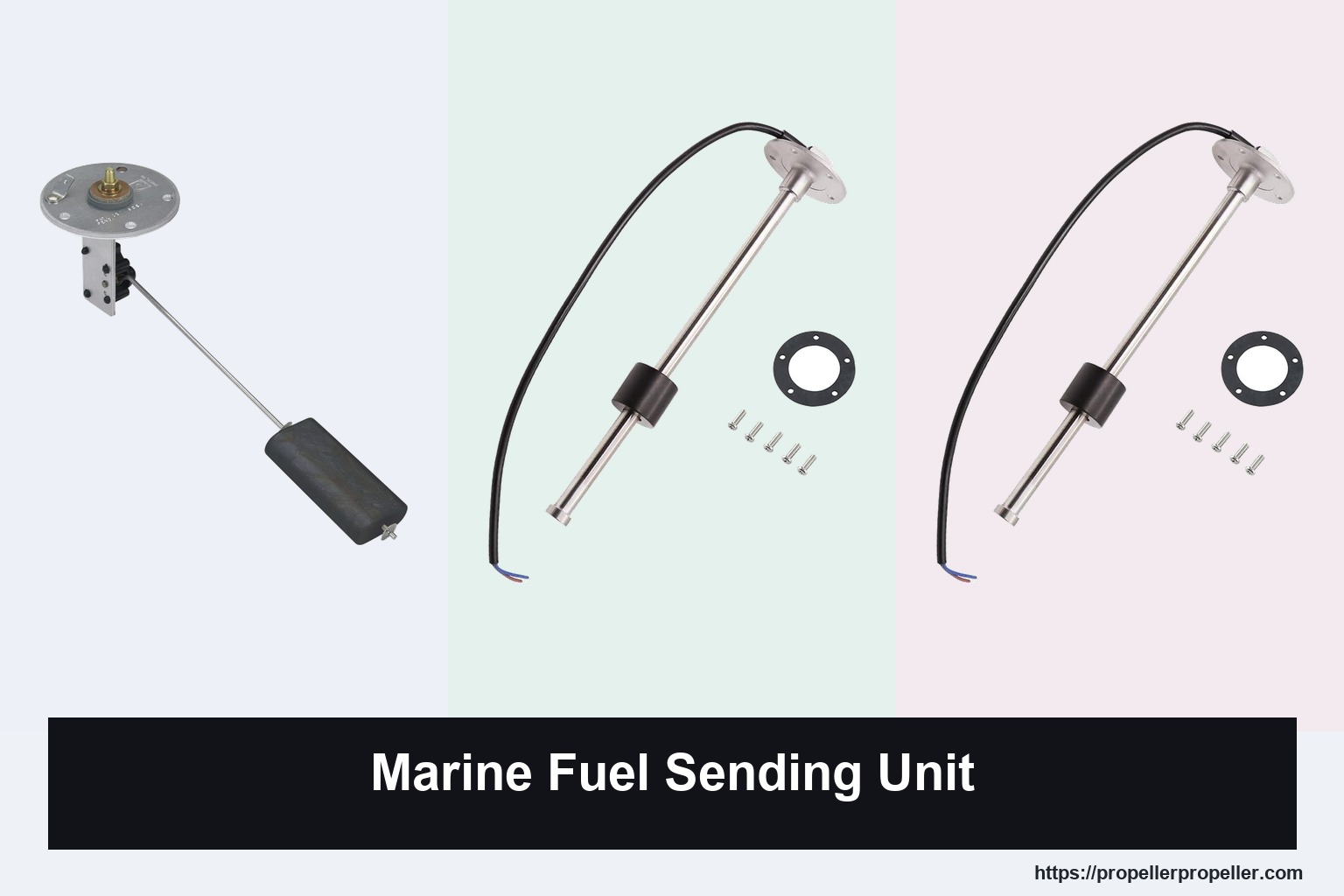
A marine fuel sending unit has one job, but that job affects nearly every hour on the water. When the sender matches the gauge, tank depth, and fuel type correctly, you get a reading you can trust instead of a dial that wanders or lies near empty. That matters on long runs, during planning at the dock, and any time you are trying to avoid guessing how much reserve is left.
The best replacements are rarely the ones with the longest feature list. They are the units that match your gauge resistance, fit your tank depth, survive moisture and vibration, and install cleanly with the hardware you already have. In this guide, the emphasis is on those practical details. Some picks are simple senders for straightforward swaps, while others add paired gauges or broader vehicle compatibility for buyers rebuilding more of the fuel-reading system.
Top Marine Fuel Sending Unit on the Market
Moeller Fuel Tank Sending Unit
- 4 to 28 inch tanks
- 33-240 ohms calibration
- Rust-free internal components
- Includes gasket and screws

100TECH 11-Inch Marine Sender
- 11-inch sender length
- 240-33 ohm output
- 316 stainless steel
- 2-year warranty
100TECH 8-Inch Marine Sender
- 8-inch sender length
- 240-33 ohm output
- 316 stainless steel
- Reed-switch design

Seachoice Fuel Sending Kit
- 6 to 12 inch tanks
- Gas or diesel use
- 35 to 240 ohms
- Includes mounting hardware

ARTILAURA Sender and Gauge Kit
- 240-33 ohm sender
- 12-inch 300mm length
- Includes matching gauge
- 7-color backlight

EMIHO 10-Inch Fuel Sender
- 10-inch 250mm length
- 240-33 ohm output
- 316 stainless steel
- SAE 5-hole pattern
This article may contain affiliate links. As an Amazon Associate, the website may earn from qualifying purchases at no additional cost to you.
Marine Fuel Sending Unit Reviews
Moeller Fuel Tank Sending Unit
- Compatible with Vehicle Type
- Boat” or “Marine Vessel
- Fuel Type
- Gasoline
- Fit Type
- Vehicle Specific
- Item Weight
- 3.2 ounces
- Item Dimensions
- 16.25 x 12 x 5.75 inches
Advantages
- Wide 4 to 28 inch range
- Common 33-240 ohm calibration
- Includes gasket and screws
- Corrosion-resistant internal components
- Lightweight 3.2-ounce unit
Limitations
- Sender only, no gauge included
- Plastic body may not suit all buyers
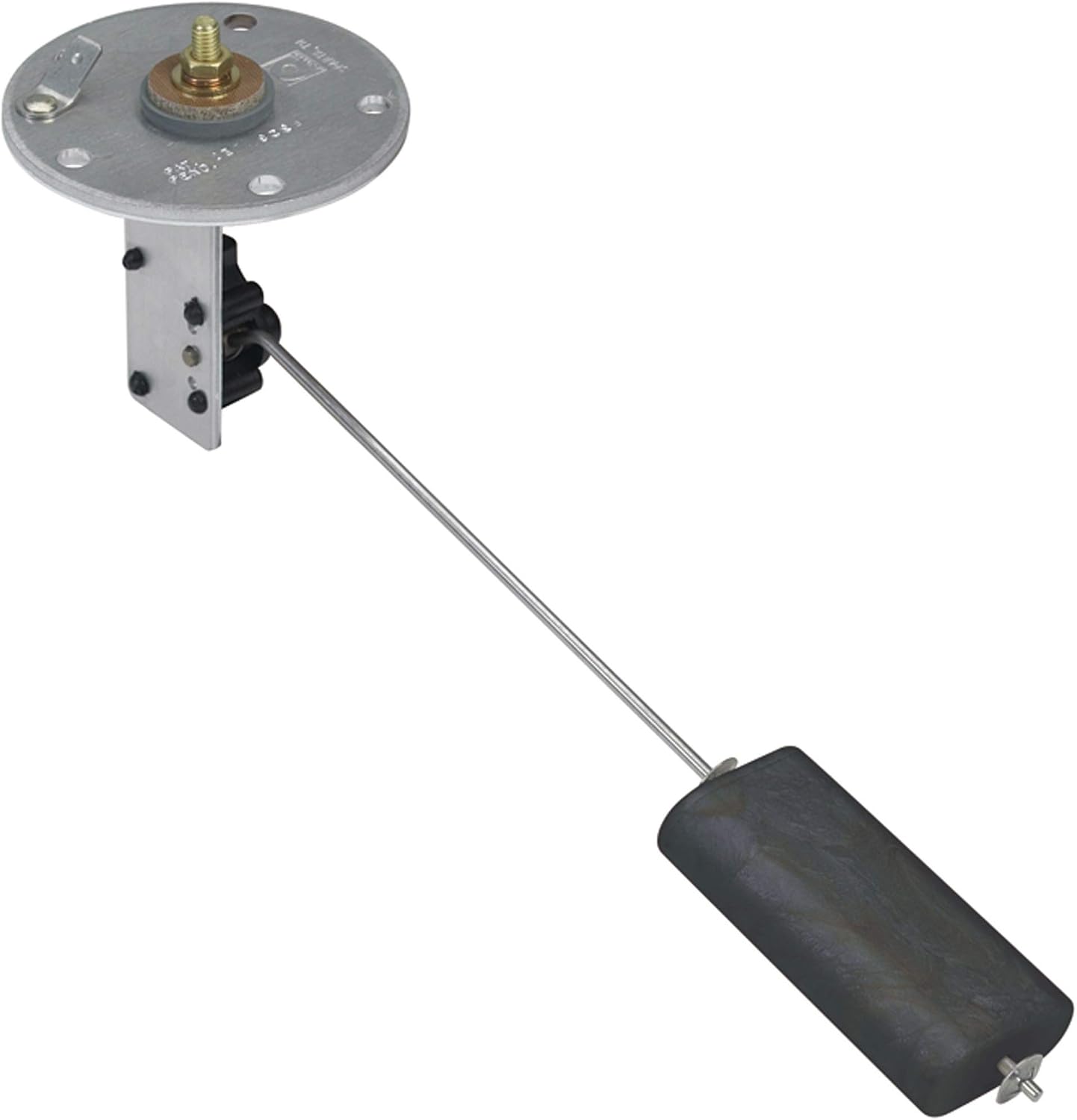
Moeller’s sender is the most straightforward option here for buyers replacing a marine fuel level unit without changing the rest of the gauge setup. The 33-240 ohms calibration keeps it aligned with a common dash gauge range, which matters because the wrong resistance can make an otherwise healthy gauge read inaccurately. The stated fit for 4 to 28 Inch Tanks also covers a wide span of marine tanks, so this is a practical choice when you want one replacement path rather than a heavily specialized part.
Installation is kept clean by the included five-hole gasket and screws, and the unit’s light 3.2-ounce weight means there is little bulk to manage while positioning it at the tank opening. Its internal components are described as resistant to rust and corrosion, which is exactly the kind of detail that matters in a wet compartment where ordinary metal parts can age quickly. The plastic construction is a reminder that this is a utility sender, not a premium assembled system, so the appeal is in fit and reliability rather than extras.
Compared with the more elaborate kits in this group, Moeller is the least complicated route to restoring a tank reading. It does not bundle a gauge, and it does not try to cover broad automotive use cases. That narrow focus is a strength for buyers who already know the gauge they are matching and want the cleanest possible replacement. If your priority is a dependable marine sender with minimal fuss, this is the one to start with and the one to favor over feature-heavy bundles.
PHOTO: Moeller Fuel Tank Sending – Round sender assembly → Source: Amazon.com
100TECH 11-Inch Marine Sender
- Measuring Range
- 240 – 33 ohms
- Material Type
- Stainless Steel
- Warranty Description
- 2 Years Warranty
Advantages
- 316 stainless steel build
- Reed-switch sensing design
- Included gasket and screws
- Illustrated installation instructions
- Two-year warranty
Limitations
- Fixed 11-inch length
- Gauge must match 240-33 ohms
This 100TECH sender is built for buyers who want a corrosion-resistant replacement and are already working within the 240-33 ohm standard. The 240-33 ohm output is the key compatibility point because it determines whether your gauge can interpret the tank signal correctly. The 316 stainless steel construction pushes the focus toward long-term durability, and that is especially relevant in marine environments where moisture and fuel exposure are part of normal service life.
The reed-switch design is a useful technical distinction because it removes the moving parts found in arm-style senders. That should translate to fewer mechanical wear points over time, and the product also states that no adjustment is needed for the tank. Its 11-inch length gives it a defined application window, so the buyer should measure carefully before ordering. The package includes a gasket, mounting screws, and illustrated instructions, which lowers the odds of a stalled install if you are replacing a sender in place.
Against the simpler Moeller unit, this 100TECH model leans harder into construction quality and installation support. It is not as broad in tank-length coverage as the first pick, but it offers a stronger case for buyers who care about stainless hardware and a more wear-resistant sensing method. If your tank depth lines up and you want a sender that feels built for harsher conditions, this is the better premium-leaning choice. It earns the recommendation for durability-first shoppers who still want a direct replacement format.
PHOTO: 100TECH 11-Inch Marine Sender – Sender kit with gasket → Source: Amazon.com
100TECH 8-Inch Marine Sender
- Material Type
- Stainless Steel
- Warranty Description
- 2 Years Warranty
- International Protection Rating
- IP67
- Compatible with Vehicle Type
- Boat
Advantages
- Short 8-inch length
- 316 stainless steel
- Reed-switch durability
- Included installation hardware
- Common 240-33 ohm standard
Limitations
- Not for deeper tanks
- Requires careful depth measurement
This 8-inch 100TECH sender is the more compact sibling in the same family, so it suits tanks that need a shorter insertion depth while still using the common marine resistance standard. The 240-33 ohm output is again the central compatibility point, and the 8-inch length matters because a shorter sender can be the difference between a clean fit and a unit that bottoms out in a shallow tank. Buyers replacing an aging arm-style sender may also appreciate the reed-switch approach, since it avoids the usual moving arm mechanism.
The stainless-steel construction and the no-moving-parts design both point to reduced mechanical wear, which is useful in a boat where vibration and moisture can punish lighter hardware. The package includes a gasket, mounting screws, and clearly written instructions, so the install is not framed as a custom project. The brand’s note about measuring tank depth and leaving clearance is especially important here, because a compact sender only works when the chosen length leaves room at the bottom of the tank.
Compared with the 11-inch 100TECH version, this model is the safer buy for shallower tanks and tighter internal clearances. It gives up some length but keeps the same resistance standard and the same basic ruggedness story. That makes it the better match when fit is the main concern and you do not want an oversized sender forcing a compromise. Choose this one when you need a shorter marine sender and still want the stainless, reed-switch format rather than a basic arm unit.
PHOTO: 100TECH 8-Inch Marine Sender – Sender kit with gasket → Source: Amazon.com
Seachoice Fuel Sending Kit
- Style
- 6-inch to 12-inch
- Item Weight
- 4 ounces
- Package Weight
- 0.19 kg
- Warranty Description
- http://www.seachoice.com/warranty-information
Advantages
- Fits 6 to 12 inch tanks
- Supports gas or diesel
- Wide 35 to 240 ohm range
- Includes screws and gasket
- Light 4-ounce unit
Limitations
- Limited depth range
- No stainless-steel claim
Seachoice is the most clearly depth-limited option in this group, and that is exactly why it stands out for certain boats. The stated 6 to 12 inches tank depth range narrows the search in a useful way, because shallow tanks are where many generic senders become awkward or inaccurate. The wide 35 to 240 ohms gauge compatibility also makes this kit easier to match to existing marine instrumentation, especially when you are not starting from scratch.
The kit is positioned for gas or diesel, which expands its usefulness beyond a single fuel type and makes it more adaptable across small marine applications. It includes mounting screws and a gasket, so the core installation pieces are already in the box. At four ounces, it is also light enough that the hardware load is not a concern. The tradeoff is that the fit range is much narrower than the broad-coverage choices, so tank depth must be checked before you commit.
Compared with the stainless reed-switch senders above, Seachoice is less about materials hype and more about straightforward compatibility with shallower tanks. That makes it appealing if your tank depth falls squarely in range and you want a practical replacement rather than a long-body sender. It is not the best general-purpose pick, but it can be the most sensible one when the tank is shallow and the gauge standard is already known. For those conditions, it is the one to buy with confidence.
PHOTO: Seachoice Fuel Sending Kit – Sender kit with gasket → Source: Amazon.com
ARTILAURA Sender and Gauge Kit
- Material Type
- Glass, Plastic, Rubber, Stainless Steel
- Item Dimensions
- 12 x 0.71 x 0.71 inches
- Part Number
- AR-A5-300-240+CX6148
Advantages
- Sender and gauge included
- IP67 gauge protection
- 316 stainless bezel
- 12-24V working voltage
- 7-color backlight
Limitations
- More involved than sender-only options
- Must match tank depth carefully
ARTILAURA is the most complete package in this roundup because it combines the sender and the gauge instead of assuming you already have a matching dash unit. The 240-33ohms signal is the crucial compatibility anchor, and the 12-inch 300mm length defines the tank-depth window you need to respect before buying. For someone rebuilding or replacing an entire fuel-reading setup, that pairing can simplify the process by removing one of the biggest causes of mismatch.
The gauge itself is a meaningful addition rather than a cosmetic extra. It uses a 316 stainless-steel bezel, curved glass lens, and IP67 waterproof and dustproof construction, and it runs on 12-24V power. The 7-color backlight is useful when the gauge needs to remain readable at night or in poor light. The package also includes the sender, gasket, screws, and instructions, so the install path is more complete than the sender-only units in this list. The caution here is that the sender length must still be measured carefully against tank depth.
Against the other options, ARTILAURA is the obvious pick when you need both ends of the system matched and do not want to source a gauge separately. It is more involved than a simple replacement sender, but that additional integration is what makes it appealing for a broader rebuild. Buyers who want the most self-contained solution should look here first. It is the most complete kit in the group and the best fit when the project includes both sending and display hardware.
PHOTO: ARTILAURA Sender and Gauge – Gauge and sender kit → Source: Amazon.com
EMIHO 10-Inch Fuel Sender
- Material Type
- Metal, Plastic, Stainless Steel
- Item Weight
- 4.8 ounces
- Part Number
- S6CGQT12L
Advantages
- 316 stainless steel build
- Common 240-33 ohm output
- Includes screws and gasket
- SAE 5-hole pattern
- Budget-friendly price
Limitations
- Sender only, no gauge
- Depth range is more limited
EMIHO is the value-oriented stainless-steel option in this group, and it does a good job of keeping the core technical pieces familiar. The 240-33ohm output matches the common gauge standard used by several of the other units here, while the 10-inch length slots it into a middle ground between the shorter and longer senders. That combination matters because it gives buyers a workable size without pushing into the more specialized extremes of shallow or extended tank fits.
The product notes a standard SAE 5-hole pattern and includes mounting screws, a gasket, and wiring instructions, so the hardware side is addressed directly. It also specifies 316 stainless steel and describes the unit as anti-vibration and anti-explosion, which signals a sturdier build than bare-bones plastic alternatives. The stated installation guidance is helpful as well. Plastic tanks and metal tanks are treated differently in the fit advice, so proper measurement is part of getting the correct result instead of just ordering by length alone.
Relative to the other sender-only choices, EMIHO is the one that looks best when price matters but you still want stainless construction and a standard output signal. It does not include a gauge, and it does not present the broadest depth range, so it is not the most flexible choice overall. Still, for buyers who want a cost-conscious marine sender that stays within the common resistance ecosystem, it is a compelling middle-ground option. That balance makes it the best budget stainless pick in this lineup.
PHOTO: EMIHO 10-Inch Fuel Sender – Sender kit with gasket → Source: Amazon.com
How to Choose a Marine Fuel Sending Unit
The right fuel sender is mostly a compatibility decision. Start with tank depth and the resistance range your gauge expects, then decide whether you need a sender only or a sender-and-gauge bundle. Once those basics line up, material quality and installation hardware become the difference between a clean swap and a job that keeps getting revisited.
Tank Depth
Tank depth is the first number to verify because the sender must physically fit the tank without touching the bottom. A unit that is too long can bind or give poor readings, while one that is too short may not sweep the usable fuel range correctly. Measure carefully from the mounting surface to the bottom of the tank and leave the clearance recommended for your tank style. That one check prevents most sizing mistakes before they start.
Gauge Compatibility
Resistance range determines whether the gauge can translate the sender signal into a useful reading. Marine fuel systems commonly use standard ohm ranges, but you should still match the sender to the gauge rather than assuming all dials speak the same language. If the resistance does not line up, the needle can sit wrong across the entire tank. When you are replacing only one part of the system, compatibility is more important than cosmetic similarity.
Material Choice
Stainless-steel senders are attractive because marine environments punish ordinary metal quickly. A corrosion-resistant body is not just a durability feature. It also helps the unit keep working after repeated exposure to moisture, fuel vapors, and vibration. Plastic can still make sense for simple replacements, but buyers who expect harsher conditions usually benefit from a more rugged metal build. The best choice depends on how wet and demanding the installation area really is.
Hardware and Fit
Installation should be judged by what is included and how closely the mounting pattern matches your tank. A sender that arrives with a gasket, screws, and clear wiring guidance usually shortens the job and lowers the chance of leaks or guesswork. The SAE five-hole pattern is common in this category, which is useful because it simplifies replacement planning. Even so, confirm the hole pattern and connector style before you order.
Sender Only or Kit
Some buyers only need to replace the sending unit, while others need to rebuild the display side too. A sender-only part is usually the simpler and cheaper route when your gauge already works. A kit that includes the gauge can be smarter when the dash display is missing, mismatched, or outdated. Choosing the larger bundle can eliminate compatibility problems, but only if you actually need the added hardware.
Fuel and Environment
Not every sender is equally suited to every liquid or installation environment. Some are clearly positioned for gasoline or diesel, while others broaden their use toward water or mixed vehicle applications. That versatility can matter if the tank or vehicle use is less conventional, but the buyer should still respect the manufacturer’s intended range. In marine use, the practical question is whether the unit can tolerate the service conditions you expect without adding complexity later.
Marine Fuel Sender Comparison Table
| Product | Best For | Material | Warranty | Number of Items | Part Number | Item Weight |
|---|---|---|---|---|---|---|
| Moeller Fuel Tank Sending Unit | Best simple marine swap | Plastic | Not Specified | 1 | Not Specified | 3.2 ounces |
| 100TECH 11-Inch Marine Sender | Best durability pick | Stainless Steel | 2 Years Warranty | 1 | BY280-240 | Not Specified |
| 100TECH 8-Inch Marine Sender | Best compact sender | Stainless Steel | 2 Years Warranty | 1 | BY200-240 | Not Specified |
| Seachoice Fuel Sending Kit | Best shallow-tank fit | Not Specified | http://www.seachoice.com/warranty-information | 1 | 50-15461 | 4 ounces |
| ARTILAURA Sender and Gauge Kit | Best full gauge bundle | Glass, Plastic, Rubber, Stainless Steel | Not Specified | 1 | AR-A5-300-240+CX6148 | Not Specified |
| EMIHO 10-Inch Fuel Sender | Best budget stainless option | Metal, Plastic, Stainless Steel | Not Specified | 1 | S6CGQT12L | 4.8 ounces |
How We Tested & Analyzed Marine Fuel Sending Unit
This roundup was built around the decision points that matter most in marine fuel sensing: tank depth, resistance range, materials, mounting format, and whether the buyer needs a sender alone or a matched kit. Those categories determine whether a part will actually work after installation, so they deserved more weight than branding or cosmetic detail. The goal was to compare practical fit and long-term usefulness, not to reward the longest feature list.
Differences were interpreted by looking at how each unit would behave in use. A compact sender has value when clearance is tight. A stainless design matters when corrosion risk is high. A gauge bundle matters when the dash side of the system is incomplete or mismatched. When a product included installation hardware or a stated pattern such as a five-hole mount, that detail counted because it affects real setup effort. Missing information was treated conservatively rather than filled in.
The analysis also accounted for tradeoffs that buyers actually face. Wider compatibility can reduce risk, but a more specific fit can be the better answer when tank depth is known precisely. A bundled gauge can simplify a project, yet a sender-only unit may be the smarter purchase when the existing display is already good. The recommendations therefore emphasize confidence in fit, clarity of use, and the likelihood of a clean installation, which are the factors most likely to decide satisfaction after purchase.
Frequently Asked Questions
How do I know which resistance range I need?
Check the gauge or the original sender specification before replacing anything. The sender and gauge have to speak the same resistance language for the reading to be accurate. If you are unsure, do not guess. Matching the electrical range is one of the fastest ways to avoid a tank gauge that reads empty when it is not.
Why does tank depth matter so much?
Depth determines whether the sender can travel through the usable fuel range without bottoming out or sitting too high in the tank. A bad length match can distort the reading or make the installation physically impossible. Measure from the mounting surface to the tank bottom, then apply the clearance guidance that comes with the sender style you choose.
Is stainless steel worth the upgrade?
In marine environments, it often is. Stainless construction is better suited to moisture, fuel exposure, and general corrosion risk than cheaper alternatives. That does not automatically make every stainless sender the best choice, but it usually improves durability and long-term confidence. For boats that see regular use, the material advantage can matter more than small price differences.
Should I buy a sender only or a full kit?
Buy the sender only when your gauge is already correct and you just need a replacement in the tank. Choose a full kit when the display is missing, damaged, or mismatched. The bundle can save time because both ends of the system are designed to work together. The right choice depends on which part of the fuel-reading system actually needs replacement.
Final Thoughts
A marine fuel sending unit is one of those parts that seems simple until the wrong size or resistance leaves you with an inaccurate gauge. The safest purchase is the one that matches your tank depth, your gauge range, and your installation reality. Once those three things line up, the remaining differences are about durability, hardware, and whether you want a sender alone or a more complete kit.
For most buyers, the decision comes down to how much of the fuel-reading system you are replacing. A direct sender is the cleanest fix when the dash gauge is already fine. A bundle makes more sense when you want to start over with matched hardware. Either way, measure first, match the resistance second, and choose the construction level that fits the way the boat is actually used. That is the surest path to a reading you can trust.



