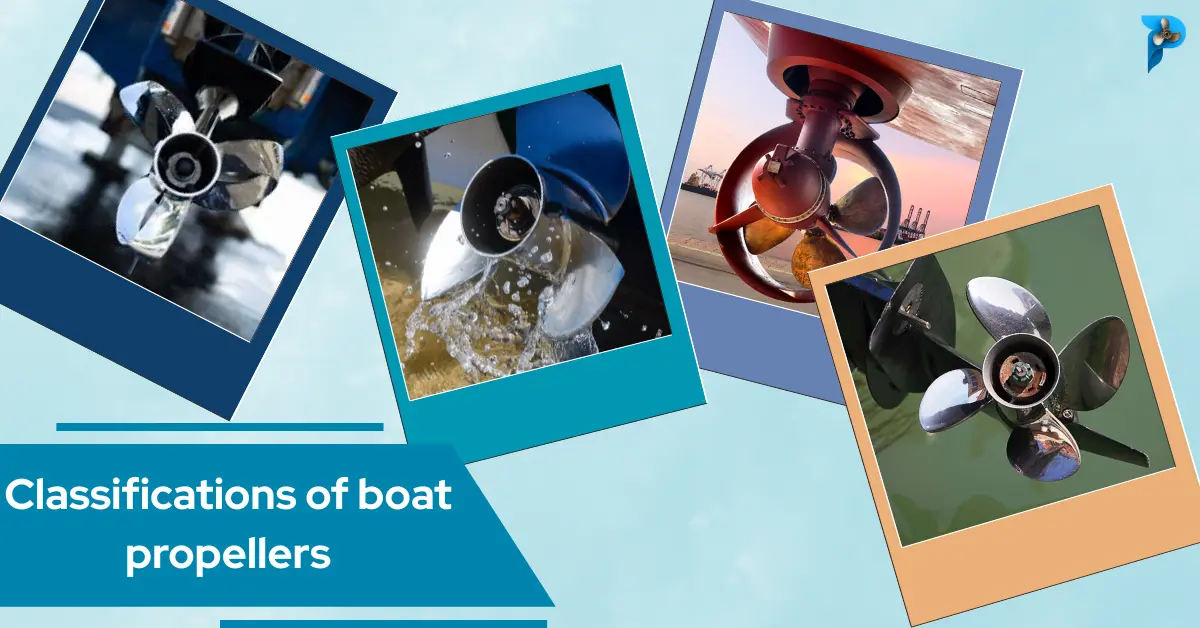
Did you know that a well-polished stainless steel propeller can yield immediate fuel savings ranging from 2% to 5%?
Marine experts confirm that even small amounts of rust or marine buildup on a propeller blade can cause drag, reduce performance, and place unnecessary strain on the engine.
Therefore, the question comes, “How to polish stainless steel propeller?”
You can polish a stainless steel propeller by first cleaning it with soap and water, then sanding rough spots with 400 – 600 grit wet sandpaper.
Buff the propeller using a polishing compound and a rotary buffer until it shines. Finish by applying a marine-grade wax to protect against corrosion and maintain gloss.
Polishing a propeller may sound like a job for professionals, but with the right preparation, tools, and techniques, it can be done at home with excellent results.
By the end of this guide, you’ll know exactly how to transform a dull, stained prop into a gleaming stainless steel mirror.
From preparation and cleaning to sanding, polishing, and care, this comprehensive guide provides everything needed to polish a stainless steel propeller with confidence.
Tools & Materials You’ll Need
Using proper equipment makes the process easier and faster and ensures a professional, long-lasting finish.
1. Safety Gear (Gloves, Goggles, Respirator Mask)
Wearing cut-resistant gloves protects your hands from sharp edges and abrasive materials.
Safety goggles shield your eyes from flying debris and polishing compounds.
A respirator mask is recommended when using chemical cleaners or working in poorly ventilated areas to avoid inhaling harmful fumes.
2. Polishing Compounds
Aluminum oxide is effective for initial sanding stages. It helps to remove oxidation and surface imperfections.
For finer polishing, a Stainless Steel Buffing and Polishing Kit includes airway buffs and compound bars made for stainless steel surfaces.
3. Sandpaper (Grit Sequence: 400 → 600 → 1000 → 1500+)
Start with 400-grit sandpaper to remove major imperfections, then move to 600-grit for finer smoothing.
Continue with 1000-grit and finish with 1500-grit or higher for a polished surface ready for buffing.
Wet sanding is recommended to minimize heat buildup and prevent clogging of the sandpaper.
4. Buffing Wheel or Polishing Pad
Using a buffing wheel or polishing pad can significantly reduce the time and effort required to achieve a high-quality finish.
These tools are designed to work with polishing compounds to bring out the shine in stainless steel surfaces.
5. Marine-Grade Stainless Steel Polish
After achieving a smooth surface, applying a marine-grade stainless steel polish helps protect the propeller from corrosion and staining.
These polishes are formulated to withstand harsh marine environments and provide a protective layer that enhances the longevity and appearance of the propeller.
6. Clean Microfiber Cloths
Using clean microfiber cloths ensures that no lint or residue is left on the propeller surface during the polishing process.
These cloths are gentle on surfaces and highly effective at removing polishing compounds and other residues.
How to Polish Stainless Steel Propeller: Step-by-Step Guide

Polishing a stainless steel propeller enhances performance, protects against corrosion, and helps maintain your boat in top condition. Follow these steps carefully to achieve a professional finish.
Step 1: Safely Remove the Propeller
Safety should always come first. Before starting, wear gloves, goggles, and a dust mask to protect yourself.
It’s important to remove the propeller for better access. This ensures precision and protects both the prop and your boat. For this, you’ll need a prop wrench and cotter pin removal tools.
Carefully remove the propeller, keeping track of small parts to avoid losing them.
Step 2: Initial Cleaning
Start by cleaning the propeller to remove salt, grime, and marine growth.
Apply a marine-grade degreaser to remove oils and residues. Make sure to scrub gently to avoid scratching the stainless steel. Lastly, rinse thoroughly with fresh water to remove any remaining chemicals.
Step 3: Remove Rust, Stains, and Marine Growth
For light rust or stains, use marine-grade rust removers such as Evapo-Rust.
For tougher corrosion or barnacle buildup, you can carefully use diluted muriatic acid or brick cleaner, but always follow safety guidelines.
Other options include jet washing after haul-out, or household solutions like vinegar and baking soda for minor oxidation.
Follow the proper methods to remove rust from the prop for the best result.
However, if corrosion or pitting is deep (visible gouges or thin blade edges), polishing won’t restore strength. In this case, you need to replace the prop a safer choice.
For budget-minded customers who seek quality, the TUNORD OEM Grade 3-Blade Stainless Steel Propeller is an affordable aftermarket product.
This propeller resists corrosion in saltwater, delivers smoother acceleration with its design, and maintains strength unlike aluminum props – all at an accessible price point.
Step 4: Sanding the Propeller
Inspect your propeller for scratches, dings, or oxidation. Sanding is critical to smooth the surface before polishing.
Use a progressive sanding approach:
- Start with 320 – 400 grit to remove deep scratches.
- Move to 800 grit for smoother transitions.
- Finish with 2000 grit for a polished, mirror-ready surface.
Pro Tip: Use wet sanding with soap and water to reduce heat and prevent sandpaper clogging. Avoid over-sanding, which can damage the blades or change the pitch.
Step 5: Buffing and Polishing
Apply an aggressive cutting compound first to bring out the shine. Use a machine buffer with wool or foam pads for faster, professional results. Hand polishing is fine for small areas.
Switch to a fine finishing polish like Flitz or marine-grade stainless polish for the final touch. Wipe the propeller with isopropyl alcohol to remove residue and achieve a spotless finish.
Pro Tip: Work evenly across each blade and avoid lingering too long in one spot to prevent heat buildup.
Step 6: Final Touches and Protection
Once polished, protect your propeller with a marine wax. This prevents rust and keeps the surface smooth. Follow these maintenance tips for the best results.
- Rinse your propeller with fresh water after each trip.
- Perform quick touch-up polishes to maintain shine.
- Store the propeller properly when the boat is out of water to avoid long-term corrosion.
Common Mistakes to Avoid When Polishing a Stainless Steel Propeller
Being aware of these faults can save you time, prevent damage, and ensure your propeller stays in peak condition for years.
1. Over-Sanding Edges
Excessive sanding, especially on the edges of the propeller blades, can weaken the metal structure. This reduction in material thickness makes the propeller more fragile to damage.
According to The Hull Truth, while minor sanding or profiling of a stainless steel propeller may not require rebalancing, over-sanding can create significant imbalances.
Avoid altering the blade’s profile or removing too much material, especially from the edges.
2. Using Household Cleaners That Damage Stainless Steel
Household cleaners, such as bleach, vinegar, or abrasive pads, can damage the protective layer of stainless steel, leading to pitting, discoloration, and corrosion.
According to The Spruce, vinegar can cause pitting and dullness, while bleach may lead to discoloration and corrosion. Using these cleaners on a stainless steel propeller can damage the protective layer.
Instead, mild dish soap and warm water are often sufficient for regular cleaning. For polishing, consider products like Weiman Stainless Steel Cleaner & Polish Spray.
3. Forgetting to Rebalance After Polishing
Polishing can remove material unevenly from the blades, which affects the propeller’s performance and can cause vibrations.
That’s why, after polishing, use a propeller balancer to ensure all blades are evenly weighted.
FAQs
1. What is the best way to polish a stainless steel boat propeller?
The best way to polish a stainless steel propeller is by cleaning it with soapy water. Then, remove marine growth with a scraper or wire brush, sand with fine-grit sandpaper, and finish with a stainless steel polish and microfiber cloth for a mirror-like shine.
2. Can I polish a stainless steel propeller at home?
Yes, you can polish a stainless steel propeller at home using basic tools like sandpaper, a buffing wheel, and marine-grade metal polish. Always wear protective gloves and goggles while polishing.
3. How often should I polish my stainless steel propeller?
It’s recommended to polish your stainless steel propeller at least once or twice a season, depending on how frequently you use your boat and the water conditions. Regular polishing prevents corrosion and maintains performance.
4. What materials do I need to polish a stainless steel propeller?
You’ll need mild soap, a scrub brush, fine-grit sandpaper, a buffing wheel or drill attachment, stainless steel polish, and a microfiber cloth. These materials help remove oxidation and restore the shine.
5. Does polishing a stainless steel propeller improve performance?
Yes, polishing a stainless steel propeller can slightly improve performance by reducing drag, enhancing fuel efficiency, and protecting against corrosion. While it won’t drastically increase speed, it helps maintain peak efficiency.
Bottom Line
Polishing a stainless steel propeller directly impacts performance, fuel efficiency, and long-term durability.
With the right tools, techniques, and a consistent maintenance routine, you can restore a mirror-like shine, protect against corrosion, and keep your boat running at peak efficiency.
Whether in saltwater or freshwater, regular polishing ensures your propeller stays in top condition season after season.
Best of luck!