Is your engine running, but the boat isn’t moving? That’s a spun hub.
A spun prop hub happens when the rubber inside your propeller loses grip, and it causes the engine to run while the prop barely moves. Whether cruising, fishing, or towing, a spun hub can leave you in the water helpless.
So, you may be wondering how to fix a spun prop?
For a temporary solution, you can try quick DIY fixes at home. But if you want a permanent repair that truly lasts, it usually means replacing the hub professionally or even buying a new prop altogether.
Temporary spun hub repairs can cost almost nothing, but there’s a chance that they may fail at one point. However, for a permanent solution, you’ll be good to go for long-term performance.
In this complete guide, you’ll learn exactly how to fix a spun prop hub from fast DIY hacks to full professional replacements. Therefore, let’s tune in and keep your toolkit ready!
What Is a Spun Prop?
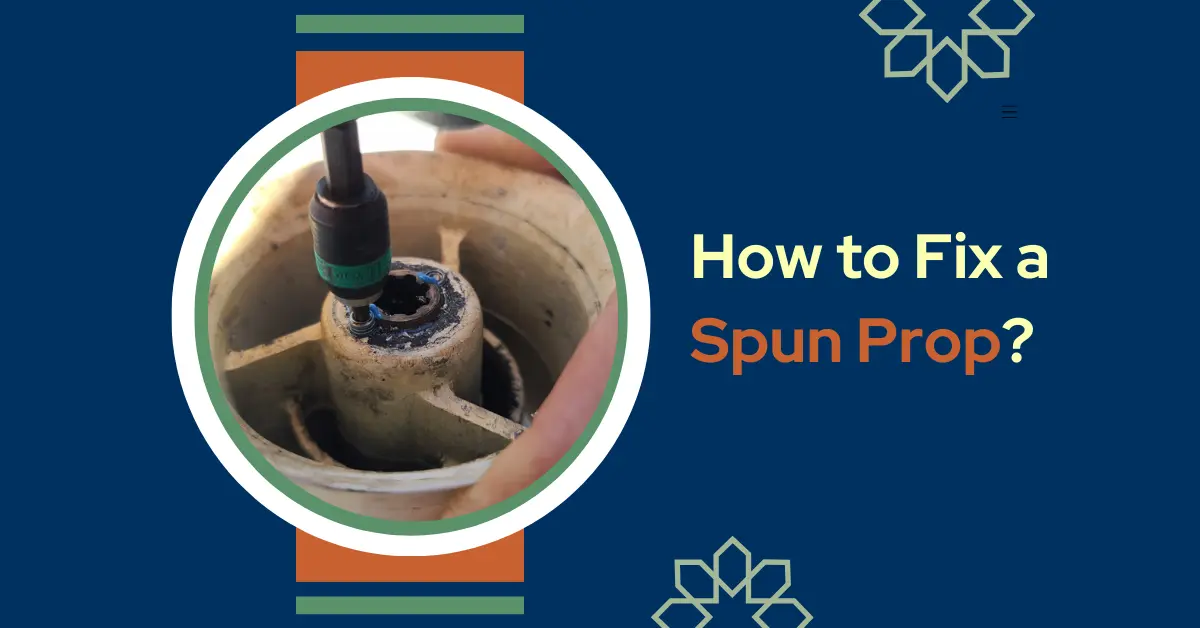
A spun prop on a boat occurs when the rubber bushing inside the propeller hub slips, causing the propeller to spin without effectively moving the boat. Common signs include loss of acceleration, engine revving without speed increase, and reduced thrust. Repair usually involves replacing the hub or the entire propeller.
That rubber sleeve part is designed to absorb shock and connect the prop securely to the engine shaft. When this occurs, the engine runs loudly, but the boat rarely moves.
In technical terms, a spun hub refers to the occurrence where the inside rubber bushing loses its bond with the drive shaft or propeller housing.
What Causes a Spun Prop Hub?
Several everyday boating mistakes or blunders can cause your hub to spin out. Let’s see some of the main causes of the spun prop hub.
- General wear and tear from years of use
- Rope, fishing line, or debris getting tangled around the prop
- Hitting objects like rocks, sandbars, or logs at speed
- Improper installation or lack of proper maintenance
- Hot exhaust gases can overheat and degrade the prop hub’s rubber
- Overheating due to excessive slippage under heavy load
When these factors stress the propeller to an extreme level, the rubber hub sleeve can stretch, melt, or lose grip. Eventually, it leads to full hub failure.
Symptoms of a Spun Prop
A spun prop doesn’t always fail at once. You might notice subtle signs before it becomes a major problem.
The common symptoms of a spun prop on a boat include high engine RPM with little or no movement, suddenly taking longer or failing to reach plane, inconsistent top speed, and a jerky or slipping sensation during acceleration.
Below, we’ll learn about the symptoms in proper detail.
1. The Engine Runs, But the Boat Doesn’t Move Properly
One of the biggest red flags of a spun propeller hub is when your engine RPMs are high, but the boat barely accelerates.
You’ll hear the motor working hard, but your speed won’t match the sound or throttle input.
This happens because the propeller isn’t gripping the shaft tightly. It’s spinning inside without fully transferring power to the water.
2. Inconsistent Top Speed
Another common symptom of a spun hub is an unpredictable top speed.
One day you’re hitting 25 mph, the next day you’re barely making 10 mph even though you’re at full throttle.
This inconsistency usually points to a partially spun hub that’s only getting worse with each trip.
3. Sensation When Accelerating
If you feel a slipping, delayed, or jerky response, it could mean the hub is slipping under load.
Sometimes it grabs briefly, then slips again. This is a clear sign that the rubber sleeve inside the propeller is failing.
How to Diagnose a Spun Prop Hub?
If you’re confused about whether your boat has a spun hub or not, it’s easy to check at home with some easy steps. Here you go.
Step 1: Put the engine in neutral (boat out of the water if possible). Then, try to turn the propeller by hand while holding the drive shaft steady.
Step 2: If the prop spins independently or feels like it’s slipping, that’s a strong sign you’ve got a spun hub.
Can You Still Use a Boat with a Spun Prop?
Here’s the honest answer: Yes, you can come home with a spun prop hub, but you definitely shouldn’t keep operating your boat like that for long.
Risks of Operating with a Spun Prop Hub
While a spun hub might seem like just a small issue at first, continuing to run your boat with it can cause serious issues.
1. Engine Damage: Constant high RPMs without proper water resistance can over-pressure and overheat your engine, and it leads to costly repairs.
2. Increased Propeller Damage: A slipping prop can cause uneven wear or even damage the propeller shaft itself, which is a much bigger and more expensive fix.
3. Total Loss of Propulsion: If the hub completely fails, you could lose all forward motion. It makes you stand alone in water.
4. Dangerous Situations: Losing power unexpectedly, especially near rocks, other boats, or in strong currents, can create unsafe boating conditions.
How to Fix A Spun Prop: Temporary DIY Fixes
When you’re tight on budget and the damage is quite easy to fix, then for a quick fix, you can try these effective DIY methods. These are only temporary solutions.
1. The Super Glue and Acetone Trick
If you already have the tools in hand and you enjoy an easy DIY fix, you can use this method. In addition, if your propeller is only aluminum, then it’ll be effective. Here’s how to do it.
Step-by-Step Instructions
1. Remove the Propeller
Start by safely removing the propeller from the shaft.
2. Thorough Cleaning
Clean out any leftover rubber or residue from the inside of the propeller using a scraper or soft wire brush.
Then, clean the internal prop area and the rubber hub multiple times with acetone to remove all contaminants. This step is crucial for proper adhesion.
3. Apply Super Glue
Once fully dry, apply a thin, even layer of Loctite Super Glue Ultra Gel Control Bottle around the rubber insert.
4. Add Acetone
Drip a small amount of MG Chemicals 99.9% Pure Acetone into the glued area to help the glue seep deeper into the micro-gaps and create a stronger bond.
5. Reset the Hub and Cure
Carefully press the rubber hub back into place inside the propeller. Reassemble everything and allow the adhesive to cure fully before use.
2. Driving the Splined Insert with a Hammer and Socket
If no glue or chemicals are available, this method can be your spun prop temporary fix to help you safely return home.
Step-by-Step Instructions
1. Remove the Propeller
Start by taking off the prop from the shaft.
2. Choose the Right Socket
Find a deep socket that is slightly smaller than the outer diameter of the rubber hub insert.
3. Position the Hub
Align the spun hub back into its original position within the propeller housing as accurately as possible.
4. Drive the Hub In
Place the socket on top of the rubber hub.
Using a heavy hammer, carefully and firmly tap the hub back into place. Be sure to keep the pressure straight and even to avoid misalignment or additional damage.
5. Reinstall and Test
Reassemble the propeller onto the drive shaft and test it at idle speed before putting it under load.
You can use all these DIY fixing methods only if you’re stuck on water and need to return immediately, safely. Always keep in mind that these are half-fixing the boat, not a full fixing.
How to Fix A Spun Prop: Permanent Solutions

After you have somehow reached home safely with the temporary spun prop solutions, now let’s break down the permanent solutions for fixing a spun hub.
1. Replacing the Hub (If Your Prop Allows It)
In modern propellers, they use systems like Flo-Torq hubs. In this system, you can replace the spun hub without tossing out the entire prop.
Step 1: Remove the Propeller
First, take out the split pin. Then, remove the prop nut and slide off the prop.
Step 2: Extract the Old Hub
Use a hydraulic press to push the old rubber hub out. You can also use a bench vise and properly-sized sockets if you don’t have a press.
Step 3: Install the New Hub
Align the new rubber insert or metal sleeve perfectly. Carefully press it into place.
Step 4: Reassemble the Propeller
Reinstall the prop onto the shaft. Tighten the nut to the manufacturer’s torque recommendation and reinstall the split pin.
2. Buying and Installing a New Propeller
Sometimes, the most cost-effective option for fixing a spun hub prop is simply replacing the entire propeller. Here’s how to choose the right propeller as a replacement.
Material
- Stainless steel props are more durable, faster, but pricier.
- Aluminum props are lightweight and budget-friendly.
Pitch and Diameter
- Check your boat’s manual or current prop for specs.
- If your boat was slow off the line, a slightly lower pitch could help acceleration.
Fit
- Make sure the propeller hub matches your motor’s spline count and shaft size.
If you want a full breakdown of the Step-by-Step guide for installing a new propeller.
Tip: Always carry a spare propeller onboard if you’re boating far from shore. A spun hub can happen anytime, and being prepared can save your trip!
DIY vs Professional Repair: Which One Is Right for You?
Here comes a comparison table on temporary or professional repair to make your decision easy.
| Factor | DIY Repair | Professional Repair |
| Time Needed | 1–3 hours. | 1–7 days (depends on shop workload). |
| Cost | $20–$150 | $100–$300+ |
| Skill Level Needed | Moderate mechanical skill | No skill needed |
| Risk Level | Higher | Low |
| Tools Required | Basic hand tools | None |
Best Replacement Options for Spun Prop Hub
Below are the top-rated hub repair kits and propeller brands.
Best Hub Repair Kits for DIYers
If you’re inclined towards a DIY approach, consider these highly-rated hub repair kits.
1. Quicksilver 835257Q1 Flo-Torq II Hub Kit
- Compatible with Mercury and MerCruiser engines.
- Durable construction ensures longevity.
2. Turning Point MasterGuard Propeller Hub Kit 507
- Designed for professional-grade repairs.
- Compatible with various outboard engines.
Recommended Propeller Brands for Replacement
When replacing your propeller, consider these reputable brands known for quality and performance.
1. Solas Amita 3 13.2 x 19 Aluminum Propeller
- Top-notch performance for long-distance cruising.
- Smooth acceleration with minimal vibration
2. Mercury BlackMax Propeller 12.3 x 21
- OEM Mercury propeller for perfect fit and compatibility
- Reduces engine strain
How to Prevent a Spun Prop in the Future
Here’s everything you need to know to prevent a spun hub prop and keep your boat running smoothly.
1. Proper Maintenance Tips
Regular maintenance is key to avoiding propeller disasters. Follow these simple routines:
- Remove and inspect your propeller after every use
- Grease the prop shaft every season..
- Look for early warning signs like slippage or vibration.
2. Avoid These Common Causes of Spun Hubs
Taking a few simple precautions during your boating can save you hundreds in repairs:
- Avoid running through heavy weeds or sandbanks
- Be cautious around fishing areas
- Handle gear shifting smoothly
FAQs
1. What happens when a prop hub spins?
When a prop hub spins, the rubber insert inside the propeller loses its grip on the metal sleeve. Then the propeller slips. Your engine will run, but the boat won’t move properly or accelerate.
2. When should I take my propeller to a professional prop shop?
If you lack the proper tools, are facing significant damage that requires precision repairs, or need guaranteed performance, especially with high-performance, then please seek professional help.
In addition, for stainless steel or custom propellers, it’s best to take your prop to a certified prop shop for expert service.
3. Can you fix a spun prop hub yourself?
Yes, you can fix a spun prop hub yourself if you have the right tools, like a hydraulic press or a hub repair kit.
Temporary DIY fixes are possible but not recommended for long-term use.
4. Is it better to replace the propeller instead of repairing the hub?
Replacing the propeller is faster, easier, and more cost-effective in some cases. Hub repairs are more common on larger, expensive props where replacement would be costly.
5. How much does it cost to fix a spun hub prop?
Depending on the method:
- DIY hub repair kit: $50 – $100
- Professional hub pressing: $100 – $200
- New propeller: $80 – $400 (depending on size and material)
Final Thoughts
Fixing spun hub propellers isn’t a hassle. Even though the DIY temporary methods can help sometimes, for the long run, it’s suggested to repair it at the shop.
A professional repair shop can properly diagnose deeper problems and ensure your boat is safe, reliable, and ready for the next adventure.
If the issues are still repeated and struggling with performance, you may think about buying a brand-new propeller. Best of luck with your next boating!