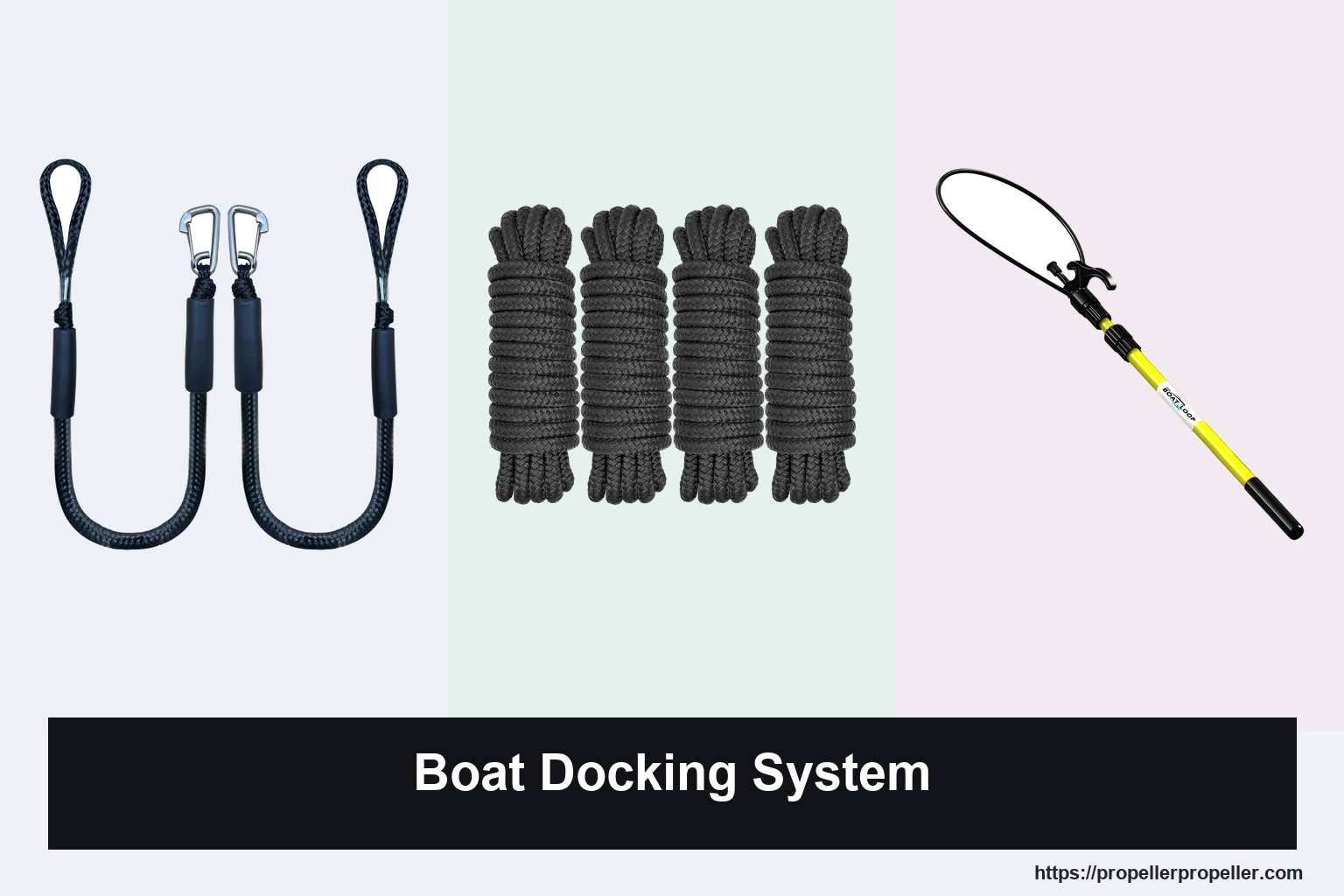
A good boat docking setup has to do more than hold a hull beside a slip. It has to manage movement, absorb surge, stay manageable in wind, and reduce the chance that a tired captain makes a sloppy connection after a long day on the water. That is why the best choices are not always the most complicated ones. Sometimes the right answer is a simple dock line with strong ends. Sometimes it is a bungee-style line that softens the hit from wake and tide. And sometimes it is a handling tool that makes the final approach easier for one person.
This roundup focuses on four distinct docking approaches that solve different problems around the dock. The comparison here is less about fashion and more about fit. Rope diameter, length, stretch, fastener style, tensile strength, construction, and handling comfort all matter because they shape how easily you can secure the boat and how much margin you have when conditions turn rough. The best option for you depends on boat size, docking distance, and whether your main challenge is load control, line handling, or solo positioning.
Top Boat Docking System on the Market

Iririi 4-Foot Bungee Dock Lines
- 2-pack dock line set
- 4 feet extends to 5.5 feet
- Built-in snubber section
- 316 stainless steel snap
- 2200-pound tensile strength
PACTHSD 15-Foot Dock Lines
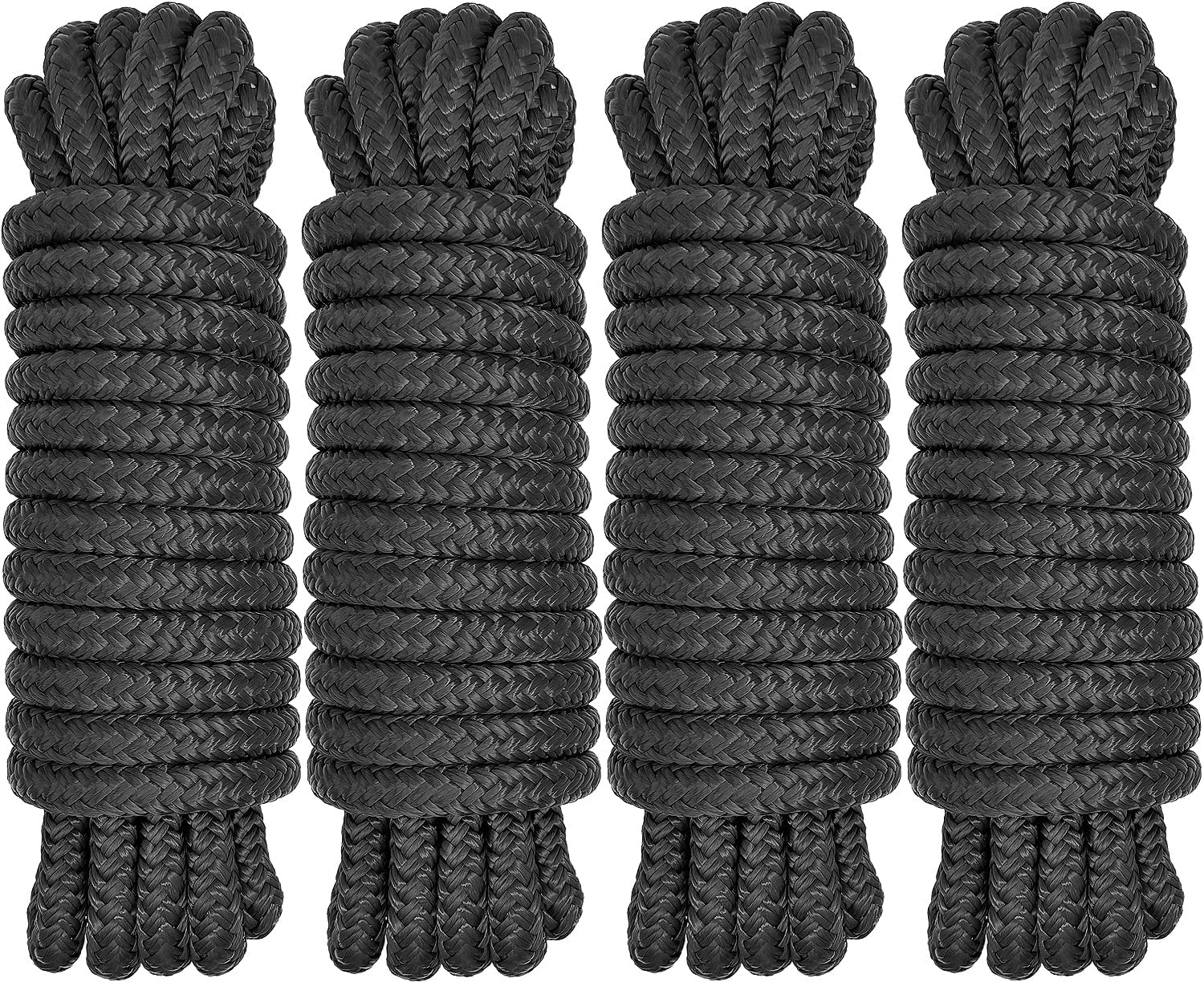
- 4-pack dock line set
- 1/2 inch by 15 feet
- Double-braided nylon
- 12-inch hand-spliced eye
- Boats up to 35 ft

Boat Loop Extendable Dock Hook
- Adjusts from 2 to 8 feet
- Fiberglass pole
- Quick-lock adjustment
- Flexible loop system
- Rubberized push-away stub

MARINE SYSTEM 15-Foot Dock Lines
- 2-pack nylon dock lines
- 3/8 inch by 15 feet
- 12-inch eyelet
- 4100-pound break strength
- Under 20-foot boats
This article may contain affiliate links. As an Amazon Associate, the website may earn from qualifying purchases at no additional cost to you.
Boat Docking System Reviews
Iririi 4-Foot Bungee Dock Lines
- Size
- 4 feet (extends to 5.5 feet)
- Number of Pieces
- 2
- Load Capacity
- 2200 pounds
- Tensile Strength
- 2200 pounds
- Fastener Type
- Snap
Advantages
- Shock-absorbing built-in snubber
- 316 stainless snap hardware
- Foam floats resist sinking
- Compact 4-foot length
- Quick tie-up design
Limitations
- Shorter reach than standard dock lines
- Not the strongest option here
The Iririi line is built for dockings where surge management matters more than raw rope length. Its built-in hidden rubber band rope works as a shock absorber, so the connection is better suited to wake, tide swing, and the small jolts that often happen as a boat settles beside the dock. The 4-foot length that stretches to 5.5 feet keeps the line compact while still giving useful reach. That makes this a sensible choice for owners who want a short, tidy mooring solution rather than a long conventional rope.
The hardware details are what make the design practical. A 316 stainless steel snap gives the connection a corrosion-resistant metal component that belongs in a wet marine environment. The two foam floats reduce the chance of scuffing and keep the line from sinking if it is dropped overboard. With a stated 2200-pound tensile strength and a load capacity listed at 2200 pounds, this is sized for watercraft use rather than heavy displacement boats. The short form factor also means less loose line to manage during a quick tie-up.
Against the other options here, this model is the specialist. It is not trying to replace a long dock line for larger slips or a handling hook for solo approach work. Instead, it solves the exact problem of cushioning and speed. If your boat or PWC fits within that lighter-duty use case, the compact layout and shock-absorbing behavior are the selling points. I would choose this when you want the quickest, least fussy mooring option in the group and do not need extra reach or heavy-boat margin.
PHOTO: Iririi 4-Foot Bungee Dock – Bungee Dock Line Pair → Source: Amazon.com
PACTHSD 15-Foot Dock Lines
- Size
- 1/2″ x 15′ (Pack of 4)
- Number of Pieces
- 4
- Compatible with Vehicle Type
- Boats up to 35 ft
- Tensile Strength
- 7600 pounds
- Manufacturer Warranty Description
- Pacthsd 1-year limited warranty
Advantages
- Four lines included
- Double-braided nylon construction
- Hand-spliced 12-inch eye
- 7600-pound tensile strength
- Fits boats up to 35 ft
Limitations
- No built-in shock absorber
- Requires more line management
PACTHSD takes the most traditional path in this group, and that is a strength. The 1/2 inch x 15 feet size gives you a flexible dock line length that works across a wide range of slips, tie points, and boat geometry. The four-pack format is especially useful because docking usually needs more than one line in practice. For a buyer who wants a general-purpose mooring solution rather than a specialty dock aid, this set has the broadest everyday utility in the lineup.
The construction is where the value really comes through. Double-braided nylon is built for shock load absorption and abrasion resistance, which matters when a boat moves against the line over time. The 12-inch hand-spliced eye, whipped and sewn reinforcements, and heat-treated ends all point toward better long-term durability at the spots most likely to wear first. The stated tensile strength is 7600 pounds, and the recommended compatibility goes up to boats of 35 feet, so this is clearly aimed at a more substantial docking job than light watercraft lines.
Relative to the bungee-style option, this set gives you more conventional control and more size headroom. Relative to the handling pole, it is the actual tie-off solution rather than a docking aid. That makes it the most balanced pick for boaters who want one purchase to cover common dock situations without giving up durability. The tradeoff is that it does not add stretch-assist or special solo-docking convenience, so the buyer gets straightforward line performance instead of a specialized feature. I would choose it for the widest range of general docking needs in this group.
PHOTO: PACTHSD 15-Foot Dock Lines – Dock Line Bundle → Source: Amazon.com
Boat Loop Extendable Dock Hook
- Material
- Fiberglass
- Warranty Description
- 1 Year Manufacturer
- Item Dimensions LxWxH
- 47 x 3 x 3 inches
- Package Weight
- 0.91 kg
- Size
- Compact
Advantages
- 2 to 8 foot reach
- Quick-lock adjustment
- Flexible loop for pilings
- Lightweight handling tool
- Rubberized push-away stub
Limitations
- Higher price than rope options
- Not a standalone mooring line
Boat Loop is aimed at the captain who wants more control at the exact moment docking gets awkward. The adjustable pole range, from 2 to 8 feet, gives it real utility in tight spaces, windy conditions, and situations where a hand reach is not enough. Because it is a handling tool rather than a mooring line, its job is to reduce the risk of overextending or misjudging distance. That makes it especially relevant for single-handed docking or for anyone who wants a safer way to connect to pilings and cleats before the boat is fully settled.
The fiberglass pole and quick-lock system matter because they combine reach with controllability. The lightweight package weight of 0.91 kg and compact 47 x 3 x 3 inch dimensions suggest a tool that is meant to be stored and pulled into action without much fuss. The flexible loop can secure pylons up to 16 inches wide, and the rubberized push-away stub is there to reduce scratching when the pole is used to push off. Those details make this less about brute force and more about precise, repeatable boat handling.
Compared with the line-based products, this is not a replacement for docking rope. It is the piece that helps you get the boat where the ropes can do their work. That distinction is important, because buyers sometimes focus only on lines and then struggle with the last few feet of approach. If your priority is solo control, safer reach, and better positioning in awkward docking spaces, this is the most capable tool in the set. It costs much more than the rope options, but for the right user the added control is the point, not the luxury.
PHOTO: Boat Loop Extendable Dock – Extendable Boat Hook → Source: Amazon.com
MARINE SYSTEM 15-Foot Dock Lines
- Size
- For Boat Under 20′, 3/8″ 2 Pack
- Number of Pieces
- 2
- Compatible with Vehicle Type
- Watercraft
- Load Capacity
- 4100 pound
- Manufacturer Warranty Description
- 1 Year
Advantages
- Compact 3/8-inch diameter
- 15-foot line length
- Two-line pack
- 12-inch eyelet
- Heat-treated reinforced ends
Limitations
- Less capacity than larger lines
- Not suited to bigger boats
MARINE SYSTEM is the compact middle ground in this group. The 3/8 inch x 15 FT size keeps the line manageable while still offering enough length for typical small-boat mooring. The two-pack format is more focused than the four-pack competitors, which can be an advantage for buyers who only need a pair of lines for straightforward docking. Its stated recommendation for boats under 20 feet makes the intended use clear, so there is no guesswork about whether it is meant for heavy-duty or oversized applications.
The nylon construction and double-braided format support the kind of everyday handling that dock lines see in real use. The 12-inch eyelet simplifies mooring, and the reinforced sewing plus heat-treated ends are there to reduce fraying where ropes usually fail first. The stated breaking force of up to 4100 pounds is useful context, but the important decision point is that this is a lighter, smaller-diameter option than the 1/2-inch 35-foot line above. It is easier to manage, but it does not bring the same size margin.
That tradeoff makes this the right choice for smaller boats that do not need the heavier PACTHSD spec or the specialized shock absorption of the Iririi line. It is also more focused than the solo-docking tool because it performs the actual securement role rather than helping you reach the dock. If your boat is under 20 feet and you want a simple, durable, compact pair of dock lines, this is the cleanest fit in the group. I would choose it when you want basic mooring performance without paying for capacity you will not use.
PHOTO: MARINE SYSTEM 15-Foot Dock – Dock Line Pair with Bag → Source: Amazon.com
How to Choose Boat Docking Gear
Docking gear works best when the product matches the way you actually arrive, tie off, and leave the boat. A short elastic line, a traditional dock line, and a reach tool all solve different parts of the same problem. The main mistake is buying for a generic category instead of the conditions you face most often. Length, diameter, stretch, hardware, and handling comfort each change how quickly you can secure the boat and how much stress the system takes when the water moves.
Length and Reach
Line length determines whether docking feels easy or awkward. Too short, and you end up fighting the boat to reach the cleat or piling. Too long, and you create slack that is harder to manage once the boat settles. Shorter elastic systems are often useful for compact craft and close slips, while longer fixed lines suit boats that need more room to move with tide or wake. Think about the distance between your boat and the dock at rest, then add margin for motion rather than guessing at a one-size-fits-all answer.
Stretch or Fixed Hold
Stretch changes the way the boat loads the dock. Elastic or bungee-style systems soften sudden movement, which is useful when wake, tide, or a busy harbor creates repeated jolts. Traditional nylon lines stay more stable and are better when you want predictable positioning and a classic mooring setup. The right choice depends on whether your bigger problem is impact absorption or holding the boat in a steady position. If you dock in calm water, fixed line control may be enough. If the boat constantly surges, a little elasticity can reduce stress.
Diameter and Capacity
Diameter is one of the simplest ways to judge whether a line is sized sensibly for the boat. Thicker rope usually brings more margin, but it also takes more space and can be less convenient to handle. Smaller diameters are easier to work with on light boats, yet they should match the load and the size of the craft. Always compare the rope’s strength and recommended boat size with the weight and length of your vessel. Buying too light can lead to premature wear, while buying too large can make everyday docking cumbersome.
Hardware and End Finish
The end connection matters as much as the rope itself. Stainless steel snaps, hand-spliced eyes, whipped ends, and heat-treated tips all exist to reduce weak points where docking gear often fails first. A secure eye or snap also speeds up routine tie-ups, which is important if you dock frequently or often arrive tired after a long day. Look closely at the parts that touch metal cleats, pilings, or wet surfaces, because corrosion and fraying usually start there. Better finishing often saves time and extends service life.
Solo Docking Needs
Single-handed docking changes the equation. A tool that helps you grab a piling, position the bow, or push away from the dock can matter more than another line in the locker. In those situations, reach and control are more important than sheer strength alone. If you often dock without help, prioritize something that reduces overextension and improves precision in the last few feet. That can make the difference between a smooth landing and a frustrating second attempt, especially in wind or a tight marina.
Boat Size Match
The boat’s length is one of the best starting points for narrowing the field. Smaller boats often work well with lighter lines and simpler setups, while larger boats usually need more length, thicker rope, or higher stated capacity. Use the boat size guidance as a floor, not a suggestion. A line rated for smaller craft may still function in calm situations, but it leaves less margin when conditions worsen. Matching the gear to the boat size keeps docking behavior more predictable and prevents needless strain on the rope or hardware.
Dock Line Comparison Table
| Product | Best For | Length | Pieces | Capacity | Strength | Warranty |
|---|---|---|---|---|---|---|
| Iririi 4-Foot Bungee Dock Lines | Best for surge control | 4 feet (extends to 5.5 feet) | 2 | 2200 pounds | 2200 pounds | 1 year warranty |
| PACTHSD 15-Foot Dock Lines | Best all-around dock line | 1/2″ x 15′ (Pack of 4) | 4 | 1380 Pounds | 7600 pounds | Pacthsd 1-year limited warranty |
| Boat Loop Extendable Dock Hook | Best for solo docking | Compact | Not Specified | Not Specified | Not Specified | Not Specified |
| MARINE SYSTEM 15-Foot Dock Lines | Best compact dock line | For Boat Under 20′, 3/8″ 2 Pack | 2 | 4100 pound | 4100 pounds | 1 Year |
How We Tested & Analyzed Boat Docking System
This analysis focused on category-level decisions that actually affect docking success: line length, diameter, capacity, tensile strength, hardware style, stretch behavior, and handling convenience. Those are the variables that change how a boat sits at the dock, how much movement the system absorbs, and how easy the gear is to use in a real marina setting. The comparison emphasized how each product type solves a different docking problem rather than treating all boat docking gear as interchangeable.
The products were compared on practical usefulness first and specialty value second. A general-purpose dock line needed to show enough capacity and durability to handle everyday mooring. A shock-absorbing line needed to demonstrate why its stretch behavior matters. A docking tool needed to prove that its reach and locking design actually improve handling. That approach keeps the recommendation grounded in the task each item performs instead of exaggerating one feature at the expense of the others.
Limitations were treated as part of the buying decision, not as afterthoughts. Shorter lines, smaller diameters, or more specialized tools are not flaws by themselves. They become tradeoffs when a buyer needs broader reach, higher capacity, or more conventional mooring behavior. The goal was to separate compact convenience from true versatility so readers can choose the right docking system for their boat size, slip conditions, and level of docking help.
Frequently Asked Questions
Should I choose stretchy or fixed docking gear?
Stretchy gear is better when wake, tide, or surging creates sudden load changes. Fixed nylon lines are better when you want steady hold and predictable positioning. The right choice depends on whether your dock environment is more about cushioning movement or keeping the boat settled in place.
How do I match dock lines to boat size?
Start with the manufacturer’s size guidance and do not treat it as a casual suggestion. Smaller boats can usually use lighter lines, while larger boats need more rope diameter, stronger construction, and more length. When in doubt, choose enough margin for movement, not just the still-water condition.
Why does eye style matter on a dock line?
Eye style affects how quickly and securely the line connects to cleats or pilings. A hand-spliced eye or reinforced loop is easier to work with and can reduce wear at the attachment point. That matters because the end connection is one of the first places a line can fray or fail over time.
Do I need a separate docking tool?
Not everyone does, but it becomes valuable when you dock alone or in tight spaces. A reach tool can help you grab a piling, guide the boat into position, or push off without overextending. It does not replace dock lines, but it can make the last few feet of approach much easier.
Final Thoughts
The best boat docking setup is the one that matches your water, your boat, and the way you actually use the dock. Some buyers need a compact elastic line that softens motion. Others need a straightforward nylon mooring line with more size and capacity. A third group benefits most from a handling tool that turns a difficult approach into a controlled one. Once you identify the problem you are trying to solve, the right choice becomes much clearer.
For most boaters, the decision comes down to whether convenience, capacity, or control matters most. Choose the line that fits your boat size and docking conditions first. Then look at how much help you need during approach and tie-off. That approach keeps you from overspending on unnecessary gear and helps ensure the system you buy is the one you will actually want to use every time you come back to the dock.