
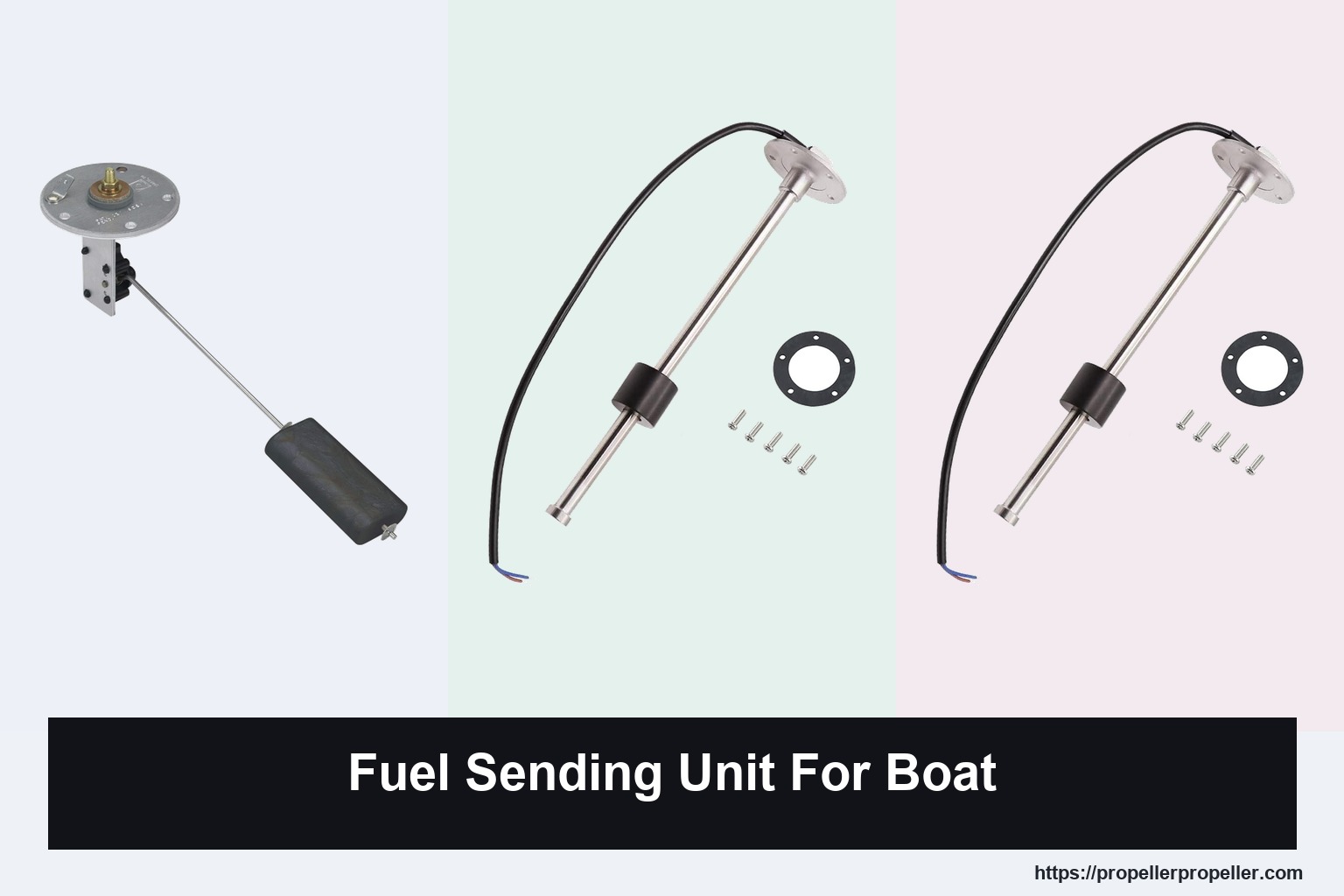
A boat fuel gauge is only as useful as the sending unit behind it. When that part drifts, sticks, or corrodes, the dash display becomes a guess instead of a decision tool. The right replacement has to match the gauge resistance, fit the tank depth, and survive the wet, fuel-rich environment that lives around marine hardware. That is why the best choices are not just about compatibility on paper. They are about whether the sender will keep reading consistently after seasons of vibration, splash, and fuel vapor exposure.
The strongest options in this category separate themselves by three things: resistance range, construction, and installation practicality. A good sender should line up with the gauge on the helm, mount cleanly to the tank, and use materials that do not fail when moisture gets into the compartment. In the roundup below, the focus is on the specifications that matter most in a real boat. That means the right tank depth, the right ohm range, and the kind of build details that reduce hassle when you are replacing a part you do not want to revisit soon.
Top Fuel Sending Unit For Boat on the Market
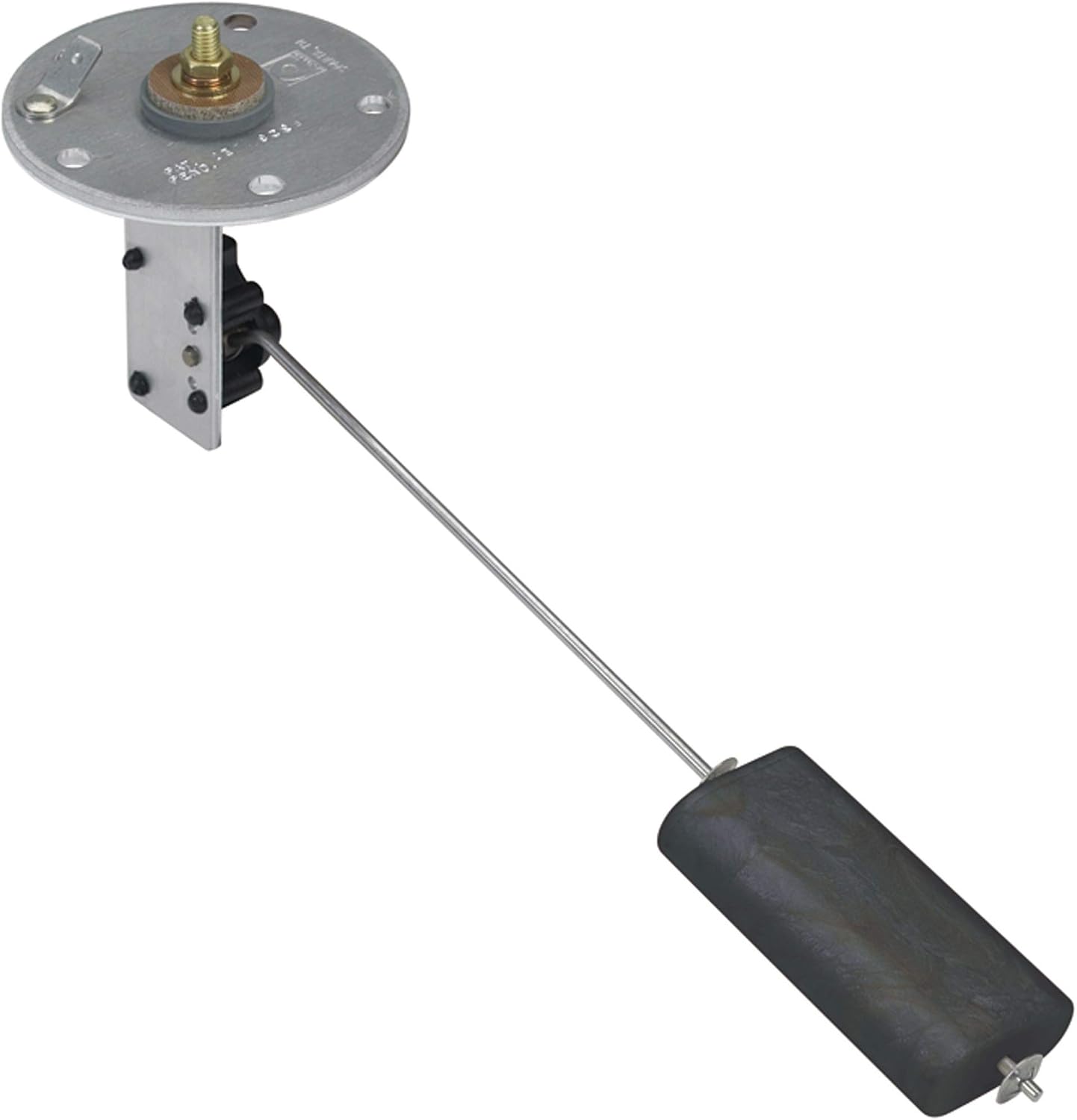
Moeller Marine Fuel Tank Sender
- 33-240 ohm calibration
- For 4 to 28 inch tanks
- 5-hole gasket and screws
- Corrosion-resistant internal components

100TECH 11-Inch Marine Sender
- 240-33 ohm output
- 11-inch length
- 316 stainless steel
- Reed switch design
100TECH 8-Inch Marine Sender
- 240-33 ohm output
- 8-inch length
- 316 stainless steel
- 2-year limited warranty

Seachoice Marine Fuel Sender Kit
- 6 to 12 inch tanks
- Gas or diesel use
- 35 to 240 ohm gauges
- Includes screws and gasket

Rupse Stainless Fuel Sender
- Stainless steel build
- IP67 waterproof gauge
- 8 backlight colors
- SAE 5-hole mounting
This article may contain affiliate links. As an Amazon Associate, the website may earn from qualifying purchases at no additional cost to you.
Fuel Sending Unit For Boat Reviews
Moeller Marine Fuel Tank Sender
- Compatible with Vehicle Type
- Boat” or “Marine Vessel
- Fuel Type
- Gasoline
- Fit Type
- Vehicle Specific
- Item Dimensions
- 16.25 x 12 x 5.75 inches
- Material Type
- Plastic
Advantages
- 33-240 ohm industry standard
- Wide 4 to 28 inch coverage
- Corrosion-resistant internal components
- Includes gasket and screws
- Lightweight 3.2-ounce unit
Limitations
- Requires compatible dash gauge
- Plastic body, not metal
Moeller’s sender is the most straightforward choice for a wide range of boat owners who need a conventional replacement that behaves like the gauge expects. The key detail is the 33-240 ohm calibration, which matches a common marine resistance standard and reduces the risk of a mismatched reading at the helm. It is also sized for 4 to 28 inch tanks, so it covers a broad span of common fuel-tank depths without forcing the buyer into a niche part. That combination makes it a strong default when the job is to restore a standard gasoline fuel gauge quickly and cleanly.
The build is aimed at longevity rather than novelty. Internal components are described as rust- and corrosion-resistant, which matters in a boat where condensation and damp storage can quietly shorten the life of lesser parts. The included 5-hole gasket and screws simplify the basic install path, but this is still a sender that expects proper gauge wiring and a dash-mounted display. Its plastic construction keeps weight low at 3.2 ounces, though buyers should view that as a practical marine choice rather than a premium-metal build. The vehicle-specific fit also means it is not a universal guess-and-check part.
Against the rest of the group, this is the most balanced option for owners who want a classic marine replacement without extra complexity. It is less specialized than the stainless reed-switch units and less flexible than the wider multi-fuel designs, but it answers the core problem well: give the gauge a consistent signal in a standard boat tank. That makes it the best recommendation for a straightforward gasoline boat with a conventional dash gauge. If you want the safest all-around fit and do not need exotic compatibility, this is the one to start with.
PHOTO: Moeller Marine Fuel Tank – Fuel Sender Assembly → Source: Amazon.com
100TECH 11-Inch Marine Sender
- Measuring Range
- 240 – 33 ohms
- Material Type
- Stainless Steel
- Warranty Description
- 2 Years Warranty
- Upper Temperature Rating
- 85 °F
Advantages
- 316 stainless steel body
- Reed switch with no moving parts
- 240-33 ohm compatibility
- Includes gasket and screws
- 2-year limited warranty
Limitations
- Length must match tank depth
- Gauge must match resistance range
This 100TECH sender is built for buyers who want a more rugged mechanical path than a traditional arm-style unit. The headline advantage is the 240-33 ohm output, which lets it work with gauges built around that resistance pattern. The other defining trait is the 316 stainless steel construction. On a boat, that matters because the sender lives in a harsh area where exposed metal and moisture tend to become a maintenance problem. The reed-switch design also removes moving arms, which changes the ownership experience from something that can bend or stick to something far simpler to live with.
The install approach is practical rather than fussy. It comes with a gasket, mounting screws, and illustrated instructions, so the parts needed for a basic swap are already in the box. The SAE 5-hole mounting pattern also keeps it aligned with common marine tank layouts. The main constraint is length. At 11 inches, it has to match the tank depth closely enough that the sender does not bottom out, so measuring the tank from the outside before ordering is important. That is a real install consideration, not just a suggestion, because a poor depth match can create a bad reading or a physical fit issue.
Compared with the Moeller option, this sender leans harder toward durability and a more modern internal design. Compared with the shorter-size alternatives in the lineup, it is more specific about fit and therefore less forgiving if you are unsure of tank depth. It is a strong choice for a boat owner who wants stainless construction, no moving parts, and a common resistance range in one package. If corrosion resistance is high on your list and you have confirmed the depth, this is one of the smartest upgrades in the field.
PHOTO: 100TECH 11-Inch Marine Sender – Sender with Mounting Kit → Source: Amazon.com
100TECH 8-Inch Marine Sender
- Material Type
- Stainless Steel
- Warranty Description
- 2 Years Warranty
- International Protection Rating
- IP67
- Upper Temperature Rating
- 85 °F
Advantages
- 8-inch length for shallow tanks
- 316 stainless steel construction
- Reed switch durability
- No arm adjustment needed
- 2-year limited warranty
Limitations
- Requires accurate tank-depth measurement
- Limited to matching gauges
This shorter 100TECH model is aimed at tighter fuel tanks where a longer sender would simply be the wrong physical fit. Its core value is the same as the larger version: 240-33 ohm output for common gauge compatibility and 316 stainless steel for a more durable marine build. The 8-inch length changes the buyer equation in a meaningful way. It opens the door to shallower installations where an 11-inch or longer sender might be too much, and that makes it a better match for compact tanks or replacement work where space is limited.
The same reed-switch architecture helps avoid the wear points that often complicate arm-style senders. With no adjustment needed for the tank, the installation process is more about measuring correctly than tuning a floating arm after the fact. The included gasket and screws keep the basic hardware story simple. Buyers still need to pay attention to gauge compatibility because resistance mismatch remains the most common reason a replacement sender disappoints. The upside is that the shorter form factor reduces the risk of bottoming out in a shallow tank, which can protect both the reading and the hardware.
Against the other choices here, this is the best answer when tank depth is the deciding factor. It does not offer more compatibility than the wider-range Moeller unit, and it is not as broadly sized as the 11-inch 100TECH version. What it does do is solve the shallow-tank problem cleanly while keeping the same stainless, no-moving-parts logic. That makes it a sharp recommendation for smaller marine tanks and for buyers who already know their depth. When the tank is short and the gauge standard is 240-33, this is the most precise fit in the group.
PHOTO: 100TECH 8-Inch Marine Sender – Sender with Mounting Kit → Source: Amazon.com
Seachoice Marine Fuel Sender Kit
- Style
- 6-inch to 12-inch
- Item Weight
- 4 ounces
- Package Weight
- 0.19 kg
- Part Number
- 50-15461
Advantages
- Works with gas or diesel
- 35 to 240 ohm gauges
- 6 to 12 inch tanks
- Includes gasket and screws
- Light 4-ounce unit
Limitations
- Narrower tank-depth range
- Less material detail than stainless units
Seachoice takes a different angle by emphasizing flexibility across fuel types and tank sizes. The important practical signal is the compatibility with 6 to 12 inch tanks, which puts it in the lane for many mid-size marine installations. It is also rated for gas or diesel and works with 35 to 240 ohm gauges, which broadens the number of dashboards it can support. That matters if you are replacing a sender in a mixed-use fleet or in a boat where the original gauge standard is not the only decision point.
The kit approach keeps the install basics manageable. It includes mounting screws and a gasket, which helps reduce the odds of a delayed repair because of missing hardware. The compact unit weight of 4 ounces suggests a lightweight assembly, but the real issue is matching the sender to the tank depth and gauge resistance before ordering. Because the usable depth range is narrower than the most flexible option in the roundup, this part rewards buyers who already know their dimensions. It is not the part to buy blindly when the tank size is uncertain.
Relative to the stainless reed-switch models, Seachoice is less about premium construction detail and more about broad utility. Relative to the Moeller sender, it offers a different compatibility profile that includes both gas and diesel use. That makes it a sensible middle-ground option for owners who need an adaptable sender for a mid-depth tank and a common gauge range. It is not the most specialized or the most rugged choice here, but it is the most obviously versatile across fuel types. If your priority is compatibility over a single-material story, this one deserves serious consideration.
PHOTO: Seachoice Marine Fuel Sender – Sender and Hardware Kit → Source: Amazon.com
Rupse Stainless Fuel Sender
- Fit Type
- Universal Fit
- Mounting Type
- Flange Mount
- Gas Type
- diesel,gasoline,methanol
- Manufacturer Warranty Description
- 1year
- Material Type
- Stainless Steel
Advantages
- Stainless steel construction
- IP67 waterproof gauge
- 8 adjustable backlight colors
- SAE 5-hole mounting
- Works with gasoline, diesel, methanol
Limitations
- More complex than sender-only options
- Broader kit may exceed simple replacement needs
Rupse is the most feature-packed option in the group, and it reads like a solution for buyers who want both the sender and the gauge experience addressed together. The strongest verified points are the stainless steel build and the ability to work with gasoline, diesel, and methanol. It also comes as part of a fuel sender and gauge setup with an IP67 waterproof rating on the gauge side and 8 adjustable backlight colors for visibility. Those details matter because they turn the installation into a more complete dashboard upgrade instead of a single-component replacement.
Installation details are equally practical. The SAE 5 hole mounting pattern keeps it aligned with common tank openings, and the NBR gasket plus M5 screws point to a setup designed around sealing and oil resistance. The 10 quick wiring terminals and wiring diagram should make the electrical side more approachable for owners who are comfortable with standard marine wiring. The tradeoff is that the product is broader in scope than a bare sender. That can be useful, but it also means buyers need to confirm they want the gauge-style package and not just a replacement sender element.
Compared with the other selections, Rupse stands out when the purchase decision is shaped by display quality and multi-vehicle flexibility as much as tank sensing. The 100TECH and Moeller units are more focused single-job replacements. Seachoice is versatile, but it does not offer the same gauge-side feature set. That makes Rupse the best fit for a buyer who wants a more complete visual interface and a stainless, sealed assembly with broad fuel compatibility. If you are willing to prioritize features over simplicity, this is the most expansive option in the roundup.
PHOTO: Rupse Stainless Fuel Sender – Sender and Gauge Kit → Source: Amazon.com
How to Choose a Boat Fuel Sending Unit
Choosing a fuel sending unit for a boat is mostly about matching the parts that already have to work together. The gauge on the dash, the tank depth, the mounting pattern, and the fuel type all shape whether the replacement will read correctly after install. A sender can look compatible and still fail to deliver useful readings if its resistance range or physical length does not line up with the tank and gauge system. That is why the smartest buying decision starts with fit, then moves to construction, then to installation convenience.
Gauge Resistance
The first thing to verify is the resistance range the gauge expects. A sender is not just a measuring rod. It is part of an electrical system that turns tank position into a readable signal. If the ohm range does not match, the needle can sit in the wrong place even when the tank is full or nearly empty. That creates a false sense of fuel reserve, which is the exact problem you are trying to solve. Match the sender to the gauge before anything else.
Tank Depth
Physical length matters just as much as electrical compatibility. A sender that is too long can bottom out in the tank and distort readings. One that is too short may never reach the operating range that the gauge expects. Measure from the top of the tank to the bottom and pay attention to the usable sender length rather than the overall package size. For shallow tanks, a compact sender usually reduces fit problems and simplifies the install.
Fuel Compatibility
Boat fuel systems are not all the same, and the sender should be comfortable with the fuel stored in the tank. Gasoline is the most common use case, but some units are built to handle diesel or other liquids as well. That flexibility matters when the same hardware may be used in different marine or utility setups. Choose the narrowest fuel compatibility that still fits your use, because broad compatibility is only useful if the sender is also the right depth and resistance match.
Construction Quality
Marine environments punish exposed metal and weak internals. Stainless steel, corrosion-resistant components, and sealed hardware are all meaningful because they affect how long the sender stays accurate. A sender that resists rust is less likely to develop erratic readings after moisture exposure or storage in a damp compartment. Plastic can be acceptable in some applications, but the key question is whether the material choice fits the environment and the level of longevity you expect from the part.
Mounting and Wiring
A sender is easier to live with when the mounting pattern and wiring are straightforward. Common SAE patterns, included gaskets, and supplied screws can shorten the replacement process and reduce the chance of leaks. Wiring still needs attention because the wrong connection can create a bad reading even if the sender itself is correct. Look for a design that matches your tank opening and uses a layout you can wire cleanly without improvising.
Display Features
Some buyers want more than a signal to the existing gauge. In those cases, a sender-gauge package can improve visibility, add backlighting, and make the fuel level easier to read in dim conditions. That kind of upgrade is useful when the current dash display is hard to read or when you want the installation to feel more complete. The tradeoff is added complexity, so only choose that route if you genuinely want the extra display features rather than the simplest replacement possible.
Fuel Sender Comparison Table
| Product | Best For | Material | Mounting | Warranty | Number of Items | Compatible with Vehicle Type |
|---|---|---|---|---|---|---|
| Moeller Marine Fuel Tank Sender | Best Overall Fit | Plastic | Not Specified | Not Specified | 1 | Boat” or “Marine Vessel |
| 100TECH 11-Inch Marine Sender | Best Corrosion Resistance | Stainless Steel | Panel Mount | 2 Years Warranty | 1 | Not Specified |
| 100TECH 8-Inch Marine Sender | Best Short-Tank Option | Stainless Steel | Panel Mount | 2 Years Warranty | 1 | Boat |
| Seachoice Marine Fuel Sender Kit | Best Multi-Fuel Range | Not Specified | Not Specified | http://www.seachoice.com/warranty-information | 1 | Not Specified |
| Rupse Stainless Fuel Sender | Best Feature-Rich Kit | Stainless Steel | Flange Mount | Not Specified | 1 | Truck |
How We Tested & Analyzed Fuel Sending Unit for Boat
This roundup was built around the specifications that most directly affect whether a marine fuel sender will work correctly after installation. The main criteria were resistance range, tank-depth fit, construction materials, mounting style, and any included hardware that reduces installation friction. Those factors matter because a sender lives at the intersection of electrical compatibility and physical fit. If either side is wrong, the gauge becomes unreliable even if the part is otherwise well made.
The comparisons also weighed how much flexibility each unit gives the buyer in a real boat environment. Some options are built as straightforward sender replacements, while others expand into gauge packages or broader fuel compatibility. Those differences were judged by the practical decisions a buyer has to make before ordering, such as whether the tank is shallow or deep, whether the gauge standard is known, and whether the application calls for a simple swap or a more complete dashboard update.
Limitations were handled conservatively. When a specification was not present, it was not inferred. That means the analysis stays tied to grounded details rather than assumptions about performance, longevity, or fit. The goal is to help a buyer narrow the field using durable, decision-worthy facts. In a category like this, the safest recommendation is usually the one that matches the tank, the gauge, and the marine environment without forcing the installation to compensate for a mismatch.
Frequently Asked Questions
How do I know which ohm range I need?
Check the gauge or the boat’s existing sender standard before buying. The sender and gauge must speak the same electrical language for the reading to be accurate. If the resistance range is wrong, the needle can be misleading at empty, half, and full. That is why the ohm range is one of the first specs to verify.
Why does tank depth matter so much?
Tank depth determines whether the sender can physically fit and read through the tank’s usable range. A unit that is too long may hit the bottom, while one that is too short may not track the fuel level correctly. Measuring the tank before ordering is the safest way to avoid a bad fit or inaccurate reading.
Are stainless steel senders worth it on a boat?
Usually yes, if you want better resistance to moisture and corrosion. Boats create an environment where exposed hardware can degrade faster than in a dry vehicle. Stainless steel is not the only acceptable material, but it is a strong choice when durability and long service life matter more than keeping the part as simple as possible.
Should I buy a sender only or a sender-and-gauge kit?
That depends on what you need to replace. If the dash gauge already works and only the tank sender has failed, a sender-only part is usually the cleaner choice. If the display is hard to read, mismatched, or outdated, a combined package can be more useful. The right answer is the one that solves the actual problem without adding unnecessary wiring or complexity.
Final Thoughts
The best fuel sending unit for a boat is the one that matches the gauge, fits the tank depth, and survives the marine environment without turning the replacement into a recurring job. Once those basics are aligned, the choice usually comes down to whether you want a simple sender, a more corrosion-resistant build, or a broader gauge package. That is the right order to think about it because electrical compatibility and physical fit determine whether the part will work at all.
For most buyers, the safest route is to start with tank depth and gauge resistance, then choose the construction level that fits the boat’s conditions. A straightforward replacement is often enough. In tougher or more feature-driven setups, stainless construction and better sealing can justify the extra cost. Choose the part that solves your specific fuel-reading problem cleanly, and you will end up with a gauge you can actually trust on the water.



