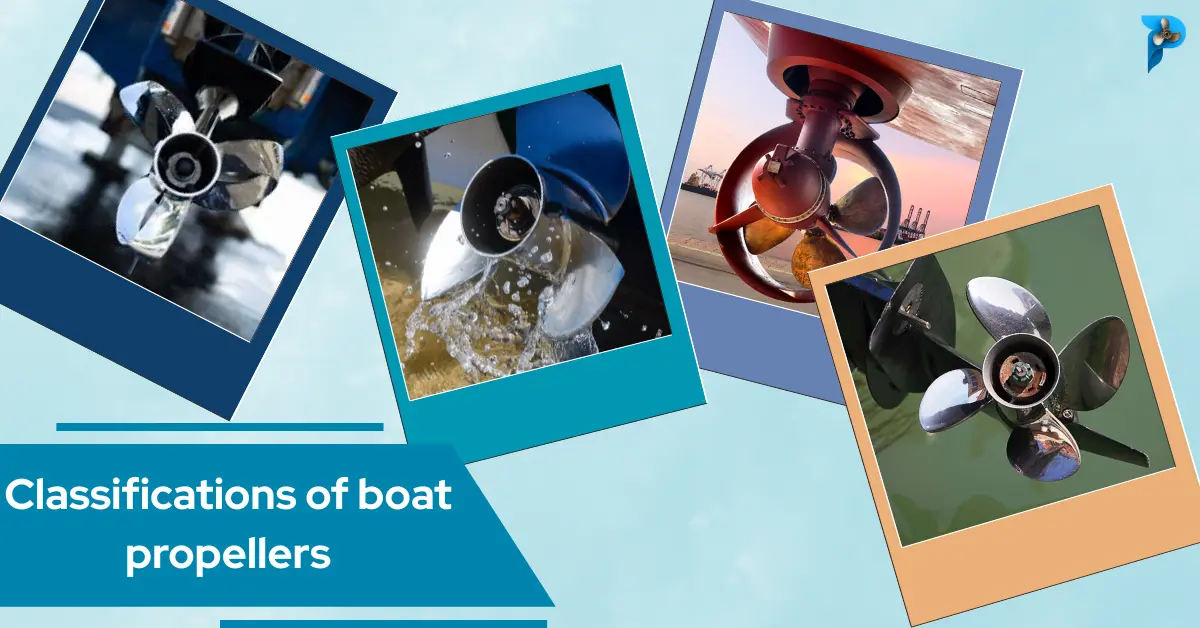
Would you sacrifice durability for cost? Or speed for affordability? The aluminum vs stainless steel propellers debate is still ongoing. Each material has its strengths and trade-offs that can significantly impact your boat’s performance, fuel efficiency, and engine longevity.
Aluminum propellers are lightweight, budget-friendly, and ideal for casual use. Whereas stainless steel propellers boast unmatched durability and performance and are ideal for serious boaters. But which one truly unlocks your boat’s full potential?
For example, one key distinction is speed: stainless steel propellers can deliver up to a 10% increase in top speed compared to aluminum options. In this article, we’ll break down the key differences between aluminum and stainless steel propellers, backed by expert insights and real-world comparisons.
Whether you’re seeking better speed, cost-efficiency, or long-lasting durability, we’ve got the answers to help you make the perfect choice. Let’s jump right into the heart of it!
Understanding Propeller Basics
Choosing the right propeller is like finding the perfect pair of running shoes – it directly impacts the performance, efficiency, and control of your boat. Therefore, it’s essential to understand how the propeller works and the factors related to it.
What Does a Propeller Do?
Always remember that your propeller isn’t just a spinning blade. It’s the engine’s partner to deliver proper power, speed, and better maneuvering power on water.
Primarily, a propeller is essential for converting engine horsepower (HP) into thrust, pushing the boat forward or in reverse. It balances performance by considering water conditions, boat type, and load. The propeller’s pitch and blade design control speed, ensuring smooth operation.
It reduces engine strain by minimizing resistance and preventing wear and damage. Fuel efficiency improves when the right propeller matches the engine type, optimizing energy use.
Additionally, it enhances maneuverability, allowing precise control for turns, tight navigation, and docking.
Choosing the right propeller is crucial for overall boat performance, ensuring efficiency, speed, and durability on the water.
Performance Differences Between Aluminum and Stainless Steel Propellers
Before going into detail comparison, here is a very quick comparison table for a brief overview.
| Feature | Aluminum | Stainless Steel |
| Blade Design | Thicker but more flexible for lighter loads | Thin and rigid for maximum efficiency |
| Durability | Prone to dings and wear over time | Extremely durable, handles tough conditions |
| Acceleration | Slower acceleration for general use | Fast holeshot and quicker time |
| Fuel Efficiency | Moderate, as the blades struggle under load | Higher due to reduced blade drag |
| Handling | Good control in calm waters, but may lack precision in rough conditions | Excellent control, especially in rough conditions |
| Best For | Casual, recreational boating with engines under 150 HP | Heavy-duty use, engines over 150 HP, high-performance boats |
| Cost | More affordable | Higher initial cost but long-term value |
Now, dive deeper into how aluminum and stainless steel propellers stack up in terms of performance.
1. Aluminum Propellers
Aluminum propellers have thicker, flexible blades that bend under heavy loads. It reduces efficiency but adds durability and makes them perfect for casual boating.
They are budget-friendly and a popular choice for boaters who prioritize cost-effectiveness.
Aluminum propellers are ideal for lighter boats or engines under 150 HP, and provide decent performance for recreational use without overloading the engine.
Their simpler design, without advanced features like high rake or cupping, works well in calm waters with moderate speed.
A great example is the Mercury Marine Black Max Aluminum Propeller (10-½″ × 13″). Built from Mercury’s durable Mercalloy aluminum, it delivers smooth performance and reliability for everyday boating. The Flo-Torq hub system protects your engine by absorbing impacts from underwater obstacles. For boaters wanting an affordable yet proven option, this prop has long been a favorite.
If you’re looking for a bit more bite on the water, the Quicksilver Nemesis 4-Blade Aluminum Propeller is another excellent choice. Thanks to its impressive blade design, it offers up to 25% quicker acceleration and better grip in turns, without sacrificing top-end speed.
However, they are more vulnerable to damage, such as dings, cracks, or bends, when hitting underwater obstacles, though repairs are easy.
2. Stainless Steel Propellers
Stainless steel propellers have thinner, more rigid blades that enhance the transfer of power from the engine to the water. This leads to a smoother and more efficient boating experience, particularly at higher speeds.
They also contribute to better fuel efficiency due to reduced drag, which is a significant benefit for those who boat long distances.
In addition to enhanced efficiency, stainless steel props provide superior acceleration and faster planing, making them perfect for sports boats or rapid launches.
For example, the VIF Stainless Steel Propeller (13-¼″ × 17″) for Yamaha Outboards is a top-rated OEM-upgrade made from duplex stainless steel. It offers remarkable corrosion resistance in marine environments.
It comes in various pitch sizes, allowing you to customize performance for either speed or fuel efficiency, while being compatible with 60 – 115 HP Yamaha engines. Their sophisticated designs often feature elevated rake angles and cupping.
The SOLAS Rubex SS 4-Blade 14.3″ × 17″ Propeller delivers excellent stern lift, stronger mid-range thrust, and improved bow control, all while resisting corrosion through its high-quality stainless steel casting. It features with top-speed performance with a smoother, more stable ride, all at a very attractive price.
For these reasons, stainless steel propellers are the preferred option for boats with engines exceeding 150 HP, heavy loads, or more challenging conditions where durability, speed, and accuracy are essential.
Durability and Longevity
Durability is key to your propeller’s lifespan. Here’s how aluminum and stainless steel compare:
1. Aluminum Propellers
Aluminum propellers are lightweight and affordable but prone to damage from impacts with rocks, debris, or rough docks.
While they protect the motor by bending or breaking on impact, aluminum propellers are more likely to flex under load.
2. Stainless Steel Propellers
Stainless steel propellers are highly durable and offer excellent resistance to damage, corrosion, and harsh conditions, particularly in saltwater environments.
They are built for heavy-duty performance, and are ideal for high-stress situations and heavy loads.
Cost Analysis
Here’s a breakdown of the cost differences:
1. Aluminum Propellers
- Budget-Friendly: Aluminum propellers are more affordable. It makes them an attractive option for boaters seeking lower upfront costs.
- Widely Available: Aluminum propellers are commonly available in various sizes and models in online or even local markets.
- Cheaper Repairs: Aluminum propellers are generally easier and cheaper to repair or replace. This makes them a great option for boaters who use their boats in more rugged environments
2. Stainless Steel Propellers
- Higher Initial Cost: Stainless steel propellers typically come with a higher price tag for their advanced features, durability, and precise construction.
- Long-Term Savings: Despite the higher initial investment, stainless steel propellers offer better fuel efficiency, reduced wear and tear, and longer lifespan.
- More Expensive Repairs: If damage occurs, repairs for stainless steel propellers can be more costly due to the complexity of the material.
Suitability and Use Cases
Here’s a breakdown of when to choose aluminum or stainless steel based on your specific needs:
When to Choose Aluminum
Aluminum propellers are great for shallow or rocky waters because their softer material protects the motor from impacts. They are also a good choice for low-power engines (under 150 HP).
It offers solid performance at a lower cost compared to stainless steel. Additionally, aluminum is often used as a backup propeller due to its affordability. That’s why it’s a practical option for recreational boaters who use their boats occasionally.
For example, if you’re a recreational boater with a lightweight vessel or an engine under 150 HP, you might consider the Mercury Marine Black Max Aluminum Prop. It’s well-known for its cost-effectiveness and forgiving design. Its thicker, flexible blades are perfect for casual boating and provide a reliable option when navigating shallow or rocky waters.
When to Choose Stainless Steel
Stainless steel propellers are perfect for heavy or high-performance boats and offer better durability, precision, and power. They are the best choice for high-power engines (150 HP+), as they can meet the engine’s demands while providing improved performance and durability.
Stainless steel also reduces fuel consumption and maintenance costs. That’s why it’s a smart investment for frequent boaters who prioritize long-term efficiency.
For boaters with engines over 150 HP or those seeking high performance and durability in saltwater environments, the Solas Saturn Stainless Steel Prop stands out. Its thinner, stiffer blades ensure optimal power transfer and efficiency. It’s a top choice for high-powered vessels and demanding conditions.
Expert Opinions and Real-world Insights
Here’s a deeper dive into expert recommendations and insights, backed by industry knowledge and real-world experiences.
1. Tom W. Clark, Marine Propeller Expert: Tom Clark, an experienced marine propeller consultant, is widely respected in the industry for his detailed knowledge of propeller dynamics.
Clark emphasizes that stainless steel is the superior choice for V-6 engines and boats with over 150 horsepower.
He stated that stainless steel offers exceptional strength and efficiency. He also mentioned that it’s superior rigidity ensures the propeller maintains optimal performance under load, resulting in better fuel efficiency, smoother handling, and enhanced acceleration.
Source: BoatTEST – Expert boat reviews, performance tests, and in-depth comparisons.
2. Mercury Marine Propeller Guide: Mercury Marine states that stainless steel propellers are best suited for boats operating in challenging conditions or with engines exceeding 150 HP.
They also emphasize that these propellers offer superior corrosion resistance and greater efficiency at higher speeds, making them a top choice for serious boaters.
3. David Berg, Professional Marine Surveyor: David Berg, a marine surveyor, emphasizes that stainless steel is crucial for boats operating in saltwater environments due to its superior corrosion resistance.
He explains that aluminum propellers deteriorate more quickly in saltwater, significantly shortening their lifespan, whereas stainless steel remains durable for years, making it a smart choice for boaters in coastal regions.
Source: Professional Marine Surveyors Association – Marine inspections, certifications, and industry standards.
Real-Life Experiences
To have a good real-life insight about both types, here is a performance comparison chart that visually represents the differences between aluminum and stainless steel propellers across four key performance metrics:

Here in the visual graph, we have discussed acceleration, fuel efficiency, durability, and corrosion resistance.
On a scale of 1-10, the ratings are based. In real-life usage and experience, you can see that stainless steel outperforms aluminum in most critical aspects such as durability and corrosion resistance.
Where Aluminum Falls Short
Despite its cost benefits and flexibility, aluminum propellers have limitations:
- High-Speed Handling: For high-speed boating or precise maneuvering, aluminum often falls short compared to stainless steel. Experts agree that aluminum propellers tend to flex under heavy loads or at higher speeds, which reduces efficiency and performance.
- Heavy Loads: For boats carrying heavy loads or traveling long distances frequently, stainless steel is the superior choice. Its rigid structure ensures steady power delivery and optimal fuel efficiency, whereas aluminum’s flexibility can hinder acceleration and performance in such scenarios.
Cost vs. Performance Trade-Offs
When choosing materials for boating, finding the right balance between cost and performance is key.
Balancing Budget and Needs
For budget-conscious boaters, casual boaters, or in need of emergency spares, aluminum is a solid choice.
It’s lightweight, cost-effective, and durable enough for everyday use, offering an ideal solution without breaking the bank.
The typical range of aluminum propellers is from $100 to $500. However, higher-end aluminum props with advanced designs or larger boats might reach up to $600.
On the other hand, stainless steel is the go-to option for high-performance enthusiasts or experts.
Known for its superior strength, corrosion resistance, and long-lasting durability, it can handle the demands of more extreme conditions.
That’s what makes it worth the investment for those seeking enhanced performance. The general price range goes between $300 to $1,200 or more.
Fuel Savings vs. Initial Investment
While stainless steel may come with a higher upfront cost, its benefits become apparent over time. The material’s durability reduces the need for frequent replacements, ultimately saving money in the long run.
Additionally, the robust construction can lead to better fuel efficiency and performance. With an initial investment, it provides lasting value.
Key Factors to Consider When Choosing a Propeller
As all the propellers aren’t built similarly, understanding the types of propeller can save you money, time, and frustration. Here are a few critical elements you must look for while selecting a propeller:
1. Size
The size of a propeller means diameter. A diameter is the distance of the circle made by the propeller when it spins. It determines how much water the propeller moves during operation. Larger diameters are better for heavy boats; smaller ones for lighter, faster boats.
2. Material
- Aluminum: Affordable and lightweight, great for casual boaters.
- Stainless Steel: Durable and efficient, ideal for high-performance needs.
3. Blade Count
The blade count typically ranges from 2 to 5 blades. Fewer blades provide top-notch speed for racing boats, whereas more blades improve the smoothness and better handling of vessels. Most boaters prefer 3 or 4 blades, based on the purpose.
4. Pitch
Pitch means the distance a propeller moves in per rotation. A lower pitch provides more power for heavy loads, while a higher pitch delivers faster speeds.
5. Rake
The rake is the angle of the blades connected to the hub. A higher rake enhances lift and speed but may reduce control in choppy waters
Bottom Line
In the battle of aluminum vs stainless steel propellers, the choice ultimately comes down to your priorities. Aluminum is affordable and suitable for casual boating, while stainless steel offers unmatched performance, durability, and efficiency for those who demand the best.
Before making your decision, ask yourself:
- How often do you use your boat?
- What type of waters do you navigate?
- Are you prioritizing short-term savings or long-term value?
Understanding your boating needs and the key differences between aluminum and stainless steel propellers will help you make the best choice for your adventures on the water.
Make the right decision today, and your boat will thank you for years to come! Best of luck!