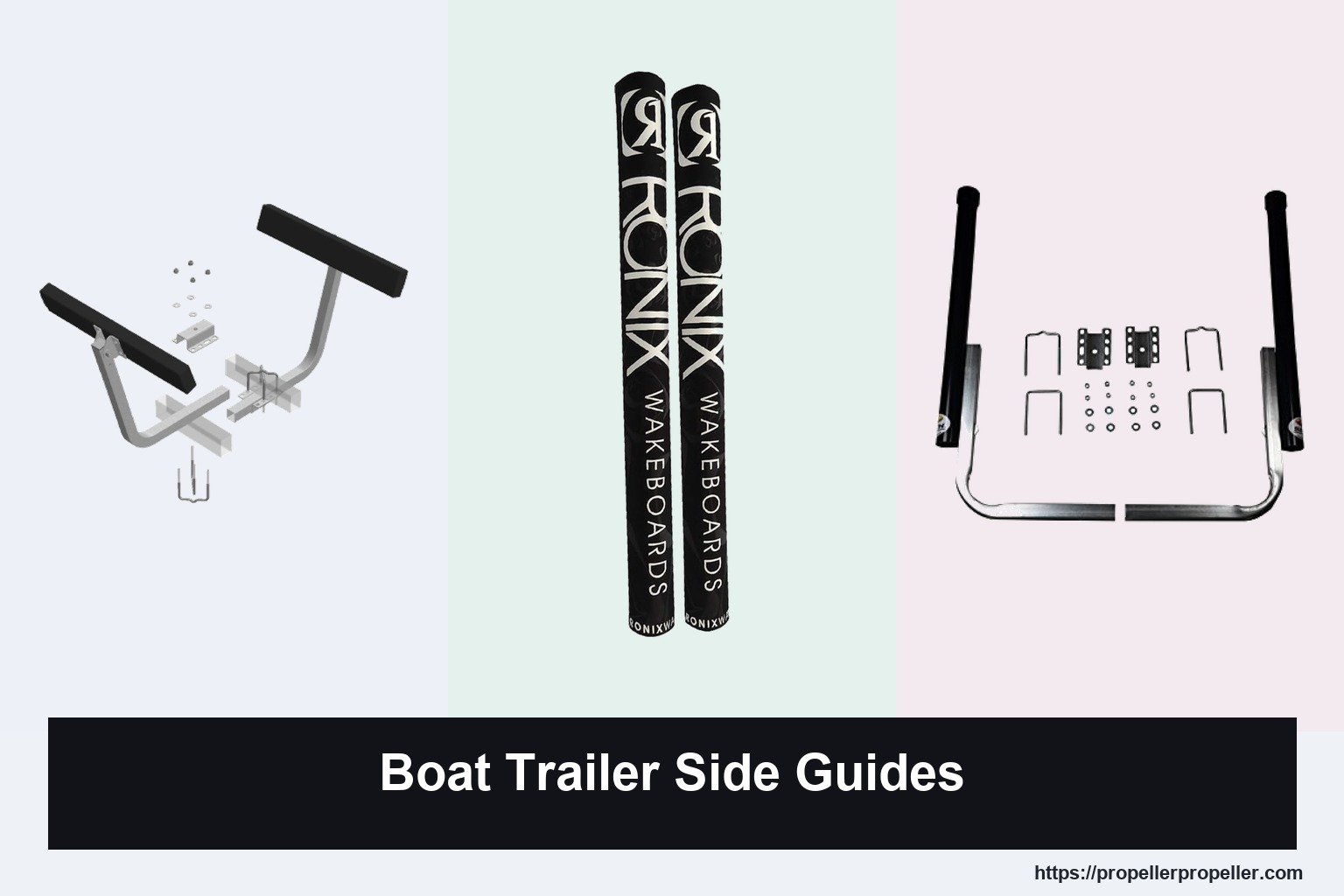
Loading a boat is easier when the trailer gives you a clear, repeatable reference at the waterline. Side guides reduce the guesswork that comes with wind, current, narrow ramps, and limited visibility, especially when you are trying to center the hull before the boat starts drifting off line. For many buyers, the real question is not whether guides are useful. It is which style suits the trailer, the hull, and the way you launch.
This roundup focuses on the practical differences that matter on the ramp. Some guides use carpeted bunk boards to cushion and guide the hull. Others rely on PVC boxed posts for visibility, and some favor taller adjustable steel assemblies for larger trailers or more exposed launches. The best choice depends on your frame dimensions, mounting style, the amount of guidance you need, and how much contact you want between the guide and the boat during loading.
Top Boat Trailer Side Guides on the Market

CE Smith 2-Foot Bunk Board Guide-On
- 2-foot bunk board
- 21-inch height
- Fits 3-inch frames
- Marine carpet covering
- Mounting hardware included

Ronix 3ft Trailer Boat Guides
- 3-foot length
- Set of 2
- Black finish
- Available in 4ft size
- Lightweight build

CE Smith PVC Boxed Post Guide-On
- 60-inch height
- Adjusts 13 inches each side
- Fits 3-inch frames
- PVC boxed post
- Hardware included
KUAFU Carpeted Bunk Board Guide
- 2-foot bunk board
- Galvanized metal surface
- Carpet-wrapped contact
- Fits 3-inch frames
- Pair included

KUAFU 30-Inch Adjustable Trailer Guide
- 24 to 36-inch height
- Steel construction
- Zinc-plated finish
- Hardware included
- Fits 3-inch frames
This article may contain affiliate links. As an Amazon Associate, the website may earn from qualifying purchases at no additional cost to you.
Boat Trailer Side Guides Reviews
CE Smith 2-Foot Bunk Board Guide-On
- Load Capacity
- 4000 pounds
- Mounting Type
- U-Bolt
- Material Type
- Southern yellow pine
- Item Dimensions
- 28.6 x 11.7 x 5.5 inches
- Manufacturer Warranty Description
- limited warranty
Advantages
- Carpeted contact surface
- Adjustable 21-inch height
- Fits common trailer frames
- Mounting hardware included
- 4000-pound load capacity
Limitations
- Shorter than post guides
- Wood core needs care
The CE Smith 27660 is aimed at buyers who want a guided, cushioned loading surface rather than a tall upright marker. The 2-foot bunk board format and marine carpet covering matter because they let the hull ride against a softer contact point instead of a bare post. That is useful when you want the trailer to help center the boat without introducing a hard edge that could mark the hull. The stated 21-inch height also gives it enough presence to be useful in less forgiving launches.
Its fit profile is specific enough to matter. The guide adjusts out to 13 inches from the frame on each side and is made for frames up to 3 inches wide and 4.25 inches high. That makes it more relevant to standard boat trailers than to oversized or unusually shaped frames. The U-bolt mounting approach and included hardware reduce the number of extra parts you need to source. The untreated Southern yellow pine adds a natural wood core, while the carpet wrap is the part that actually interfaces with the boat.
Against the other guides here, this one is the strongest choice when hull protection and centering support matter more than vertical visibility. It is not the tallest option, and it is not the simplest post-style marker, but it balances guidance and cushioning well. The 4000-pound load capacity also gives it a clear role on trailers that need more than a lightweight accessory. Choose it if you want a conventional bunk-board guide-on with practical fit details and a less aggressive touch on the hull.
PHOTO: CE Smith 2-Foot Bunk – Guide-On Assembly → Source: Amazon.com
Ronix 3ft Trailer Boat Guides
- Size
- 4 feet
- Color
- Black
- Number of Items
- 1
- Material Type
- other
Advantages
- Set of 2 guides
- Compact 3-foot size
- Low purchase price
- Black finish
- Simple side reference
Limitations
- Material not clearly defined
- Length details need verification
The Ronix Trailer Boat Guides 2026 are the simplest option in this group for buyers who want a straightforward pair of side references without a bulky bunk-board build. The 3-foot length is the main practical cue here because it suggests a compact guide that can still stand out at the ramp without taking over the trailer. The set-of-two format also matches the way most trailer guide systems are used, with one guide on each side to help keep the boat lined up.
The sparse specification set means this product is best judged by its basic form rather than by a long list of technical extras. The available size information points to a 4-foot version in the record, while the product name calls out 2026 and 3ft. That mismatch is a reminder to verify which length you are actually ordering. Because the material is listed only as other, buyers looking for a known metal or carpeted surface will want a different type of guide with more explicit construction details.
This model sits at the minimalist end of the range. It is less informative on materials and mounting than the CE Smith and KUAFU steel options, but that can still be fine for buyers who only need a basic pair of guides and prefer a lighter, simpler setup. The price is lower than the two CE Smith assemblies, which may matter if you are outfitting a trailer on a tighter budget. Pick it when you want a compact guide pair and can tolerate less detail in the construction record.
PHOTO: Ronix 3ft Trailer Boat – Wakeboards → Source: Amazon.com
CE Smith PVC Boxed Post Guide-On
- Size
- 60″
- Mounting Type
- U-Bolt
- Material
- Plastic
- Item Dimensions L x W
- 60″L x 3″W
- Item Weight
- 22.9 pounds
Advantages
- Tall 60-inch post
- Clear underwater visibility
- Adjusts 19 inches each side
- Hardware included
- Heavy-duty frame
Limitations
- Less hull cushioning
- Heavier than simpler guides
This CE Smith post guide is built for buyers who want a tall, visible marker more than a cushioned bunk board. The 60-inch height is the standout specification because it should be easy to see during backing, loading, and unloading, especially when the trailer is still partly underwater. That visibility matters when the boat is drifting, the ramp is crowded, or you need a clear reference point from the driver’s seat. The boxed-post style also creates a more obvious lane than a low guide board.
The frame fit is practical and specific. It adjusts out to 19 inches on each side and works with frames up to 3 inches wide by 4.25 inches high. The U-bolt mount and included hardware support a conventional installation on common trailer frames. At 22.9 pounds, it is a substantial assembly, so the tradeoff for the added height is a heavier part that feels more like a structural accessory than a lightweight add-on. The PVC boxed post and marine-grade steel frame also point toward a more durable, season-after-season use case.
Compared with the bunk-board options, this one trades hull-side cushioning for clear visual guidance. Compared with the Ronix pair, it offers much more structure and a far more obvious marker at the ramp. That makes it the better fit for buyers who prioritize seeing the trailer position when loading in deeper water. If your main problem is alignment and visibility rather than contact comfort, this is the most decisive choice in the group.
PHOTO: CE Smith PVC Boxed – Mounting Hardware Layout → Source: Amazon.com
KUAFU Carpeted Bunk Board Guide
Advantages
- Lower price point
- Carpeted contact surface
- Galvanized metal build
- Fits common frames
- Hardware included
Limitations
- No instructions included
- Fewer exact details
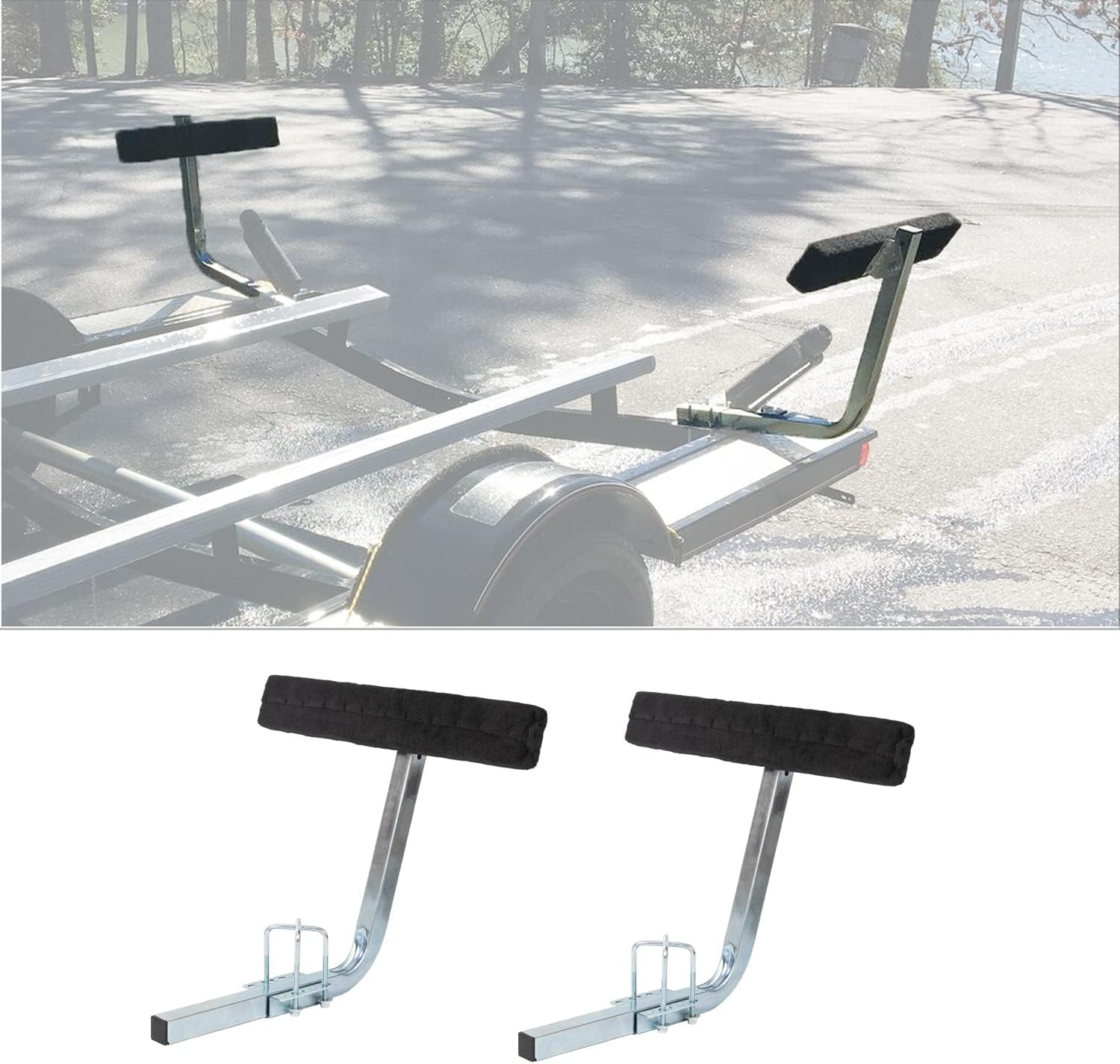
The KUAFU carpeted bunk-board guide is the value play in this roundup. Its appeal is the combination of a carpeted contact surface and a metal structure at a noticeably lower price than the taller CE Smith assemblies. The 2-foot bunk board size keeps it in the same broad category as other cushion-style guides, so it is still meant to help line up the hull rather than serve as a tall visual marker. That makes it relevant for buyers who want guidance without stepping up to a premium-priced setup.
Compatibility is one of its strongest practical points. It is described as fitting trailer frames up to 3 inches wide and 4 inches tall, which covers a common range for many boat trailers. The bolt-on installation and included hardware simplify the job, although the lack of instructions means the setup may be less self-explanatory than on products with fuller installation documentation. The galvanized surface and wrapped carpet are the key durability signals here, especially for a guide that is expected to see repeated wet use.
Against the CE Smith bunk-board guide, this one tends to win on price and lose on specification confidence. Against the post-style guide, it offers more hull-friendly contact but less vertical visibility. That combination makes it the right call for budget-conscious buyers who still want a carpeted bunk-board guide-on and a pair-based installation. If you care most about keeping loading controlled and spend less on the accessory itself, this is the sharpest value pick among the five.
PHOTO: KUAFU Carpeted Bunk Board – Bunk Board Guides → Source: Amazon.com
KUAFU 30-Inch Adjustable Trailer Guide
- Size
- 24″-36″
- Package Weight
- 7.62 kg
Advantages
- 24 to 36-inch adjustability
- Steel construction
- Zinc-plated finish
- Hardware and instructions included
- Fits common frame types
Limitations
- Less hull cushioning
- Best suited to taller setups
The KUAFU 30-inch H guide is the most height-flexible option in this group for buyers working with a bunk-style pontoon trailer or a similar frame layout. The 24 to 36-inch height range matters because it lets the guide sit where you need it relative to the trailer frame and waterline. That kind of adjustment can be useful when trailer geometry or launch depth changes between ramps. The steel construction and zinc-plated finish also give it the more structural character many buyers want from a taller guide system.
It is meant for box, channel, or L-beam frames up to 3 inches wide and 4.25 inches tall, so the fit range is straightforward but not universal. The product includes hardware and instructions, which is helpful on an assembly this tall because adjustment and alignment matter more when the side guides rise farther above the frame. The package weight of 7.62 kg also signals a more substantial kit than a lightweight marker, which is part of why it feels closer to a structural trailer component than a simple accessory.
This guide stands apart from the other four because of its adjustable height and taller stance. It is less cushion-focused than the carpeted bunk-board guides, but it gives more flexibility than a fixed-height post if your trailer setup varies. Buyers with pontoon trailers or taller frame needs should put it near the top of the list. If your priority is adjustable vertical reach and a steel build, this is the most adaptable guide in the set.
PHOTO: KUAFU 30-Inch Adjustable Trailer – Pontoon Guide Posts → Source: Amazon.com
How to Choose Boat Trailer Side Guides
Boat trailer side guides solve a simple problem that quickly becomes complicated on the ramp. The right guide does more than mark the trailer’s edges. It helps you recover alignment when the boat shifts in wind, current, or shallow visibility. It can also reduce the number of times you need to reposition the boat by hand. The best design depends on whether you want a soft guiding surface, a highly visible post, or a taller adjustable structure that fits a particular frame style.
Guide Style
The first decision is what kind of contact you want between the guide and the boat. Bunk-board styles add a broader, more forgiving surface that can help center the hull with less harsh contact. Post guides are easier to see and can be more obvious when the trailer is partially submerged. That difference matters because the guide is not just a marker. It changes how the boat behaves as it settles onto the trailer during loading and how much correction you need at the winch or throttle.
Frame Fit
Trailer frame dimensions should come before almost everything else. A guide may look universal, but the usable range can still be narrower than you expect. Check the frame width and height, then compare that against the guide’s stated fit range and adjustment span. If the fit is too tight, installation becomes awkward. If the guide sits too far out, you may get the visibility or hull alignment you want but lose stability or create an awkward stance on the trailer.
Height and Visibility
Height changes how quickly you can spot the guides when you are backing down a ramp. Taller posts are easier to see when the trailer is under water, while shorter bunk-style guides often create more of a guiding lane than a visual target. Think about the launches you actually do. If the boat often goes in on busy ramps or in rougher water, visibility becomes a bigger advantage. If your loading is usually calm and controlled, a lower profile may be enough.
Material and Contact
Material choice affects both durability and how the boat meets the guide. Carpeted wood or carpeted bunk surfaces are gentler at the contact point and can feel better suited to repeated hull contact. Steel and PVC-style structures usually lean toward visibility and structure, while galvanizing or other protective finishes matter for corrosion resistance in wet conditions. The right material depends on whether you want the guide to cushion the hull, stand out clearly, or simply endure long-term exposure to spray and ramp use.
Mounting Practicality
Installation details can change the true value of a guide. Hardware included in the box reduces the number of extra parts you need to source, and a bolt-on or U-bolt style mount usually keeps the job closer to a standard trailer setup. Even so, taller or heavier guides can take more attention during alignment. If you expect to adjust the guide later, choose one with a clean fit range and straightforward mounting points so routine changes are not a frustration.
Value Tradeoffs
Price should be compared with what you are getting in adjustment, durability, and contact style. A lower-cost guide can be a smart choice if it fits the frame cleanly and does the one job you need. A pricier assembly can be worth it if it gives you the right height, a more durable structure, or a better match for the way you load. The best buy is not the cheapest guide. It is the one that solves your loading problem without forcing unnecessary compromise.
Boat Trailer Guides Comparison Table
| Product | Best For | Height | Weight | Color | Global Trade Identification Number |
|---|---|---|---|---|---|
| CE Smith 2-Foot Bunk Board Guide-On | Best bunk-board guide | Not Specified | 17.4 pounds | Black | 00768296001865 |
| Ronix 3ft Trailer Boat Guides | Best lightweight pair | 4 feet | 0.27 g | Black | 00842903081713 |
| CE Smith PVC Boxed Post Guide-On | Best visibility guide | 60″ | 22.9 pounds | Black | 00744119193085, 00768296009663 |
| KUAFU Carpeted Bunk Board Guide | Best budget bunk board | Not Specified | Not Specified | Not Specified | Not Specified |
| KUAFU 30-Inch Adjustable Trailer Guide | Best tall adjustable guide | 24″-36″ | Not Specified | Not Specified | Not Specified |
How We Tested & Analyzed Boat Trailer Side Guides
This comparison focused on the factors that materially change trailer loading at the ramp. The most important criteria were guide style, frame compatibility, height, mounting approach, and the kind of contact surface the guide creates. Those details matter because side guides are not decorative accessories. They influence how clearly you can see the trailer, how the boat settles during loading, and how much room you have to correct alignment before the hull is fully seated.
Durability and practicality were weighed through construction materials, included hardware, and any explicit fit ranges. Those details are especially relevant in a marine environment where wet use, spray, and repeated contact can expose weak hardware or poor finish choices quickly. Where a product provided clearer information about mounting and dimensions, that clarity counted as an advantage because it lowers the risk of choosing a guide that looks suitable but does not match the trailer frame well.
Value was judged by balancing price against the features that actually matter in use. A lower price did not automatically win if the product record left major questions about material or fit. Likewise, a higher price was only treated as justified when it came with practical gains such as taller visibility, more flexible adjustment, or a more boat-friendly contact surface. The goal was to separate real buying advantages from simple listing length or broad marketing language.
Frequently Asked Questions
Should I choose bunk-board or post-style guides?
Choose bunk-board guides if you want a broader, more forgiving contact surface that helps center the hull. Choose post-style guides if your priority is visibility during backing and loading. The better style depends on whether your biggest problem is keeping the boat aligned or simply seeing the trailer position clearly at the ramp.
How important is frame compatibility?
It is one of the most important checks. A guide can only work well if it fits the trailer frame width and height within its adjustment range. If the frame is outside that range, installation may be awkward or unstable. Measuring first prevents buying a guide that needs a compromise you do not want.
Does guide height really matter?
Yes. Height affects how easy the guides are to see when the trailer is under water and how much visual help they give during loading. Taller guides are often better for deeper or more difficult launches. Lower guides can still work well when you mainly want gentle centering rather than a prominent visual marker.
What features matter most for durability?
Look for strong frame material, corrosion-resistant finishes, and included hardware that is suited to repeated wet use. Carpeted surfaces matter when the guide will contact the hull. In general, a guide that matches your trailer frame cleanly and has a finish meant for marine exposure is more likely to stay useful over time.
Final Thoughts
Boat trailer side guides are one of those accessories that feel optional until loading conditions get difficult. Once wind, current, or low visibility enters the picture, the right guide can make the trailer feel much easier to line up and much less stressful to use. The best choice is the one that matches your loading style, your trailer frame, and the level of visual or physical guidance you actually need.
For most buyers, the safest approach is to choose the style first, then verify fit and mounting before thinking about price. Carpeted bunk-board guides suit buyers who want softer hull contact. Taller post or adjustable steel guides suit buyers who need stronger visual cues and more height. If you focus on those tradeoffs, you can buy with confidence instead of treating side guides as a one-size-fits-all accessory.