
Choosing a sea star jack plate is less about chasing one big number and more about matching the plate to the boat, the motor, and the way you run. Setback, lift, mounting style, and weight capacity all change how the boat carries the engine and how much control you gain over height and trim. The wrong fit can leave performance on the table or add hardware that is awkward to service and unnecessarily heavy.
This roundup focuses on the practical differences that matter at purchase time. Some options are decorative and belong in a home, while others are true marine hardware built for outboard adjustment. The best choice depends on whether you need a small-boat clamp-on solution, a manual performance plate, or a hydraulic system with more range and rigging complexity. Each pick below is judged on verified construction, adjustment range, compatibility, installation demands, and the tradeoffs that come with each design.
Top Sea Star Jack Plate on the Market
BestGiftEver Nautical Single Rocker Switch Plate
- Resin construction
- Single decorator configuration
- Screw-in installation
- 4.90 x 3.25 x 0.50 inches
BestGiftEver Nautical Double Toggle Plate
- Resin decorative plate
- Double toggle configuration
- 4.90 x 4.90 x 0.50 inches
- Includes mounting screws

T-H Marine Z-Lock Manual Jack Plate
- Aircraft-grade aluminum
- 5 inches vertical adjustment
- Fits V6 outboards up to 300 HP
- Available in multiple setbacks

Bob’s Machine 6 Inch Hydraulic Jack Plate
- Internal hydraulic pump
- 7.5 inches total lift
- Up to 300 HP
- Includes wiring harness

Musiclily Pro Steel Jack Socket Plate
- Steel construction
- 10mm jack hole
- 70mm screw spacing
- For Strat style guitars

Camoo MJ-1-DP 4-Inch Setback Plate
- 4-inch setback
- Up to 35 HP
- Wooden mounting block included
- Cast aluminum construction
This article may contain affiliate links. As an Amazon Associate, the website may earn from qualifying purchases at no additional cost to you.
Sea Star Jack Plate Reviews
BestGiftEver Nautical Single Rocker Switch Plate
- Material Type
- Resin
- Configuration
- Single
- Installation Type
- Screw-In
- Item Dimensions W x H
- 3.25″W x 0.5″H
Advantages
- Sea turtle and wave design
- Resin construction
- Includes screws
- Compact single-gang format
- Simple screw-in install
Limitations
- Not for marine use
- Single opening only
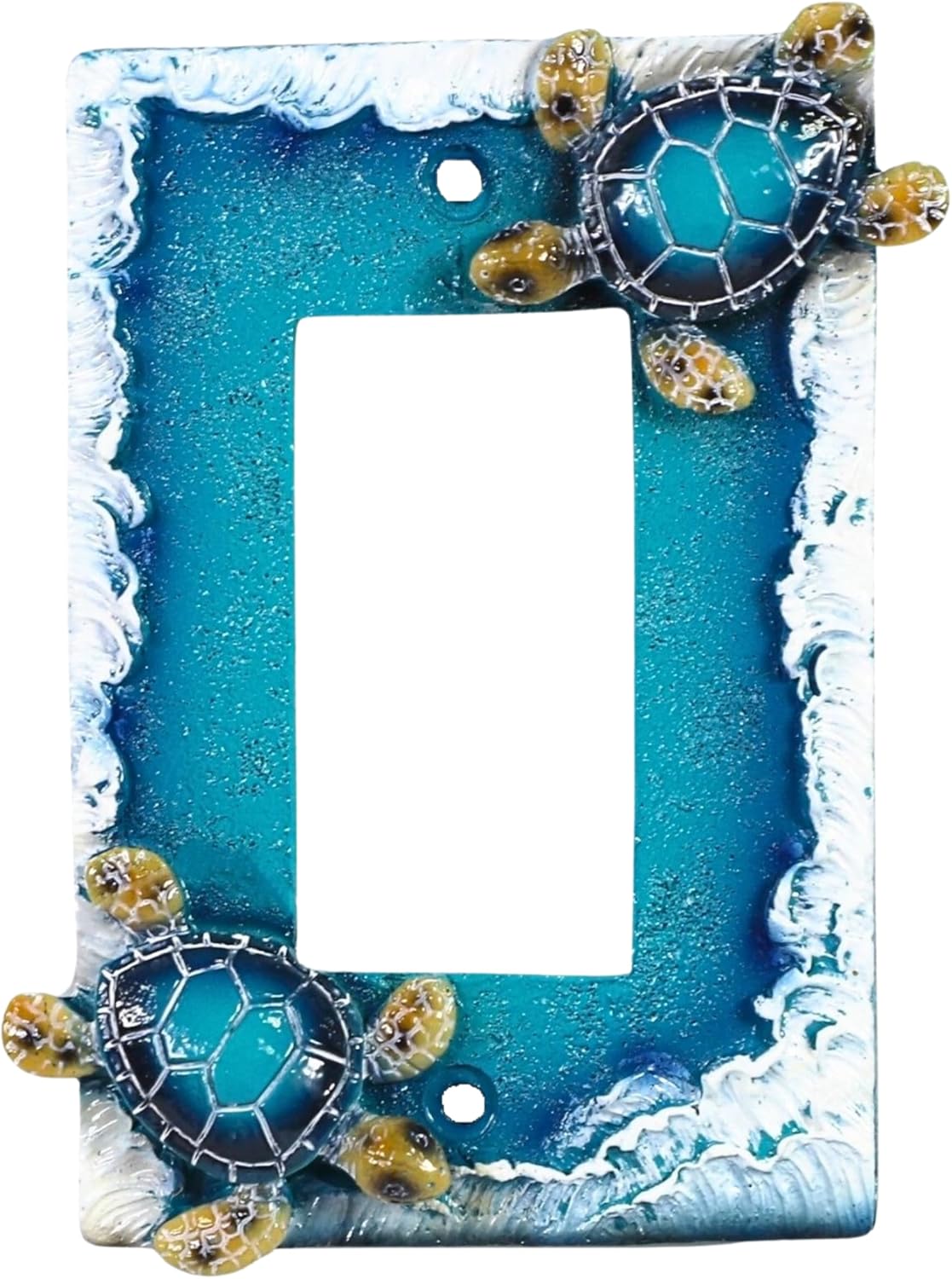
The BestGiftEver Nautical Single Rocker Switch (1 Gang) Decorative Plate is for buyers who want a coastal accent rather than marine hardware. Its resin body and painted finish give the plate a decorative presence that works as a themed detail on a wall, and the sea turtle and ocean wave motif is the entire point of the design. The single decorator configuration keeps it focused on one switch opening, so it reads as a clean accent instead of a busy wall accessory. At 4.90 x 3.25 x 0.50 inches, it stays compact enough to blend into the existing switch location without dominating the space.
Installation is straightforward because the plate uses a screw-in mounting style and includes screws. That matters for anyone replacing a standard wall plate who wants a simple cosmetic upgrade instead of a deeper electrical project. The resin construction is also practical in a decorative category because it can serve as a wall accent without the fragility that comes with some purely ornamental materials. The limitation is equally clear: this is a home décor wall plate, so it belongs in a nautical interior and not anywhere a buyer needs actual boat rigging or mechanical adjustment.
Against the other picks here, this is the most lifestyle-oriented option by a wide margin. It does not compete on setback, lift, or horsepower because it is solving a different problem entirely. That makes it the right call for someone finishing a coastal room, beach house, or marine-themed interior where the switch plate itself is part of the décor plan. If the goal is visual consistency and an easy install, it is a sensible and low-risk choice. If the goal is boat performance, skip it and move to the true jack plates below.
PHOTO: BestGiftEver Nautical Rocker Switch – Nautical Rocker Plate → Source: Amazon.com
BestGiftEver Nautical Double Toggle Plate
- Material Type
- Resin
- Configuration
- Double
- Installation Type
- Screw-In
- Item Dimensions W x H
- 4.9″W x 4.9″H
Advantages
- Sea turtle and wave design
- Double-toggle coverage
- Resin construction
- Includes screws
- Square 4.90-inch format
Limitations
- Decorative use only
- No boat application
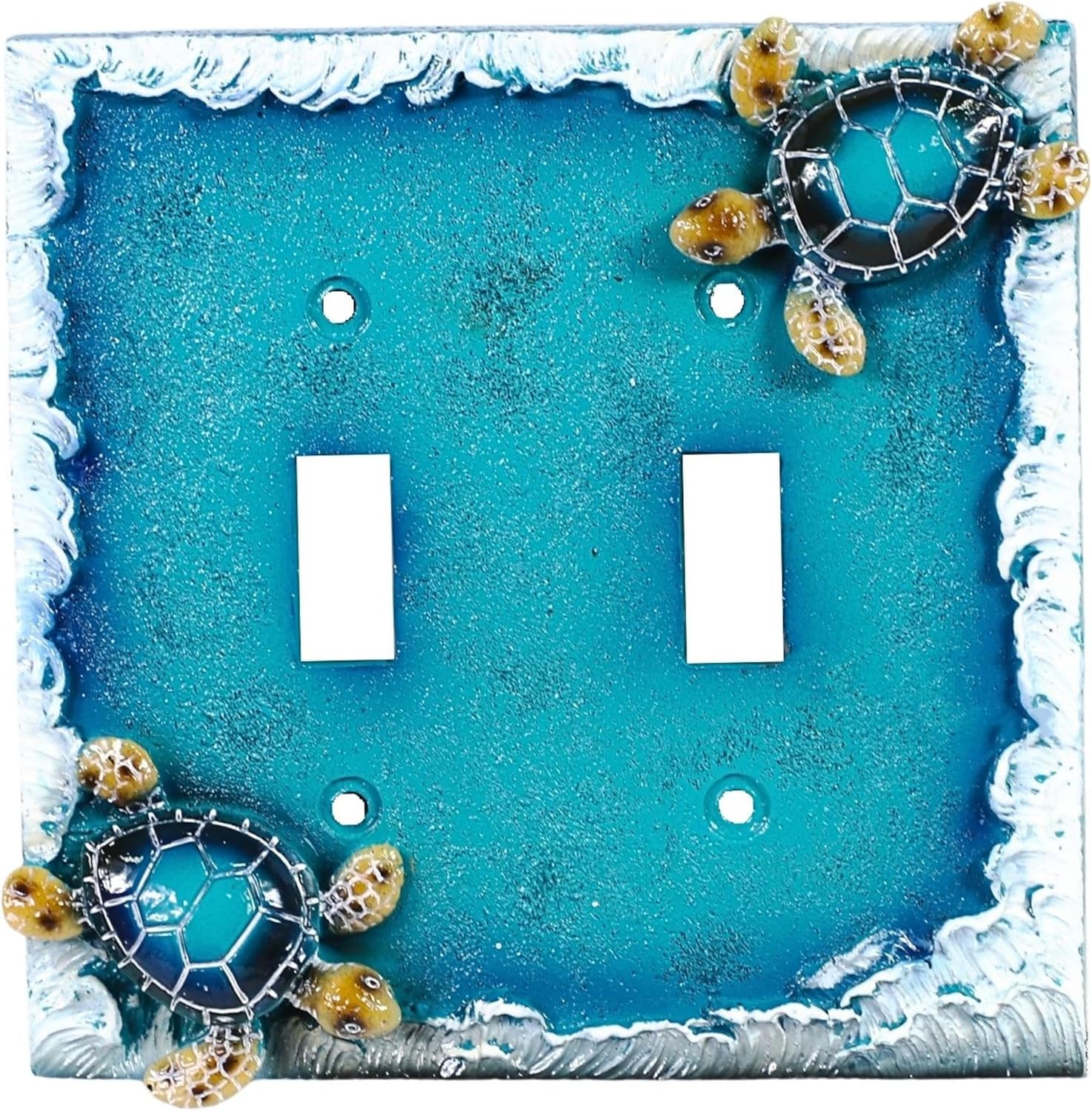
The BestGiftEver Nautical Double Toggle Switch Plate (2 Gang) follows the same decorative idea as the single-gang version but serves a busier wall layout. Its resin build and painted finish keep the coastal theme prominent, while the sea turtle and ocean wave artwork gives the plate a stronger visual footprint across two switches. The double configuration is the key buying point because it covers a broader opening without forcing you to combine separate pieces. Measured at 4.90 x 4.90 x 0.50 inches, it has a square format that suits a two-toggle setup cleanly.
The screw-in installation style and included screws keep the setup simple for an existing wall opening. That ease matters because decorative wall plates are usually purchased to refresh a room quickly, not to add complexity. The limitation is that this model is still a themed wall accessory, so it works best where the rest of the room supports the coastal look. The painted resin surface is an aesthetic choice first, so buyers who want a more understated plate or a true metal finish should look elsewhere. The styling is the main reason to choose it.
Compared with the single-gang version, this plate is the better visual fit when the wall opening is wider and the room design can handle a larger decorative element. Compared with the boating hardware in this roundup, it is not meant to solve performance, setback, or motor-height issues. That makes it ideal for someone who wants a coordinated nautical interior with a two-switch location that does not feel like an afterthought. For decorative use, it is the stronger pick when the wall needs more coverage and a bolder theme statement.
PHOTO: BestGiftEver Nautical Double Toggle – Nautical Double Toggle Plate → Source: Amazon.com
T-H Marine Z-Lock Manual Jack Plate
- Material Type
- Aluminum
- Load Capacity
- 8.5E+2 pounds
- Minimum Height
- 15 centimeters
- Item Dimensions
- 7 x 16 x 18 inches
Advantages
- Aircraft-grade aluminum
- 1/2-inch material thickness
- 5 inches vertical adjustment
- Supports up to 300 HP
- Multiple setback options
Limitations
- Setback must be chosen carefully
- Manual adjustment only
The T-H Marine Z-Lock Manual Jack Plate is the straightforward performance option in this group. It is built from aircraft-grade aluminum that is a full 1/2 inch thick, and that construction choice is aimed at stability as much as strength. The Z-Lock design is specifically meant to eliminate side slippage, which matters because a jack plate only works well when the engine stays where you set it. With support for V6 outboards up to 300 HP, it is sized for serious outboard setups rather than light-duty use.
The practical advantage is its 5 inches of vertical adjustment, which gives you enough range to refine engine height without stepping into hydraulic complexity. Available setbacks of 4, 6, 8, 10, and 12 inches let you match the plate to different boats, but that also means the buyer needs to know which setback suits the hull. The plate’s lighter, manual nature keeps the system simpler than a hydraulic model, yet the product information still advises confirming setback recommendations with the boat manufacturer or dealer. That caution is worth taking seriously because setup affects handling.
Compared with the hydraulic Bob’s Machine plate, this one trades convenience and lift range for a more basic manual design. Compared with the Camoo plate, it is far more serious hardware for higher-horsepower engines and a wider performance envelope. That makes it the right choice for buyers who want a durable, adjustment-capable plate without the added plumbing and electrical components of hydraulic gear. For many outboard owners, that balance is the sweet spot. It is the best manual performance option here because it keeps the system strong, direct, and comparatively uncomplicated.
PHOTO: T-H Marine Z-Lock Manual – Manual Jack Plate → Source: Amazon.com
Bob’s Machine 6 Inch Hydraulic Jack Plate
- Load Capacity
- 23 kg
- Item Weight
- 23 kg
- Item Dimensions
- 6.02 x 16.73 x 13.78 inches
- Material Type
- Metal
Advantages
- Internal hydraulic pump
- 7.5 inches total lift
- Supports up to 300 HP
- Includes wiring harness
- Pre-drilled dual side mounts
Limitations
- Heavy 52-pound unit
- More complex installation
Bob’s Machine 6 in Jac Plate 100-106010, 6 in Setback – Rated up to 300 HP is the most feature-rich marine plate in the lineup. Its integrated internal hydraulic pump removes the need for a separate pump mount, which is a real advantage when you want a cleaner rigging layout inside the boat. The one-piece 6-inch setback design combines 1.5 inches of built-in lift with 6 inches of adjustable travel for 7.5 inches of total lift. That range gives you more control over engine placement than a manual plate, and it does so in a single package built for motors up to 300 HP and up to 625 lb.
The included wiring harness, relays, and rocker-style switch reduce the number of missing pieces a buyer has to source separately. That is important because hydraulic systems become much harder to evaluate when the install kit is incomplete. The plate also weighs 52 lb, so it is not a casual add-on. The mass reflects the hardware involved and the strength expected from a hydraulic jack plate. Automotive-style grease fittings simplify lubrication, and the pre-drilled setup for dual side mount brackets adds rigging flexibility if you are building out a more complex transom.
Against the T-H Marine manual plate, this one clearly prioritizes convenience and adjustment range over simplicity. Against the Camoo model, it is in a much heavier-duty league and is built for larger, stronger outboards. The decisive tradeoff is cost and installation complexity versus precision and integrated design. Buyers who want the most control over engine height and are comfortable with a more involved system should put this at the top of the list. It is the best choice when the goal is maximum adjustability and a cleaner hydraulic package, not minimal setup.
PHOTO: Bob’s Machine 6 Inch – Hydraulic Jack Plate → Source: Amazon.com
Musiclily Pro Steel Jack Socket Plate
- Material Type
- Alloy Steel
- Color
- Nickel
- Guitar Bridge System
- Tremolo
Advantages
- Steel construction
- 10mm jack hole
- 70mm screw spacing
- Includes mounting screws
- Compact body size
Limitations
- Guitar use only
- No marine application
The Musiclily Pro Steel Boat Shape Jack Socket Plate 10mm Hole, Nickel belongs in a completely different category, but it is still a valid jack plate. It is designed for Strat style electric guitar use, so the useful comparison is not with marine hardware but with other instrument parts that secure a jack connection cleanly. The steel construction gives it a more rigid feel than decorative plates, and the nickel color keeps it visually neutral on a guitar body. The 10mm jack hole and 70mm screw spacing are the numbers that matter most because fit is what determines whether a replacement works at all.
Its 3.17 x 1.24 x 0.65 inch size is compact, which helps it sit neatly on the instrument without drawing attention away from the guitar itself. The boat-shaped form is functional in the sense that it is easy to install or remove, and the included mounting screws reduce the odds of ending up short on small parts during a repair. The limitation is obvious to any buyer searching this category: it is not marine hardware and has no role in boat setup, setback, or engine control. Its value depends entirely on guitar compatibility.
Compared with the two decorative wall plates, this one is the only product here that serves a true jack socket function, but for an instrument instead of a boat. Compared with the marine jack plates, it is smaller, simpler, and far less expensive because its job is just to secure a jack connection. That makes it the right choice for a Strat-style guitar owner who wants a durable replacement plate with known dimensions and a straightforward fit. It is not relevant to outboard performance, but within its actual category, it is the clear practical pick.
PHOTO: Musiclily Pro Steel Jack – Boat-Shaped Jack Socket → Source: Amazon.com
Camoo MJ-1-DP 4-Inch Setback Plate
- Load Capacity
- 1.5E+2 pounds
- Maximum Lifting Height
- 4 inches
- Material Type
- Cast Aluminum, Marine Grade Transom Block
- Compatible with Vehicle Type
- Skiffs, Aluminum Boats, Inflatables
- Manufacturer Warranty Description
- 12 months warranty
Advantages
- Up to 35 HP
- 4-inch setback
- Includes wooden block
- Cast aluminum bracket
- 12-month warranty
Limitations
- Low horsepower limit
- Manual adjustment only
The Camoo MJ-1-DP Jack Plate 4” Setback Small Engine Jack Plate for Outboard Motors Up to 35HP (Wooden Mounting Block Included) Manual Add Distance Between Engine and Transom is the most approachable marine option in the group. It is designed for clamp-on mount outboards up to 35 HP, which narrows the audience to smaller boats, skiffs, aluminum boats, and inflatables. The 4-inch setback and 3-inch vertical offset are the practical details here because they change how the engine sits relative to the transom. For a small boat with a long shaft motor that needs better mounting geometry, that adjustment can be the whole reason to buy a jack plate.
The included marine-grade wooden mounting block is a meaningful addition because it supports a firmer, more reliable installation. The cast aluminum bracket is paired with pre-cut and pre-grooved wood, so this is not just a plate in isolation. Hole positions are described as consistent and accurately marked, which should make the drill-and-install process more manageable. The load capacity is 150 lb, so the buyer still needs to stay within the modest limits of the design. That restraint is part of what keeps the plate appropriate for lightweight rigs rather than larger outboard setups.
Compared with the T-H Marine plate, this model is much more specialized for small engines and lighter transoms. Compared with Bob’s Machine hydraulic plate, it sacrifices lift range and power capacity in exchange for a lower-cost, simpler setup that makes sense for compact boats. The 12-month warranty adds some reassurance, but the real draw is the combination of price, included block, and small-engine fit. If your boat is in the sub-35 HP class and you want a straightforward way to add setback without overbuilding the transom, this is the most sensible marine choice in the roundup.
PHOTO: Camoo MJ-1-DP 4-Inch Setback – Jack Plate With Blocks → Source: Amazon.com
How to Choose a Jack Plate
A jack plate changes more than engine height. It can alter setback, improve propeller placement, and give you enough adjustment to tune handling for load, water depth, and running conditions. The right model depends on the motor size you are supporting, how much adjustment you actually need, and how much installation complexity you are willing to accept. For small boats, a simple manual offset plate may be enough. For heavier or faster rigs, a hydraulic design can justify its cost by giving you more control at the transom.
Setback and Hull Fit
Setback is one of the first numbers to check because it controls how far the engine sits behind the transom. A little setback can improve leverage and help the prop run in cleaner water, but too much can change handling in ways you may not want. The right distance depends on hull design, engine weight, and the kind of boating you do most often. Small boats usually need less aggression here, while performance rigs may benefit from more room to fine-tune the motor position.
Horsepower and Weight
Motor rating matters because a jack plate is only useful if it is built for the engine you plan to hang on it. Always compare horsepower and weight capacity together. A plate may support the horsepower number but still be a poor fit if the motor mass exceeds what the structure was meant to carry. Staying within the rated envelope protects the transom, preserves steering feel, and reduces the chance that adjustment hardware becomes a weak point in the boat.
Manual or Hydraulic
Manual plates keep the system simple. They are often lighter, less expensive, and easier to understand, but they only give you static adjustment. Hydraulic plates cost more and usually add weight, wiring, and more installation steps, yet they let you change engine height with much more flexibility. If you fish different water depths or switch between load conditions often, that extra control can be worth it. If you set your boat once and rarely touch it, a manual design may be enough.
Installation Complexity
Installation effort should match your comfort level and the rest of your rigging plan. Some jack plates arrive with wiring, relays, switches, or mounting aids that reduce the number of separate parts you must source. Others are simpler but leave more work to the installer. Also think about whether you need a wooden mounting block, side mount brackets, or transom-specific hardware. A cleaner install is not just convenient. It can also make future maintenance easier and reduce clutter around the transom.
Materials and Durability
Material choice affects long-term confidence as much as it affects weight. Aluminum is common because it balances strength and corrosion resistance for marine use. Thicker sections and reinforced designs tend to feel more stable when the engine is under load. For decorative wall plates, resin is suitable because the priority is appearance rather than structure. For a true jack plate, the frame needs to do real mechanical work, so build quality and support features matter more than cosmetic finish.
Warranty and Support
A warranty does not tell you everything, but it does signal how much support a buyer can expect after installation. That matters more with hydraulic or higher-cost systems because the consequences of a problem are greater. Shorter or absent coverage does not automatically make a product bad, but it does mean you should be more careful about fit and installation. For marine hardware, proper setup and confirmation of compatibility are still more important than a long promise on paper.
Jack Plate Comparison Table
| Product | Best For | Material | Load | Dims | Fit | Color |
|---|---|---|---|---|---|---|
| BestGiftEver Nautical Single Rocker Switch Plate | Best Decorative Pick | Resin | Not Specified | Not Specified | Not Specified | Multi |
| BestGiftEver Nautical Double Toggle Plate | Best Double-Gang Decor | Resin | Not Specified | Not Specified | Not Specified | Multi |
| T-H Marine Z-Lock Manual Jack Plate | Best Manual Performance Pick | Aluminum | 8.5E+2 pounds | 7 x 16 x 18 inches | RV | Black |
| Bob’s Machine 6 Inch Hydraulic Jack Plate | Best Hydraulic Upgrade | Metal | 23 kg | 6.02 x 16.73 x 13.78 inches | Car | Silver |
| Musiclily Pro Steel Jack Socket Plate | Best Guitar Hardware | Alloy Steel | Not Specified | 3.17 x 1.24 x 0.65 inches | Not Specified | Nickel |
| Camoo MJ-1-DP 4-Inch Setback Plate | Best Small-Boat Option | Cast Aluminum, Marine Grade Transom Block | 1.5E+2 pounds | 16.61 x 12.79 x 4 inches | Skiffs, Aluminum Boats, Inflatables | Silver |
How We Tested & Analyzed Sea Star Jack Plate
This roundup was built around category-relevant purchase factors rather than brand reputation alone. For decorative wall plates, the emphasis was on material, opening configuration, mounting method, and physical size because those are the details that determine whether the piece suits a room and installs cleanly. For marine jack plates, the evaluation centered on setback, adjustment range, load support, engine compatibility, and how much rigging complexity each design introduces. That keeps the recommendations tied to actual ownership consequences instead of surface-level feature lists.
Comparisons were made by separating products into their correct use cases first, then judging which hardware was most complete within that role. A smaller clamp-on plate, a heavier manual performance plate, and a hydraulic unit solve different problems, so they were not treated as interchangeable. The same approach was applied to the decorative and instrument plates. That distinction matters because a buyer needs to know when a product is the right tool for the job and when it is simply a similar-looking item with no practical overlap.
Limitations in the available facts were handled conservatively. When a product record did not clearly support a claim about finish performance, corrosion behavior, installation hardware beyond what was listed, or long-term serviceability, that claim was left out. The result is a guide that focuses on what can be verified and on the consequences those facts create for buyers. It is better to be precise about fit, function, and tradeoffs than to stretch a product into a use case it was not documented to cover.
Frequently Asked Questions
What does setback change on a jack plate?
Setback moves the engine farther behind the transom. That can improve leverage and help the propeller run in cleaner water, but it can also change how the boat handles. The right amount depends on hull design, engine weight, and the kind of water you run most often.
Should I choose manual or hydraulic adjustment?
Choose manual if you want a simpler, usually lighter system and you do not expect to change engine height often. Choose hydraulic if you want on-the-fly control and more flexibility for changing water depth, load, or running conditions. Hydraulic systems usually cost more and add installation complexity.
Why does horsepower rating matter so much?
Horsepower rating is a basic safety and fit check. A plate built for a smaller motor may not have the structural margin needed for a larger one. Matching the rating to the engine helps protect the transom, keeps the hardware working within its intended range, and reduces the chance of poor handling.
What should I check before installation?
Check the engine weight, transom compatibility, mounting width, and whether the plate needs extra parts such as wiring, relays, or a wooden block. It is also smart to confirm the setback recommendation for your hull before drilling. That prevents an expensive mismatch and makes the final setup more predictable.
Final Thoughts
The best jack plate is the one that matches your boat’s real needs instead of the biggest number on the page. Small craft usually benefit from a compact manual offset plate, while more serious performance boats can justify a stronger manual unit or a hydraulic system with broader adjustment. Decorative wall plates and guitar hardware may share the phrase jack plate, but they belong in completely different buying decisions, so it is worth keeping the category straight before you order.
For marine use, the strongest choices come down to capacity, adjustment range, and installation complexity. If you want simplicity, stay with a manual plate sized to your engine. If you want the most control and are prepared for a more involved install, a hydraulic design is the premium route. Once those priorities are clear, the right choice becomes much easier to see, and you can buy with confidence instead of guessing at fit.



