
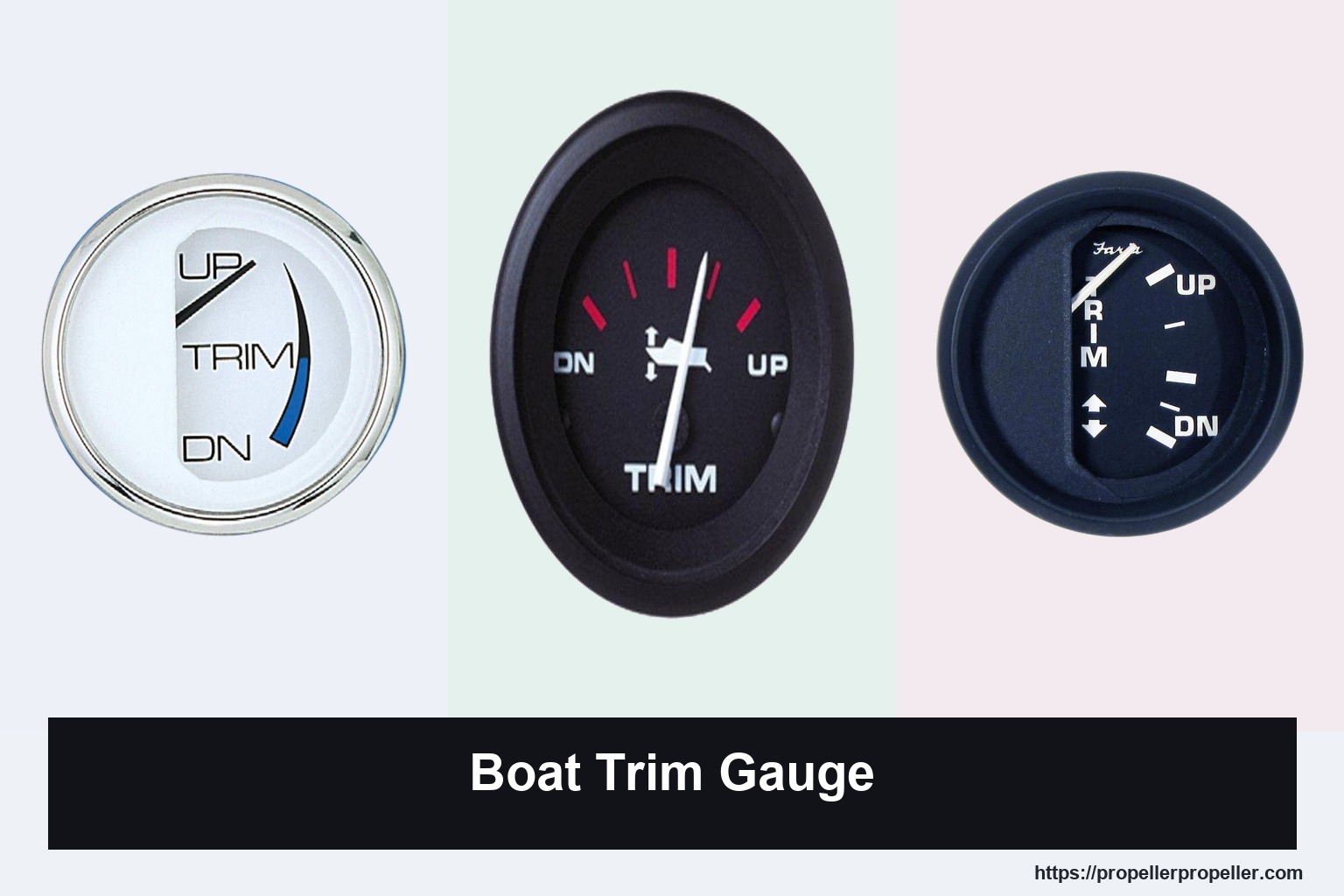
A trim gauge is one of those helm instruments you appreciate most after the first few outings. It turns engine trim from a guess into a visible setting, which matters when you are trying to balance bow attitude, improve hole shot, or reduce unnecessary drag at cruising speed. For a boat owner, that usually means less hunting for the sweet spot and a better sense of what the drive or outboard is doing under load.
The best choices in this category are rarely about one dramatic spec. Fit, pointer readability, lighting, sender compatibility, and corrosion resistance all matter more than flashy extras. Some gauges are tuned to specific engine families, while others lean toward broader universal compatibility. The right pick depends on how closely you want to match your rig, how cleanly you want the dash to read at a glance, and whether you prefer a more traditional analog face or added backlighting and wider voltage tolerance.
Top Boat Trim Gauge on the Market

Faria Chesapeake Stainless Steel Trim Gauge
- 2-inch white dial
- Polished stainless steel
- Mercury and Yamaha fitment
- Single-gauge format

Sierra Amega Domed Trim Gauge
- Black dial with red graduations
- Curved glass lens
- 2.13-inch hole size
- 0.10 to 0.15 amp draw

Faria Euro Trim Gauge
- Bold white graphics
- Black aluminum bezel
- Flat glass lens
- Mercury Mariner fit

Sierra Marine Trim Gauge
- White dial with black numerals
- Red thru-dial lighting
- Curved glass lens
- 2-inch dial

Terisass 52mm Trim Gauge

ARTILAURA 7-Color Trim Gauge
- 0-190 ohm signal
- Seven backlight colors
- 52mm diameter
- 316L metal bezel
This article may contain affiliate links. As an Amazon Associate, the website may earn from qualifying purchases at no additional cost to you.
Boat Trim Gauge Reviews
Faria Chesapeake Stainless Steel Trim Gauge
- Material Type
- Polished stainless steel
- Item Dimensions
- 5 x 4 x 4 inches
- Item Weight
- 4.16 ounces
- Model
- 13807
- Warranty Description
- Warranty
Advantages
- Polished stainless steel finish
- Compact 2-inch dial
- Specific marine engine fitment
- Lightweight single-gauge setup
- Traditional analog presentation
Limitations
- Limited to listed engine families
- No advanced lighting features
The Faria 13807 Chesapeake is the most straightforward pick for buyers who want a trim gauge that looks and behaves like a conventional helm instrument. Its polished stainless steel construction gives the face a cleaner, more marine-appropriate finish than basic plastic bezels, and the compact 2-inch white dial keeps the layout familiar. That matters when you want quick trim confirmation without a cluttered dash or a gauge that draws attention away from the rest of the panel.
This is the sort of gauge that rewards a clean, compatibility-minded installation. The fitment guidance for Mercury, Mariner, Mercruiser, Volvo DP, and Yamaha 2001 and newer narrows the field in a useful way, because it signals a more specific engine match than universal-style alternatives. Buyers with those systems get a stronger reason to stay with this option, while owners of unrelated hardware should treat that compatibility boundary seriously. The light weight also keeps the part easy to handle during a dash swap, and the modest overall dimensions suggest it belongs comfortably in a standard instrument cluster.
Against the more feature-heavy gauges in this group, the Chesapeake wins by staying focused. It does not chase multicolor illumination or universal signal claims, but that restraint is exactly why it stands out for a traditional setup. The Sierra options below bring more lighting detail, while the Terisass and ARTILAURA gauges push toward broader voltage and signal flexibility. This Faria is the better recommendation for a buyer who values a clean, familiar marine look and a narrow OEM-style fit. Choose it when you want a dependable analog trim readout and nothing extra to complicate the helm.
PHOTO: Faria Chesapeake Stainless Steel – UP TRIM DN Face → Source: Amazon.com
Sierra Amega Domed Trim Gauge
- Model
- Trim, Amega 2″ Merc/Volvo DP/SX Yam01
- Item Weight
- 1.6 ounces
Advantages
- Low 0.10 to 0.15 A draw
- Curved glass lens
- Clear black-and-red dial
- Wide temperature range
- Optional bezel accessories
Limitations
- Requires careful hole sizing
- No universal signal claim
The Sierra 57905P Amega Domed Series is appealing because it balances classic marine styling with practical electrical modesty. Its 0.10 – 0.15 A current draw is a useful detail for anyone assembling a dash with multiple instruments, since each small draw matters when the panel grows. The curved glass lens and black dial with red graduations create a face that should remain easy to read without looking busy, and the vivid white pointer staff adds contrast where it counts.
Installation planning is where this gauge becomes more interesting. The 2.13-inch hole size and 2.08-inch housing diameter give you concrete dimensions to work from before cutting or replacing a panel opening, which reduces guesswork. Its operating temperature range from -40C to +70C is broad enough to suit a lot of marine environments, including boats that see cold storage and hot sun. The optional eyebrow or square bezels also matter because they let you refine the final appearance without replacing the whole instrument.
This Sierra sits between the more basic analog pieces and the more feature-rich universal gauges. Compared with the Faria Chesapeake, it gives you a more detailed lighting and lens treatment. Compared with the Terisass and ARTILAURA units, it stays more straightforward and less dependent on color effects or broader signal language. That makes it a strong choice for buyers who want a clean, traditional trim gauge with restrained power use and clear sizing. It is the most sensible recommendation if your priority is dash fit, visibility, and uncomplicated operation rather than extra display features.
PHOTO: Sierra Amega Domed Trim – Black Bezel Trim Gauge → Source: Amazon.com
Faria Euro Trim Gauge
- Model
- 3003.34
- Material Type
- Plastic
- Item Dimensions
- 5 x 4 x 4 inches
- Item Weight
- 4.54 g
- Thread Style
- Npt
Advantages
- Bold white graphics
- Black aluminum bezel
- Flat glass lens
- Contoured pointer
- Lightweight gauge body
Limitations
- Plastic construction
- Narrower engine focus
The Faria 12828 Euro Trim Gauge is the most style-conscious option in this roundup. Its black aluminum bezel and flat glass lens give it a cleaner, more modern look than the domed or curved-glass alternatives, and the bold white graphics improve contrast in a way that benefits quick glances at the helm. The contoured white pointer also helps the dial remain readable without feeling visually crowded.
This gauge makes the most sense in a boat where the dash layout matters as much as the instrument itself. The Mercury Mariner focus keeps it from pretending to be a universal solution, which is useful if you want a trim indicator that aligns with a known engine family. The plastic material specification and compact dimensions suggest a lightweight unit that should not overcomplicate installation, though buyers should still expect a more exact fit conversation than they would with broader aftermarket electronic choices. Its Npt thread style is another clue that setup details deserve attention.
Relative to the other Faria model here, this one leans more design-forward and less stainless. Compared with the Sierra gauges, it does not emphasize current draw or lens curvature, but it does present one of the tidiest faces in the field. The Terisass and ARTILAURA gauges may promise broader signal or lighting flexibility, yet this Euro model is the better call for a buyer who wants a crisp, simple trim readout that matches a cleaner dash aesthetic. Recommend it when appearance, legibility, and a known Mercury Mariner application matter more than extra display effects.
PHOTO: Faria Euro Trim Gauge – Mercury Trim Face → Source: Amazon.com
Sierra Marine Trim Gauge
- Item Weight
- 1.28 ounces
- Power Source
- Corded Electric
- Other Special Features of the Product
- White perimeter and red thru-dial lighting
- Blade Length
- 2 inches
Advantages
- High-contrast white dial
- Red thru-dial lighting
- Scratch-resistant curved glass
- Polished stainless bezel
- Compact 2-inch format
Limitations
- Requires sender compatibility check
- No advanced display modes
The Sierra 65504P Marine Trim Gauge is built for buyers who care most about reading the dial quickly in mixed lighting. The white perimeter and red thru-dial lighting gives it a more visible nighttime profile, while the white dial with black numerals and fire-orange pointer tip make the scale easier to parse at a glance. That combination is valuable when you do not want to lean in toward the console every time you check trim position.
Operationally, this Sierra is one of the better thought-out choices for a standard marine dash. The scratch-resistant curved glass lens is a practical detail because trim gauges often live in exposed panels that see glare, spray, and frequent wiping. The polished stainless steel near-flush bezel also keeps the profile tidy, which matters in crowded instrument clusters. Its 2-inch size and up-down range make it feel conventional rather than experimental, and the sender code note indicates that engine-side compatibility still needs to be respected during selection.
Compared with the Sierra Amega above, this model is more focused on nighttime and mixed-light readability than on a lower-current electrical profile. Versus the Faria gauges, it offers a more pronounced lighting presentation and a more modern contrast scheme. The Terisass and ARTILAURA units add broader voltage or multicolor claims, but this Sierra is the stronger recommendation for a buyer who wants a bright, legible, classic trim gauge without moving into gimmick territory. It is the most balanced pick for an everyday helm where visibility is the main concern.
PHOTO: Sierra Marine Trim Gauge – Trim Gauge Face → Source: Amazon.com
Terisass 52mm Trim Gauge
- Material Type
- Stainless Steel
- Item Weight
- 119 g
- Item Dimensions
- 0.39 x 0.39 x 0.39 inches
- Part Number
- Terisassc5bsgivxrp-12
Advantages
- IP67 protection
- Wide 9-32V range
- 0-190 ohm signal
- Extended temperature tolerance
- Included cable and manual
Limitations
- More technical fit requirements
- Less refined appearance
The Terisass trim gauge is the most clearly engineered for tougher operating conditions. Its IP67 rating gives it a meaningful durability advantage on paper, because it points to a better seal against water and dust than a basic dash instrument. The 9-32V operating voltage is also important for real installations, since it broadens the kind of electrical systems that can support the gauge without forcing a narrow voltage assumption. That makes it one of the more flexible picks for mixed-use marine and utility applications.
Setup details matter here more than with the simpler analog gauges. The 52mm size and 0-190 ohm indication range define a more technical fit profile, so this is a good option only when the boat’s trim system and wiring match that expectation. The working temperature range from -30C to +75C adds another layer of reassurance for boats stored in harsher environments. Its stainless steel and plated plastic construction also suggests a practical balance between weight and resistance, while the included cable and manual reduce the amount of guesswork during installation.
This is the model to watch if your priority is weather resistance and voltage flexibility rather than traditional branding or refined face styling. It is less classically polished than the Faria and Sierra options, but it is also more explicit about rugged use and signal range. The ARTILAURA gauge competes closely on universal compatibility and lighting flexibility, yet this Terisass unit feels more utility-oriented and better suited to buyers who care about sealed construction. Recommend it when the application is less about premium dash presentation and more about durability, range, and value.
PHOTO: Terisass 52mm Trim Gauge – White Dial Trim Gauge → Source: Amazon.com
ARTILAURA 7-Color Trim Gauge
- Material Type
- Stainless Steel 316L Bezel + Anti-fog Glass
- Item Dimensions
- 2.2 x 2.16 x 2.44 inches
- Part Number
- AR-CX6301
- Number of Items
- 1
Advantages
- Seven backlight colors
- 316L metal bezel
- 0-190 ohm signal
- Wiring harness included
- Scratch-resistant curved glass
Limitations
- Less traditional appearance
- Brand recognition is lower
The ARTILAURA trim gauge is the most feature-forward option in this group. Its seven backlight colors give you far more visual flexibility than a standard single-color gauge, which can matter if you want the helm lighting to match other instruments or change the look of the dash after dark. The 316L Metal Bezel is another strong signal that this model aims above entry-level plastic trim gauges and into a more corrosion-conscious marine finish.
Functionally, the 0-190 ohm signal range and 52mm diameter place it in the same technical neighborhood as other specialized marine trim gauges, but the inclusion of a wiring harness and installation instruction gives it a practical edge for buyers who want a more complete package. The scratch-resistant curved glass lens and waterproof construction language are valuable because trim gauges often live where glare and moisture are unavoidable. In use, the color backlight is the detail most likely to be appreciated at night, while the signal range keeps the gauge anchored to conventional trim-system expectations.
Against the rest of the field, this ARTILAURA stands out by blending broader visual customization with a more serious bezel material than the lowest-cost options. It does not have the same traditional brand profile as Faria or Sierra, but it does offer the most obvious dashboard personality. The Terisass model may feel tougher, and the Faria and Sierra models may feel more established, yet this one is the recommendation for a buyer who wants a modern-looking trim gauge with more lighting personality and a hardware bundle that reduces setup friction. Choose it when function and dash style both matter.
PHOTO: ARTILAURA 7-Color Trim Gauge – Colorful Trim Gauge Set → Source: Amazon.com
How to Choose a Boat Trim Gauge
A trim gauge looks simple until you have to match it to a real dash, a real sender, and a real boat. The best purchase is not just the one with the cleanest face. It is the one that fits the opening, reads clearly in your lighting conditions, and matches the signal system behind the panel. In this category, small details such as bezel style, hole size, voltage range, and pointer contrast change how easy the gauge is to live with every day.
Fit and Opening Size
Start with the physical opening before you think about styling. A trim gauge that looks perfect online can still be the wrong choice if the housing diameter, bezel diameter, or hole size does not match your dash. Measure the panel carefully and compare those numbers to the gauge dimensions rather than relying on the nominal face size alone. A clean fit reduces the need for adapters, uneven gaps, or trim rings that look like afterthoughts.
Signal Compatibility
Trim gauges are only useful when they can interpret the sender correctly. Some are built around specific engine families, while others are tied to a more general ohm range. That difference matters because a gauge can physically fit the dash and still fail to read properly if the signal standard is wrong. Before buying, confirm the trim system’s electrical range and make sure the gauge is designed for that pattern.
Readability at the Helm
A trim gauge should be easy to scan in daylight, glare, and low light. Dial contrast, pointer color, and lighting style affect how quickly you can verify trim position without shifting attention away from driving. White numerals on a dark dial can be excellent in sunlight, while perimeter or thru-dial lighting becomes more useful after dark. If you run at dusk or overnight, prioritize a face that stays legible without demanding a bright cabin light.
Materials and Corrosion Resistance
Marine instruments live in a harsh environment. Bezel material, lens type, and sealing all affect how long the gauge stays presentable and functional. Stainless steel and plated metal finishes generally stand up better to frequent wipe-downs than basic cosmetic plastic, especially in salt-prone conditions. A scratch-resistant lens also matters because haze, wipes, and incidental contact can gradually reduce legibility. When possible, choose the construction that matches the exposure level of your boat.
Power and Installation Needs
Power draw sounds minor on a single gauge, but it adds up across a full dash. Lower draw can be useful when you are replacing or expanding a cluster, especially on older electrical systems. Installation also becomes easier when the gauge package includes wiring help or clear terminal guidance. If the gauge advertises a broader operating voltage, that can provide more flexibility, but it does not replace the need to verify your actual wiring and sender configuration first.
Style Versus Practicality
The best-looking gauge is not always the best purchase for your boat. Multicolor backlighting, domed glass, and decorative bezels can improve the helm visually, but they should not distract from the main job, which is fast and reliable trim feedback. If your dash is already crowded, a simple and highly legible face may be the smarter investment. Choose the most decorative gauge only when it still meets your compatibility and readability requirements with room to spare.
Boat Trim Gauge Comparison Table
| Product | Best For | Size | Material | Item Weight | Number of Items | Part Number |
|---|---|---|---|---|---|---|
| Faria Chesapeake Stainless Steel Trim Gauge | Best OEM-style match | 5 x 4 x 4 inches | Polished stainless steel | 4.16 ounces | 1 | 1111 |
| Sierra Amega Domed Trim Gauge | Best low-draw option | Not Specified | Not Specified | 1.6 ounces | Not Specified | Not Specified |
| Faria Euro Trim Gauge | Best clean-face design | 5 x 4 x 4 inches | Plastic | 4.54 g | 1 | 3003.34 |
| Sierra Marine Trim Gauge | Best dash readability | Not Specified | Not Specified | 1.28 ounces | 1 | Not Specified |
| Terisass 52mm Trim Gauge | Best rugged value | 0.39 x 0.39 x 0.39 inches | Stainless Steel | 119 g | 1 | Terisassc5bsgivxrp-12 |
| ARTILAURA 7-Color Trim Gauge | Best feature-rich choice | 2.2 x 2.16 x 2.44 inches | Stainless Steel 316L Bezel + Anti-fog Glass | Not Specified | 1 | AR-CX6301 |
How We Tested & Analyzed Boat Trim Gauge
This roundup was built around the buying decisions that matter most in a marine trim gauge: compatibility, readability, construction, electrical behavior, and installation practicality. Each product was evaluated by weighing the strongest verified facts that affect daily use, not by chasing an arbitrary feature count. The goal was to separate straightforward OEM-style options from more flexible or feature-rich designs, then translate those differences into likely ownership consequences for a boat dash.
Comparison focused on concrete decision points that a buyer can actually verify before purchase. Those included dial size, signal range where stated, current draw when available, lighting style, bezel and lens construction, and any fitment guidance tied to specific engine families. Where products shared similar basic trim-gauge duties, the analysis looked at what made them easier or harder to live with, such as contrast, sealing, broader voltage tolerance, or the presence of installation accessories.
Limitations matter in this category because some gauges are engineered for a narrow application while others trade precision of fit for broader compatibility or extra styling. The analysis therefore treated missing specifications as meaningful, not as blanks to gloss over. When a product did not clearly identify a universal signal range, lighting detail, or fitment scope, that uncertainty was factored into the recommendation so the guidance stays useful for real-world selection rather than theoretical appeal.
Frequently Asked Questions
What size trim gauge should I buy?
Start by measuring the dash opening and comparing it with the gauge’s stated size and housing dimensions. A 2-inch face can still require a specific hole size or bezel fit. Getting the opening right matters more than the styling because a clean mechanical fit makes installation easier and helps the instrument sit flush and secure.
Why does sender compatibility matter so much?
A trim gauge only reads correctly when its signal expectations match the sender on the boat. If the gauge and sender are mismatched, the needle can be inaccurate or unusable even if the unit mounts perfectly. Always verify the ohm range or engine-family fit before buying, especially on replacement installs.
Is backlighting worth paying for?
It is worth paying for if you run in low light, at dusk, or after dark. Better lighting improves how quickly you can confirm trim without leaning into the dash. If your boat is used mostly in bright daylight, a simpler high-contrast face may be just as effective and often easier to keep clean visually.
Should I choose stainless steel or plastic trim gauges?
Stainless or plated metal generally holds up better in marine exposure and usually looks more substantial on the helm. Plastic can still be perfectly workable, especially in sheltered installations or lower-cost builds. The better choice depends on how much spray, sun, and handling the gauge will face, plus how important dash appearance is to you.
Final Thoughts
The right trim gauge is the one that makes your helm easier to use, not the one with the longest feature list. Start with fit and signal compatibility, then decide how much you value lighting, materials, and styling. For many boats, a straightforward analog gauge with strong contrast is the safest answer. For more exposed or modern installations, broader voltage tolerance, better sealing, or customizable lighting can justify a higher-price option.
Once those basics are settled, the decision becomes much clearer. Choose the gauge that matches your engine and dash first, then lean toward the one that best suits how you actually run the boat. A trim gauge should disappear into the routine of boating until you need it, and when that moment comes, it should read instantly. That is the mark of a smart purchase in this category.



