Keeping water out of the bilge is not optional. A pump that clears seepage quickly can reduce the time water sits around wiring, fittings, and hull hardware, which matters on everything from small fishing boats to cruisers with tighter engine-room access. The right choice is less about chasing the highest number on a box and more about matching flow, outlet size, power draw, and control style to the way your boat is actually used.
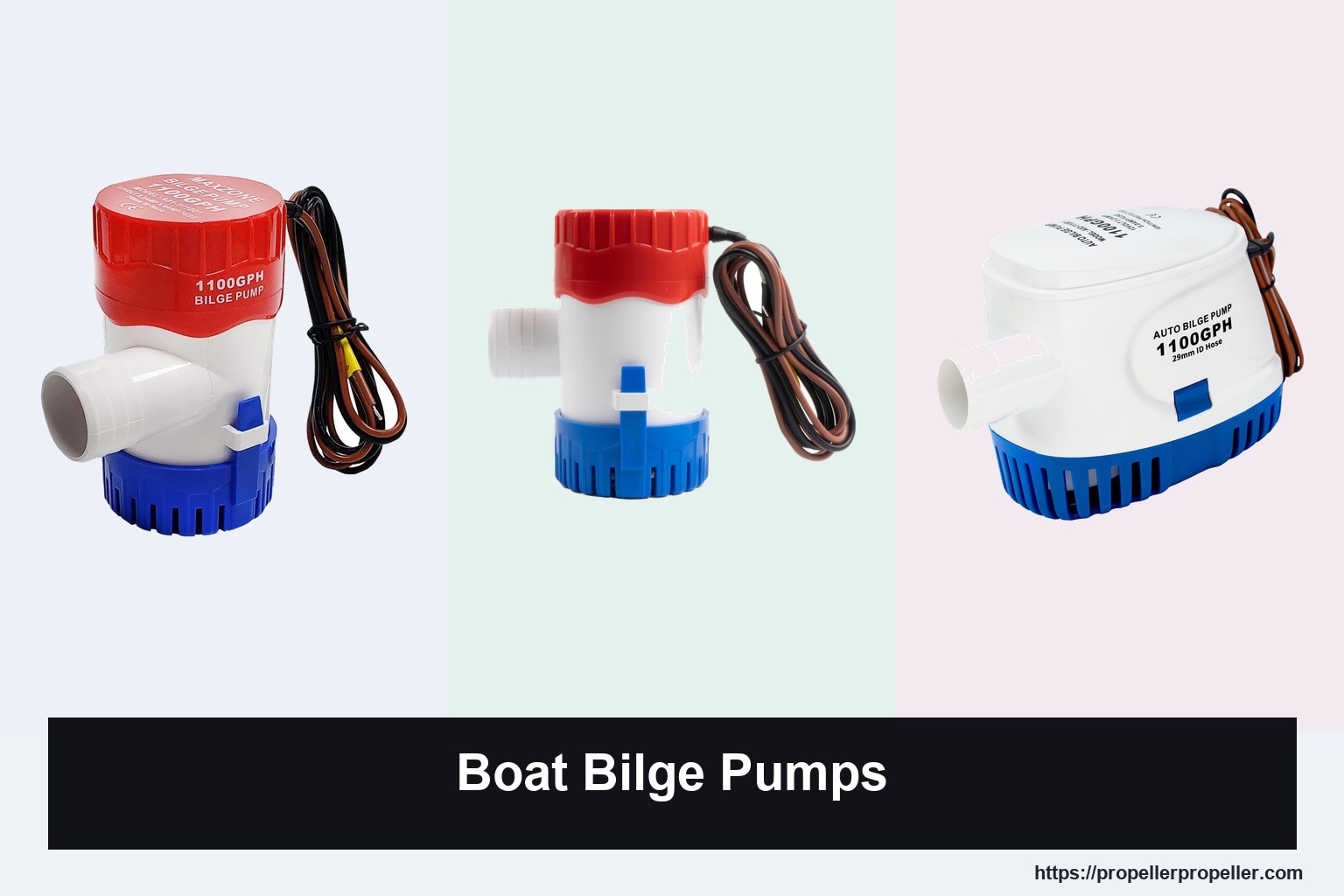
This roundup focuses on the practical differences that matter at purchase time. One pump is a simpler non-automatic option for buyers who want manual control and a lower entry price. Another adds compact installation details and maintenance-friendly construction. The third brings automatic float-switch operation for owners who want hands-off water management. Those tradeoffs decide whether a bilge pump becomes a reliable safeguard or just another piece of hardware you have to think about.
Top Boat Bilge Pumps on the Market

MAXZONE 1100GPH 12V Bilge Pump
- 1100 GPH flow rate
- 12 VDC power
- 13-foot max lift
- 1-1/8-inch outlet
- ABS and stainless steel

Sanuke 1100GPH Manual Bilge Pump
- 1100 GPH capacity
- 3.3-foot wire leads
- Anti-airlock protection
- Snap-on strainer base
- ABS and stainless steel

Sanuke 1100GPH Automatic Bilge Pump
- Built-in float switch
- Automatic and manual modes
- 1100 GPH flow rate
- 1-1/8-inch outlet
- Snap-off strainer base
This article may contain affiliate links. As an Amazon Associate, the website may earn from qualifying purchases at no additional cost to you.
Boat Bilge Pumps Reviews
MAXZONE 1100GPH 12V Bilge Pump
- Flow Rate
- 18.33 gpm
- Maximum Lifting Height
- 13 feet
- Voltage
- 12 volts_of_direct_current
- Material Type
- Acrylonitrile Butadiene Styrene, Stainless Steel
Advantages
- Lowest upfront cost
- Standard 1-1/8-inch outlet
- Compact footprint
- 12-volt DC operation
- ABS and stainless build
Limitations
- No automatic float switch
- Manual control required
The MAXZONE pump is the straightforward option for owners who want a basic 12-volt bilge pump without automatic switching. Its 1100 GPH flow rate and 13-foot maximum lifting height put it in the useful range for compact boats, where clearing seepage quickly matters more than chasing premium features. The 1-1/8-inch outlet also keeps it aligned with standard hose setups, which reduces the chance that the pump becomes the odd part in an otherwise simple plumbing run. At this price level, that combination is the main reason it stands out.
Installation stays uncomplicated because this is a non-automatic design. That means the boat owner controls when it runs, either directly or through whatever external switching arrangement is already in place. The tradeoff is clear. You do not get built-in water-level automation, so this pump depends on the rest of the system to decide when drainage should begin. Its compact size and light weight make it easier to fit into cramped spaces, and the ABS-plus-stainless construction is a sensible pairing for marine exposure where durability matters but cost still matters more.
Against the two Sanuke options, this model is the most stripped-down choice. It is the one to favor when you want the lowest-friction purchase, a known outlet size, and a pump that does one job without adding control complexity. That simplicity will not suit owners who want an automatic safeguard, but it does suit buyers replacing a basic manual pump or outfitting a small craft with direct control in mind. For those needs, it is the most economical recommendation in the group.
PHOTO: MAXZONE 1100GPH 12V Bilge – 1100GPH Bilge Pump → Source: Amazon.com
Sanuke 1100GPH Manual Bilge Pump
- Flow Rate
- 18.33 gpm
- Maximum Lifting Height
- 13 feet
- Voltage
- 12 volts
- Material Type
- Acrylonitrile Butadiene Styrene (ABS), Stainless Steel
Advantages
- Compact installation footprint
- 3.3-foot wire leads
- Snap-on strainer base
- Anti-airlock protection
- Standard hose compatibility
Limitations
- No built-in float switch
- Hose and switch not included
This Sanuke model targets buyers who want a manual bilge pump but care more about installation flexibility than the absolute lowest price. The 1100 GPH flow rate gives it the same core pumping capacity as the first pick, while the 3.3 ft wire leads and compact body help it fit into tighter bilge layouts. That matters on smaller boats and RV drainage setups where wire reach and physical clearance can turn a simple job into an annoying one. The pump also carries a 1-1/8-inch outlet, so it stays compatible with a standard hose path.
The design details are what separate it from a generic manual pump. The snap-on strainer base can be mounted separately, which makes removal for inspection or cleaning faster. The built-in anti-airlock protection is another useful refinement because air locks can interrupt evacuation exactly when a bilge system should be dependable. This is still a non-automatic pump, so it asks you to provide the switching logic elsewhere. That keeps the unit simple, but it also means the rest of the installation must be planned properly.
Relative to the MAXZONE pump, this Sanuke trades a lower starting price for more installation-oriented conveniences and maintenance access. Compared with the automatic Sanuke, it avoids float-switch complexity and the extra decision-making that comes with automatic control. The right buyer is someone who wants a compact manual pump with a few thoughtful mechanical details that reduce annoyance over time. If you want a non-automatic pump but prefer easier servicing and a more installation-friendly layout, this is the stronger pick.
PHOTO: Sanuke 1100GPH Manual Bilge – 1100GPH Bilge Pump → Source: Amazon.com
Sanuke 1100GPH Automatic Bilge Pump
- Flow Rate
- 1100 gpm
- Maximum Lifting Height
- 3 meters
- Material Type
- Acrylonitrile Butadiene Styrene (ABS), Stainless Steel
Advantages
- Built-in float switch
- Automatic and manual modes
- Compact installation size
- Snap-off strainer base
- Standard 1-1/8-inch outlet
Limitations
- Highest price here
- Hose and clamps not included
The automatic Sanuke is the clearest choice for owners who want the bilge system to manage itself. Its built-in float switch turns the pump on when water rises and shuts it off as the level falls, so you do not need a separate float switch to get automatic drainage. That is the key distinction here. The built-in float switch does the work that the manual pumps in this lineup leave to outside controls, and the automatic and manual modes add flexibility when you want override capability.
That control setup comes with practical consequences. Automatic switching reduces the chance that small amounts of water sit unattended, which is especially useful for boats stored in the water or used frequently. The 1-1/8-inch outlet keeps it compatible with common hose sizing, and the compact dimensions help it fit in limited bilge space. Maintenance is still approachable because the snap-off strainer base gives access for cleaning debris. One important setup note is that hose and clamps are not included, so the surrounding plumbing still has to be supplied and installed correctly.
Compared with the other two pumps, this is the most complete package for buyers who value unattended operation over the lowest purchase price. It costs more, but the added control logic can be worth it if you want the system to react on its own instead of relying on manual intervention. The best fit is the boat owner who wants a hands-off bilge safeguard with a standard outlet size and simple service access. Among these three, it is the strongest recommendation for automatic drainage.
PHOTO: Sanuke 1100GPH Automatic Bilge – Auto Bilge Pump → Source: Amazon.com
How to Choose Boat Bilge Pumps
A bilge pump should be chosen for the way you manage water, not just for its headline flow number. The most useful decisions usually come down to whether you want manual control or automatic switching, how much vertical lift your installation needs, and whether the outlet and physical size will work in a crowded bilge. Efficiency and reliability matter too, but they only matter when the pump fits the boat and can be serviced without turning maintenance into a project.
Flow and Lift
Flow rate tells you how quickly the pump can move water under ideal conditions, but actual performance depends on hose length, vertical lift, and restriction in the line. A pump with a strong headline number can still feel underpowered if it has to push water too high or through a narrow, awkward run. That is why lift rating matters just as much as flow. Matching those two figures to your bilge depth and discharge route is the difference between a pump that keeps up and one that only looks strong on paper.
Control Style
Manual pumps suit buyers who want direct control or already have a separate switch arrangement in the boat. Automatic pumps suit owners who want the system to react without being asked, which is especially helpful when water can accumulate while the boat is unattended. The tradeoff is simple. Manual setups are easier to understand and often cheaper, while automatic setups reduce day-to-day attention. Choose the one that matches how often you check the boat and how much peace of mind you want from the pump itself.
Fit and Clearance
Physical size matters more than many buyers expect. A compact body can make the difference between an easy installation and a pump that interferes with wiring, hoses, or access to the bilge. Check the listed dimensions and compare them with the space where the pump will sit, including room for the strainer and hose connection. If the installation is tight, a smaller footprint can also make future cleaning easier because you can remove the unit without dismantling nearby hardware.
Outlet and Plumbing
The outlet size has to match the rest of the system cleanly. A standard 1-1/8-inch outlet is common in this category, and that compatibility reduces the chance of extra adapters or awkward hose transitions. Even when the outlet is right, installation still depends on the surrounding parts. Hose, clamps, fusing, and switches may not be included, so you should confirm what else is needed before buying. A pump is only as reliable as the plumbing and electrical connections around it.
Materials and Maintenance
Marine use puts pumps in an environment where corrosion, grit, and vibration all matter. ABS housings and stainless steel components are useful because they balance toughness with resistance to everyday wear. Maintenance features are just as important as raw materials. A snap-off or removable strainer makes it easier to clear debris before it becomes a blockage. That can extend service life and lower the odds of being surprised by a pump that is technically installed but no longer moving water effectively.
Boat Bilge Pumps Comparison Table
| Product | Best For | Flow Rate | Max Lift | Voltage | Material | Item Weight |
|---|---|---|---|---|---|---|
| MAXZONE 1100GPH 12V Bilge Pump | Best Budget Pick | 18.33 gpm | 13 feet | 12 volts_of_direct_current | Acrylonitrile Butadiene Styrene, Stainless Steel | 14.1 ounces |
| Sanuke 1100GPH Manual Bilge Pump | Best Compact Choice | 18.33 gpm | 13 feet | 12 volts | Acrylonitrile Butadiene Styrene (ABS), Stainless Steel | 13.75 ounces |
| Sanuke 1100GPH Automatic Bilge Pump | Best Automatic Option | 1100 gpm | 3 meters | Not Specified | Acrylonitrile Butadiene Styrene (ABS), Stainless Steel | 0.55 kg |
How We Tested & Analyzed Boat Bilge Pumps
This guide was built around the purchase decisions that matter most in bilge systems: water-moving capacity, lift, control method, physical fit, outlet compatibility, and maintenance access. Those factors shape whether a pump can be installed cleanly and relied on when water starts collecting. The comparison also weighed the practical consequences of automatic versus manual operation, because that difference changes how much attention the boat owner must give the system over time.
Each recommendation was judged by how well its verified features support a real boat-installation use case. Strong headline flow numbers matter, but only when they are paired with meaningful details such as outlet size, wiring length, compact dimensions, or service-friendly construction. When a product had a narrower feature set, the analysis stayed focused on what that set actually accomplishes, rather than trying to inflate it with unsupported claims.
The limits of bilge pump shopping are important to keep in view. A specification sheet cannot tell you everything about hose routing, electrical provisioning, or the condition of the bilge where the pump will live. For that reason, the guidance here emphasizes tradeoffs and compatibility. The goal is to help you choose a pump that fits the boat you have, the level of automation you want, and the amount of maintenance you are willing to handle.
Frequently Asked Questions
What matters most when choosing a bilge pump?
Start with the pump’s flow rate, then check maximum lift, outlet size, and whether you want manual or automatic control. Those four factors determine how well the unit will fit your boat and how much water it can move in real conditions. A strong flow rating is useful, but only if the pump can also match the installation space and plumbing.
Is automatic operation better than manual control?
Automatic operation is better when water can collect while the boat is unattended. It reduces the chance that you miss a rising bilge level. Manual control is still useful when you want simpler wiring, lower cost, or direct command over when the pump runs. The better choice depends on how often you check the boat and how much convenience you want.
Why does outlet size matter?
Outlet size affects hose compatibility and how easily the pump ties into the rest of the plumbing. If the outlet matches standard hose sizing, installation is usually simpler and more secure. When sizes do not align, you may need adapters or additional parts, which can complicate the job and add failure points.
Do bilge pumps need much maintenance?
They need periodic attention because debris, wiring issues, and hose restrictions can all reduce performance. Pumps with removable or snap-off strainers are easier to inspect and clean, which helps them stay reliable. Even a well-built pump should be checked regularly, especially if the boat sees heavy use or sits in water for long periods.
Final Thoughts
The best bilge pump is the one that fits your operating style as much as your hull. Manual pumps reward simple installations and lower cost, while automatic pumps reduce the burden of staying on top of water intrusion. Once you know how much control you want, the rest comes down to compatibility: outlet size, physical clearance, lift, and whether the plumbing around the pump is ready to support it.
For a budget-minded manual setup, the simplest pump in this group does the job cleanly. For tighter installs, the compact manual option adds maintenance-friendly details that can matter over time. For hands-off protection, the automatic model is the most complete choice. Pick the one that matches your boat and your habits, and you will end up with a pump that is easier to trust when the water starts coming in.